


Representatives from 54 African countries are expected in Abuja from November 17th to 20th, 2026, for the maiden General Assembly of the African Asset Recovery Practitioners’ Forum (AARPF), as the continent seeks stronger cooperation in tracing, confiscating, recovering and repatriating illicitly acquired assets.The meeting, organised under the auspices of the African Union (AU), will bring together African and international stakeholders to develop practical strategies for strengthening asset recovery institutions and improving cross-border collaboration, with the theme “From Commitment to Action – Enhancing Africa’s Asset Recovery Architecture through Effective Implementation of the Common African Position on Asset Recovery (CAPAR)”. The assembly is expected to attract heads of anti-corruption agencies, asset recovery practitioners, representatives of Financial Intelligence Units and international development partners, with participants reviewing progress in implementing CAPAR, examining challenges facing asset recovery institutions and considering governance instruments and action plans to improve cooperation.
CAPAR, which the African Union adopted in February 2020, provides a common framework for recovering assets taken out of Africa through corruption and other financial crimes, with Nigeria proposing the policy, which was adopted by African heads of state and government at the AU’s 33rd Assembly in Addis Ababa, Ethiopia. The African Asset Recovery Practitioners’ Forum was established in Nairobi, Kenya, in April 2025, to strengthen cooperation among African institutions involved in tracing, freezing, confiscating and recovering proceeds of crime, with the forum’s work focusing on implementing CAPAR.
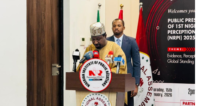
The assembly’s purpose is to harmonise, synergise and synthesise strategies to deal with the menace of stolen assets, with Hassan Mohammed, chairman of the local organising committee and director of special services at the Independent Corrupt Practices and Other Related Offences Commission (ICPC), noting that stolen assets were often moved across national borders, making cooperation between countries necessary to trace and recover them. The meeting will bring together anti-corruption agencies and other institutions involved in asset recovery to share experiences and develop common strategies for tackling cross-border financial crimes.
The United Nations Conference on Trade and Development has estimated that Africa loses about $88.6 billion annually to illicit financial flows, a figure that includes trade misinvoicing, transfer pricing abuse, laundering of corruption proceeds and unrecorded capital flight, with the continent confronting a record of repatriation that has often fallen short of promises. The Abuja programme’s vocabulary of harmonise, synergise, synthesise points to three practical workstreams: common standards for financial investigations, beneficial ownership registries and digital forensics; coordinated litigation and negotiated returns; and a unified African position in negotiations with destination countries.
The challenge now is to ensure that the assembly produces an institutional mechanism with money and staff, sets target timelines for named cases, and commits members to beneficial ownership transparency and the automatic exchange of financial intelligence among themselves, with the test of the Abuja meeting being whether 54 governments are prepared to pursue the money together. The outcome of the assembly will likely shape the direction of asset recovery efforts across Africa, with the initiative’s success depending on the ability of participating countries to translate continental commitments into measurable action.
Africa Presents is a Pan-African digital magazine and monthly publication covering politics, business, economy, culture, tech, and the stories shaping Africa and its diaspora. Visit africapresents.com and follow @AfricaPresents for daily coverage and monthly themed magazine editions.





Leave a comment