

Nigeria’s aviation market has climbed to fourth place in Africa by passenger volume, with more than 18.8 million domestic and international passengers recorded in 2025, the Federal Airports Authority of Nigeria (FAAN) has announced.
Onabanjo-Kuku said passenger traffic rose 11.9 per cent year-on-year in 2025, underscoring the sector’s rapid recovery and growth after years of pandemic-related disruption and operational challenges. She noted that Nigeria, with a population of over 220 million, now handles approximately 19.5 million passengers annually across its 28 airports.
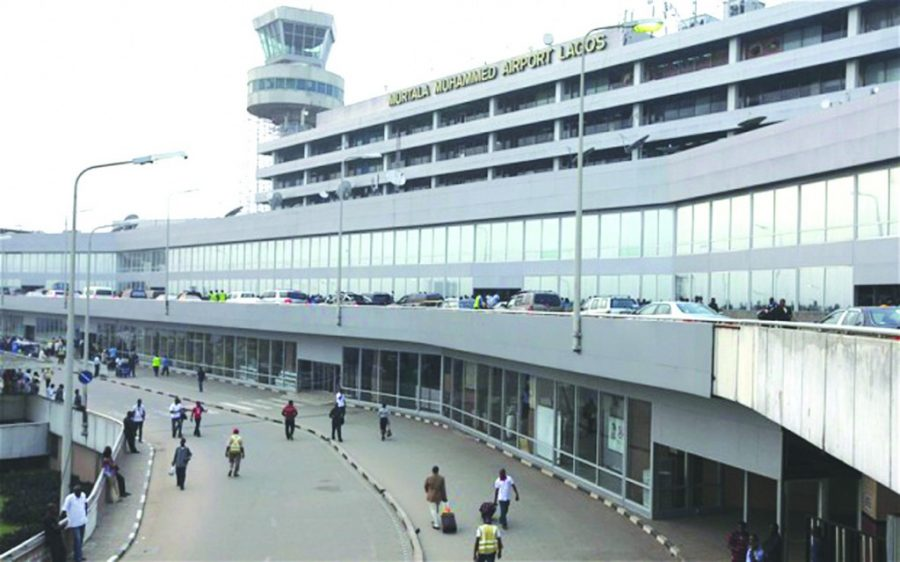
The growth is being driven largely by Lagos, Africa’s most populous city and Nigeria’s commercial hub. FAAN said Murtala Muhammed International Airport (MMIA) in Lagos recorded the fastest growth in scheduled seat capacity among Africa’s 10 largest airports in September 2026, with a 24.1 per cent increase compared with the same period in 2025.
Data from aviation analytics firm OAG shows Nigeria’s total scheduled airline capacity for September 2026 reached 1.19 million seats, a 37.4 per cent jump from September 2025. That makes Nigeria the fastest-growing aviation market among Africa’s top 10 countries, expanding at roughly four times the continental average.
Only Egypt added more seats in absolute terms during the month (364,800, taking its total to 3.08 million), but Nigeria’s 322,800-seat increase was the second-highest among the leading African markets. Growth rates in other major markets were more modest: Egypt at 13.4 per cent, Ghana at 12.9 per cent and Tanzania at 11.7 per cent.
FAAN linked the performance to ongoing infrastructure upgrades and policy reforms. The authority highlighted rehabilitation and modernisation works at key terminals, including the oldest terminal at MMIA, as part of efforts to improve passenger experience and operational efficiency.
The growth also comes as Nigeria positions itself to benefit from the African Continental Free Trade Area (AfCFTA) and the Single African Air Transport Market (SAATM), which aim to liberalise air services and boost intra-African travel and trade. FAAN officials say these frameworks, combined with rising domestic demand and expanding carrier networks, are creating a more favourable environment for airlines and airports.
Despite the strong performance, FAAN stressed that Nigeria’s aviation penetration remains low relative to its population. With about 19.5 million passengers a year across 28 airports, the average Nigerian still flies infrequently compared with peers in more mature markets. This gap, officials argue, represents significant untapped potential for domestic and regional connectivity, tourism, cargo and ancillary services.
As Abuja hosts the 35th ACI Africa Annual General Assembly and related meetings in September 2026, Nigeria’s emergence as the continent’s fourth-largest aviation market reinforces its ambition to become a regional aviation hub—if infrastructure, safety oversight and service quality continue to improve in tandem with demand.
Africa Presents is a Pan-African digital magazine and monthly publication covering politics, business, economy, culture, tech, and the stories shaping Africa and its diaspora. Visit africapresents.com and follow @AfricaPresents for daily coverage and monthly themed magazine editions.







Leave a comment