

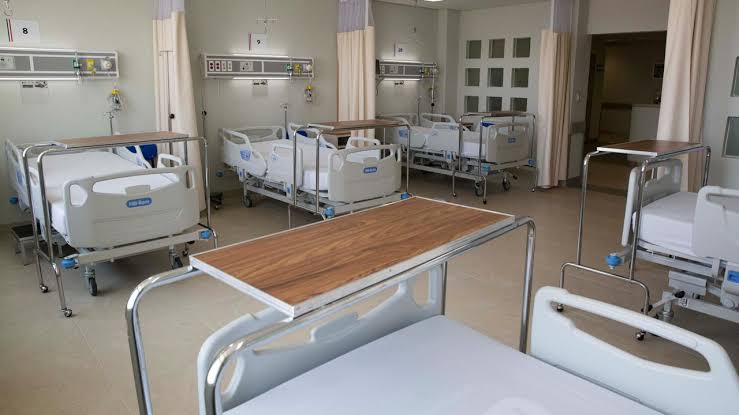
Every year, an estimated $7 billion leaves Africa as patients travel abroad for medical treatment they cannot access, or do not trust, at home. More than 300,000 Africans travel to India alone annually for care. Others fly to Turkey, the UAE, the United Kingdom, and the United States for cancer treatment, cardiac surgery, organ transplants, and kidney disease management. Africa is losing an estimated $7 billion every year as more than half a million patients travel abroad for medical treatment, draining scarce foreign exchange from the continent and exposing deep gaps in healthcare systems. That money does not return. It builds hospitals, trains specialists, and funds research in other countries, while the health systems it left behind grow weaker for its absence.
Nigeria alone loses an estimated $1.1 billion annually to medical tourism, while the entire African continent collectively forfeits approximately $7 billion yearly. More than 300,000 Africans travel to India each year for treatment due to limited specialist services, inconsistent quality standards, and the perception that better healthcare is available overseas.
Why Africans Leave
The reasons are structural, not sentimental. Patients routinely fly to countries such as India, Turkey, the UAE, the UK, and the US for treatment ranging from cancer care to heart surgery. The reasons are often similar: limited access to advanced diagnostic equipment, shortages of specialised doctors, and weak health insurance systems that leave patients uncertain about the quality of care at home.
Oncology, orthopaedics, nephrology, and cardiology are the primary drivers. Forty per cent of Nigerians travelling abroad do so for cancer-related treatments. The problem extends beyond wealthy patients. Many middle-class families also travel abroad after raising funds or selling property to pay for treatment.
The talent drain compounds the financial one. The exodus of patients is closely linked to the shortage of medical specialists and the continued migration of healthcare professionals. “We are witnessing a total healthcare drain,” said Khurram Jamal, Chief Operating Officer of Aga Khan University Hospital, Nairobi. “Doctors are leaving because they are underpaid and do not have the environment they need to practise.”
What Is Being Done
The conversation has shifted from diagnosis to response. The Aga Khan University Hospital, Nairobi has called for an African-led transformation of the continent’s healthcare systems, warning that the exodus of patients and healthcare spending is undermining Africa’s capacity to build world-class health systems.
Afreximbank has launched several initiatives to support healthcare development in Africa, including its Health and Medical Tourism Programme, established in 2012, which aims to curb the financial drain caused by medical tourism and direct resources toward strengthening local healthcare systems.
In Nigeria, the government has established the National Tertiary Health Institution Standards Committee to rate hospitals by care quality, helping citizens make informed decisions and improving healthcare standards. The Nigerian Medical Association has framed the reversal of medical tourism as a national priority, holding dedicated expos under the theme “Reversing Medical Tourism: Africans Investing in Africa.”
Kenya is positioning itself as a regional healthcare destination. Aga Khan University Hospital, Nairobi is aiming to attract more African patients and reduce the billions lost to overseas treatment, arguing that the continent’s healthcare crisis is driven less by a shortage of hospitals than by years of underinvestment in the people who deliver care.
What It Will Take
The investment case is straightforward. Every dollar retained in African healthcare systems is a dollar that trains local specialists, funds research, upgrades diagnostic equipment, and reduces the pressure on the next patient to book a flight abroad. Investment in faculty development and modern training would enable doctors to compete globally while remaining locally relevant.
The $7 billion annual outflow is not merely a healthcare problem. It is a development problem, a foreign exchange problem, and a confidence problem. Solving it requires all three to be addressed simultaneously, with the political will and private capital to match. The continent has both the talent and the infrastructure to begin. What it has lacked is the sustained investment to make African hospitals the first choice, not the last resort.
Africa Presents is a Pan-African digital magazine and monthly publication covering politics, business, economy, culture, tech, and the stories shaping Africa and its diaspora. Visit africapresents.com and follow @AfricaPresents for daily coverage and monthly themed magazine editions.






Leave a comment