

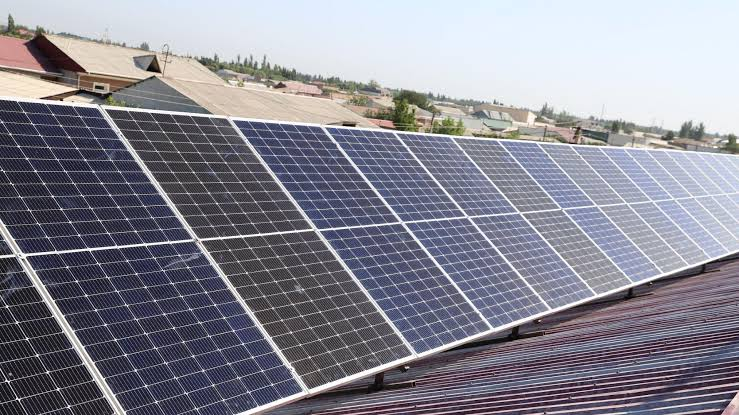
African governments are developing policies to manage waste from solar panels, batteries and other clean tech equipment as installations surge, with officials warning the energy transition could create a new environmental problem unless it is accompanied by investment in recycling and reuse.
Many African households and businesses are increasingly turning away from unreliable grid power or deciding not to wait for access, and are installing more solar panels and battery storage. Data from energy think-tank Ember projects that the continent will install a record 17 gigawatts (GW) of solar capacity in 2026, equal to around 100,000 solar panels every day, marking the third consecutive year of record growth.
When not properly disposed of or handled during recycling, discarded solar panels and batteries can release hazardous substances into the environment, contaminating soil and water and exposing waste workers and nearby communities to toxic materials. Namibia’s deputy minister of environment, Anselm Marungu, believes rules should be put in place to ensure valuable materials such as glass, aluminium, copper, cobalt, lithium and nickel can be recovered from discarded equipment at the end of their useful life.
The International Energy Agency estimates that recycling could reduce growth in new mining needs by 40 per cent for copper and cobalt, and by 25 per cent for lithium and nickel by 2050, reducing the social and environmental impacts of conventional extraction. Marungu argued that the success of these technologies depends not just on how quickly they are installed, but also on whether materials are sourced responsibly, equipment maintained and components recovered to create economic opportunities across their entire life-cycle.
Extended Producer Responsibility Gains GroundNigeria, Africa’s second-largest importer of solar technologies, has drafted a national policy on waste management for off-grid renewable energy equipment, now awaiting cabinet approval. Once approved, the policy will require producers, distributors and importers of renewable energy technologies to take responsibility for products from the beginning to their end of life, under an Extended Producer Responsibility (EPR) model.
Kenya introduced similar rules in 2024, requiring producers and importers of electrical and electronic equipment and batteries to arrange for or finance the collection, recycling and safe disposal of discarded products. Last week, ECOWAS energy ministers adopted a regional framework on battery energy storage systems, with requirements for safe management, dismantling, reuse, recycling and disposal of batteries.
Namibia is preparing investment opportunities for waste buy-back centres and innovation hubs, with pilot projects already incentivising recycling and the country’s Sixth National Development Plan including plans for modern recycling infrastructure to create green jobs. Policies alone, however, cannot guarantee success, with the British High Commission’s Diana Dalton calling for collaboration to strengthen regional value chains and promote a more integrated approach to recycling renewable energy equipment through the African Continental Free Trade Area.
The challenge now is to build the infrastructure, skills and cross-border coordination needed to turn Africa’s solar boom into a circular economy that protects the environment while creating economic opportunities.
Africa Presents is a Pan-African digital magazine and monthly publication covering politics, business, economy, culture, tech, and the stories shaping Africa and its diaspora. Visit africapresents.com and follow @AfricaPresents for daily coverage and monthly themed magazine editions.







Leave a comment