

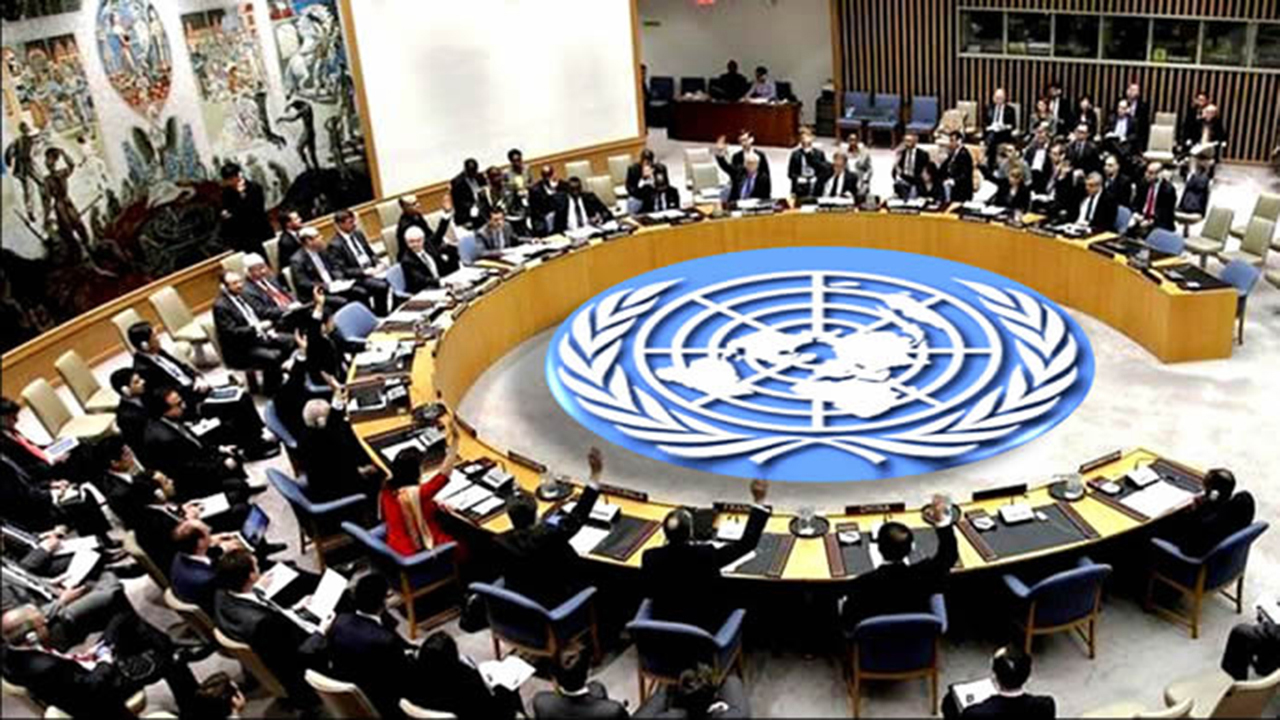
Nigeria’s renewed campaign for a permanent seat on a reformed UN Security Council is running into a more immediate hurdle than persuading the world’s major powers: building enough support within Africa for Abuja to occupy one of the permanent seats the continent is demanding.As Vice-President Kashim Shettima leads Nigeria’s delegation to the 81st UN General Assembly in New York, the country is again arguing that Africa deserves at least two permanent seats with full privileges, including veto rights if the veto is retained, plus additional non-permanent seats. But the African Union’s common position leaves the selection of which countries will hold those seats to the continent itself, setting up a complex intra-African contest.
Analysts say Nigeria is effectively conducting two negotiations simultaneously. It must convince the permanent members and other major powers that Africa deserves a stronger voice on the Security Council, while also persuading African governments that Nigeria should be one of the countries exercising that voice.
Under the Ezulwini Consensus and subsequent AU declarations, the continent is seeking no fewer than two permanent seats and five non-permanent seats on a reformed Council. The AU envisages selecting its own representatives for submission to the General Assembly, rather than having individual countries lobby separately. That framework strengthens Africa’s collective bargaining position but also means Abuja must win regional backing, not just global sympathy.
Nigeria’s main competitors for any future African permanent seats include Egypt, South Africa and, to a lesser extent, Ethiopia and Kenya. These countries point to their own diplomatic weight, economic size, peacekeeping contributions and regional leadership as grounds for representation.
Katchy Ononuju, a public affairs analyst and director of the Heritage Centre in Abuja, said Nigeria faces stiff competition from states such as South Africa and Egypt, which are unlikely to “easily yield ground” to Abuja. All three have long argued they are natural candidates for permanent African representation, based on population, economic output, military capability and contributions to UN peacekeeping.
Nigeria’s argument rests on several pillars: it is Africa’s most populous country, with over 220 million people; it has one of the continent’s largest economies; and it has a long record of participation in peacekeeping and mediation efforts across Africa. Nigerian officials contend that any credible reform of the Security Council that claims to correct historical imbalances must include a country of Nigeria’s demographic and strategic weight.
At previous UNGA sessions, Vice-President Shettima has described Nigeria as a “natural candidate” for one of the proposed African permanent seats, citing the country’s population, diplomatic influence and role in promoting peace and stability. Nigeria formally intensified its campaign during the 80th UNGA in 2025, when Shettima declared Abuja’s intention to seek one of the African seats.
There is a risk that disagreement over which African countries should hold permanent seats could weaken the broader continental push for reform. Editorials and analysts warn that while disputes over specific candidates are inevitable, they should not undermine the core principle that Africa deserves permanent representation.
The AU’s preferred model is for the Union itself to select representatives according to criteria agreed by member states, then present those names to the General Assembly. This approach is meant to prevent a free-for-all among African capitals and to ensure that any eventual seats are seen as belonging to Africa as a whole, not just to individual countries.
At UNGA 81, Nigeria is expected to reiterate its support for comprehensive Security Council reform and permanent African representation, while quietly lobbying fellow African states behind the scenes. How effectively Abuja can align its national ambition with the AU’s collective position—and how other leading African capitals respond—will shape the continent’s internal dynamics on UNSC reform long before any final decision is taken in New York.
Africa Presents is a Pan-African digital magazine and monthly publication covering politics, business, economy, culture, tech, and the stories shaping Africa and its diaspora. Visit africapresents.com and follow @AfricaPresents for daily coverage and monthly themed magazine editions.






Leave a comment