

Experts and development leaders are calling on African governments to bridge the widening gap between policy commitments and real-life outcomes, warning that without stronger implementation, even the best-designed strategies will fail to improve people’s everyday experiences.
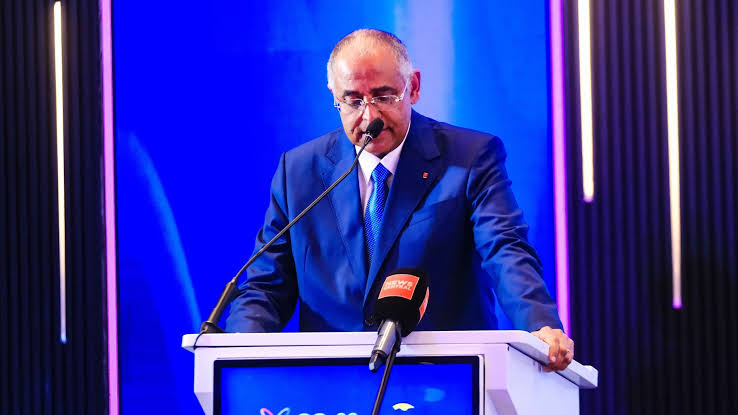
The appeal was made in Abuja on Tuesday, 8th of September 2026, at the 2026 Gender and Inclusion Summit (GS-26), where speakers stressed that interventions in health, education and economic inclusion must translate into tangible improvements for citizens. Participants argued that Africa’s biggest challenge is no longer a lack of ideas, but the failure to make existing commitments and frameworks deliver results.
Udeme Ufot, chairman of the Centre for Policy Innovation, described the “last mile” not only as a geographical distance but as the gap between policy and people’s everyday experiences. Olaniyi Yusuf, chairman of the Nigerian Economic Summit Group, urged governments, development partners, businesses, civil society and communities to move from discussing initiatives to implementing them.
Similar concerns were raised across other forums in recent weeks. The African Capacity Building Foundation said many African countries have sound policies and ambitious public financial management reforms but continue to struggle with implementation because of leadership gaps, institutional fragmentation and resistance to change. ACBF Executive Secretary Mamadou Biteye said technical expertise alone was not enough to deliver sustainable reforms; leadership capacity in the public sector must be strengthened if governments are to translate policy into better services and lasting institutional change.the-star.
The implementation deficit is also holding back regional integration and progress on the Sustainable Development Goals. A new World Bank report, Integrating Africa: From Threads to Hubs, argues that the continent’s next major integration gains will come from making African markets work together, but only if regional agreements are implemented and enforced. It calls for progress to be measured through outcomes that tangibly benefit people and firms: shorter border-crossing times, lower logistics costs, more reliable regional infrastructure and more firms participating in regional value chains.
The 2026 Africa Sustainable Development Report, presented in New York in August, delivered a similar message. Deputy UN Secretary-General Amina Mohammed said what stands between the plans and the people is fragmented implementation, limited financing and constrained institutional capacity. The report’s central message is that Africa must move from commitments to measurable implementation, with faster action, increased financing, stronger institutions and sustained political leadership.
The policy-to-implementation gap is also evident in the women, peace and security agenda. At a high-level ministerial seminar in Addis Ababa on the 8th of September, AU officials noted that, as with other AU normative and policy commitments, one of the major challenges to the WPS agenda is translating institutional advancements into operational outcomes, such as the representation and participation of women across all peace processes. A research report reviewing 15 years of implementation pointed out that significant gaps persist between commitments and practice.
Africa Presents is a Pan-African digital magazine and monthly publication covering politics, business, economy, culture, tech, and the stories shaping Africa and its diaspora. Visit africapresents.com and follow @AfricaPresents for daily coverage and monthly themed magazine editions.






Leave a comment