

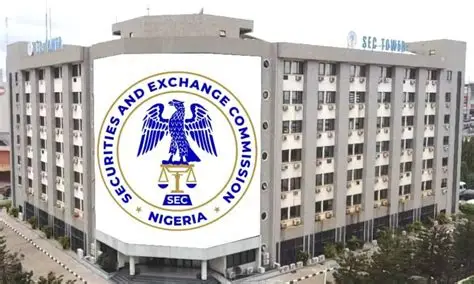
Nigeria’s Securities and Exchange Commission (SEC) has signed a Memorandum of Understanding with Rwanda’s Capital Markets Authority, aimed at deepening cooperation and accelerating the integration of African capital markets. The agreement, signed in Abuja, provides a framework for collaboration in investor education, regulatory development, market supervision, enforcement, technical assistance and capacity building.
Speaking at the signing ceremony, SEC Director-General Dr. Emomotimi Agama stressed the need for greater collaboration among African markets: “We need to cooperate in Africa, invest in each other’s markets and grow our continent. In doing so, we will build collaboration so that, as Africans, we can have a common focus and build a strong interconnection. The time is now for us to look inwards.”
What the Partnership Entails
Agama added that the parties intend to “actively collaborate to harmonise regulations, promote cross-border listings and enhance investor protection across the continent,” noting that both sides recognise the importance of cooperation in fostering confidence, innovation, market development and sound practices.
He said the partnership would support the growth of both markets and improve the welfare of citizens, framing the capital market as “a viable platform for raising funds for infrastructure development” and “a solution provider for driving economic growth and development.”
Nigeria operates one of Africa’s largest and most sophisticated capital markets, while Rwanda has made steady progress in expanding its relatively young market as part of broader reforms aimed at attracting investment and accelerating economic growth. CMA Rwanda CEO Romeo Ngaranbe said Rwanda was eager to learn from Nigeria’s experience in capital market development.
Part of a Wider Integration Push
The partnership comes as African countries intensify efforts to deepen economic integration and develop domestic capital markets capable of financing infrastructure, industrialisation, and other long-term development priorities. It follows a string of similar continental finance initiatives in 2026, including the AfCFTA Secretariat’s partnership with Ecobank Group to expand trade finance access for SMEs, and Rwanda’s active role advancing AfCFTA implementation through its trade ministry.
“On our part, we have a strong capital market structure and we want to explore the role the capital market can play in advancing Africa’s development,” Agama said. The Nigeria-Rwanda agreement adds financial market regulation to the growing list of sectors, from trade finance to digital payments, where African institutions are choosing to build interconnection with each other rather than depend solely on external partners.
Africa Presents is a Pan-African digital magazine and monthly publication covering politics, business, economy, culture, tech, and the stories shaping Africa and its diaspora. Visit africapresents.com and follow @AfricaPresents for daily coverage and monthly themed magazine editions.





Leave a comment