

Africa’s ability to use artificial intelligence, precision medicine and other advances in cancer treatment will depend on building reliable health data systems and developing the expertise to manage them, a health informatics expert has said.
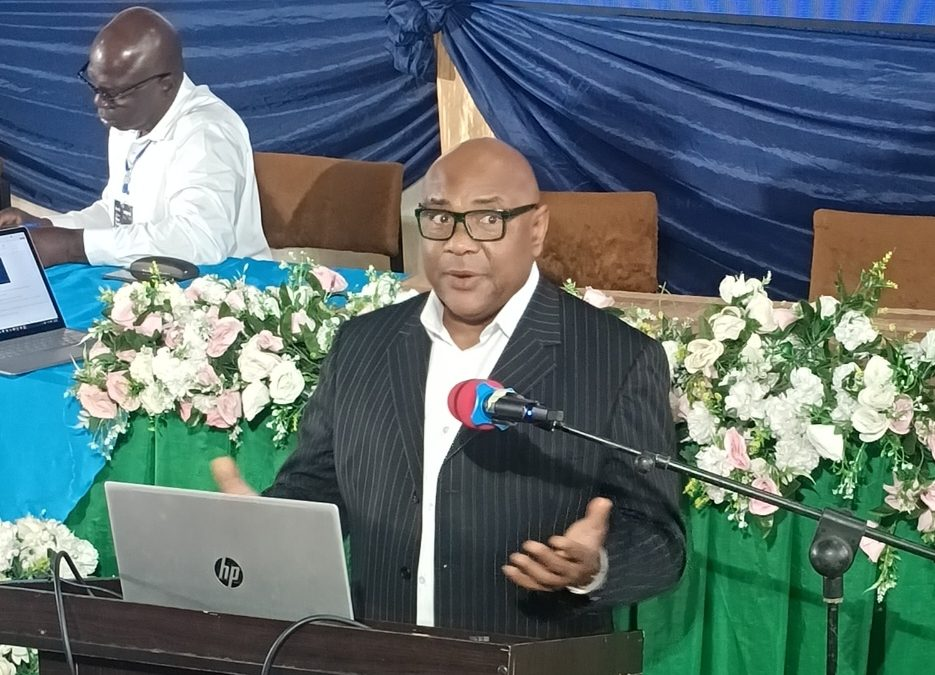
Clinical Informaticist at Memorial Sloan Kettering Cancer Centre, New York, Dr Chamberlain Nwanne, made the case during a plenary presentation at the 2026 African Research Group for Oncology (ARGO) Symposium at Obafemi Awolowo University, Ile-Ife, Osun State. He said accurate patient records, diagnostic information, laboratory results and treatment outcomes are essential for precision cancer treatment and effective research.
Nwanne argued that AI, precision medicine and immunotherapy cannot deliver reliable results without well-organised, high-quality data. “Before research can generate new knowledge, before AI can help us make a prediction, and before precision medicine can help us select a treatment, we first need to have reliable data,” he said.
He used an ongoing colorectal cancer immunotherapy clinical trial initiative in Nigeria as an example, explaining that identifying eligible patients, confirming diagnoses, documenting biomarker results and monitoring treatment outcomes all depend on reliable, connected information.
Africa’s cancer surveillance relies heavily on cancer registries, often in the absence of cause-of-death statistics. In many settings, registry and screening data remain underused for public health decision-making because of limited analytical capacity and fragmented data systems.
Nwanne acknowledged challenges including inadequate infrastructure, limited resources and fragmented information systems. But he said Africa has an opportunity to develop digital health systems suited to its unique healthcare needs, rather than simply copying models from elsewhere.
Experts have warned that AI trained on non-African data may produce inaccurate diagnosis and treatment recommendations, given the continent’s underrepresentation in global health datasets. Building African-led data systems and research capacity is therefore seen as essential to ensuring that new technologies work for African patients.
Nwanne said the next frontier of cancer care in Africa will depend on the ability of African institutions to generate, connect and learn from high-quality African cancer data. He stressed that the task is not simply to adopt AI or precision oncology, but to build the data infrastructure, processes and workforce that allow those technologies to work effectively within African cancer-care systems.
Reliable cancer data systems can help governments understand who is getting cancer, who is dying and where to direct prevention and treatment resources. Population-based cancer registries, in particular, provide the evidence needed to plan screening, treatment and prevention strategies.
For African countries, the priority is to strengthen registries, improve connectivity and invest in health informatics skills. If these foundations are built, AI and precision medicine could become powerful tools in the continent’s cancer response; without them, even the most advanced technologies may fall short.
Africa Presents is a Pan-African digital magazine and monthly publication covering politics, business, economy, culture, tech, and the stories shaping Africa and its diaspora. Visit africapresents.com and follow @AfricaPresents for daily coverage and monthly themed magazine editions.







Leave a comment