

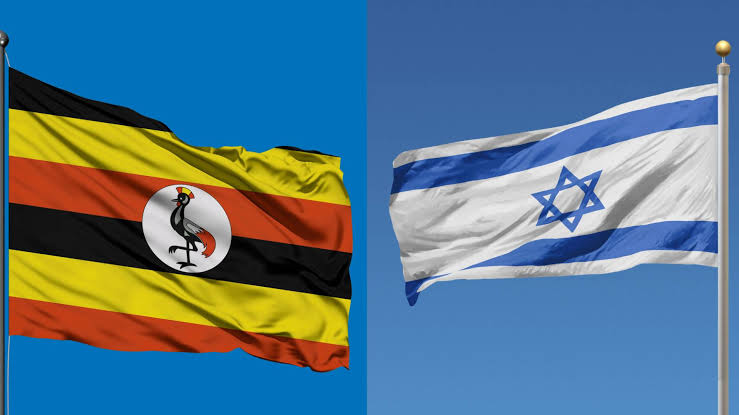
Uganda’s reported participation in a proposed Gaza stabilisation force has sparked debate across Africa, with questions surrounding the mission’s mandate, neutrality and potential impact on the region.
Supporters of the proposal argue that African countries could contribute valuable peacekeeping experience to efforts aimed at restoring security, protecting civilians and supporting humanitarian operations in Gaza.
Uganda has a long history of involvement in regional peace and security missions. Its military has participated in operations in several African countries, giving it experience in working within complex and volatile environments.
However, critics fear that joining a Gaza stabilisation force could expose Uganda to significant political and security risks. They are demanding clarity on whether the mission would be authorised by the United Nations, who would control it and what rules would govern the deployment.
The debate has also raised concerns about the meaning of “stabilisation”. African observers want to know whether the force would focus strictly on civilian protection and humanitarian assistance or assume responsibilities that could place it in direct confrontation with armed groups.
Uganda’s possible involvement comes as African governments continue to call for an end to the war in Gaza, increased humanitarian access and a political settlement that respects Palestinian rights. Some observers believe African participation could strengthen the continent’s voice in international diplomacy.
Others argue that African states should prioritise the continent’s own peace and security challenges. They question whether deploying troops outside Africa could divert resources from conflicts and humanitarian emergencies closer to home.
The issue has therefore become part of a wider conversation about Africa’s role in global security. While African countries increasingly seek a stronger voice in international affairs, any overseas deployment must be guided by clear legal authority, parliamentary oversight and public accountability.
For Uganda, the decision could have important diplomatic consequences. Participation might deepen its international security partnerships, but it could also generate domestic criticism and strain relations with countries that oppose the proposed mission.
As discussions continue, African policymakers are likely to demand greater transparency before any commitment is made. The central question is whether a stabilisation force can genuinely protect civilians and support peace—or become another source of conflict and controversy.
Africa Presents is a Pan-African digital magazine and monthly publication covering politics, business, economy, culture, tech, and the stories shaping Africa and its diaspora. Visit africapresents.com and follow @AfricaPresents for daily coverage and monthly themed magazine editions.







Leave a comment