

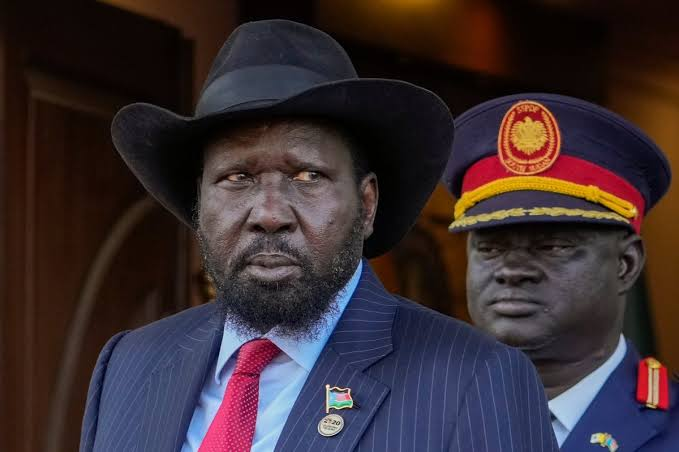
South Sudan’s President Salva Kiir has dissolved the country’s transitional unity government and appointed a caretaker administration, a move that clears the way for the long-delayed December 22nd elections but has intensified controversy over the fairness and credibility of the vote.In a decree read on state television on the 22nd of September, Kiir announced the removal of all vice-presidents, ministers and local administrators, and the dissolution of the national and state assemblies. The judiciary and security institutions remain in place, while Kiir will stay in office “during the election period until the next elected president assumes office.”
The dissolution came hours after Kiir signed amendments to the National Elections Act that removed two major preconditions for holding elections: the adoption of a permanent constitution and the completion of a national census. The changes mean the December 22 poll can proceed despite these processes remaining unfinished, breaking with earlier commitments under the 2018 peace agreement that ended a five-year civil war.
Under the revised law, Kiir is also authorised to remain in office with full constitutional powers throughout the electoral period and to dissolve the transitional government, paving the way for a caretaker arrangement to oversee the vote.
The decree establishes a caretaker administration to run government functions until after the election. Analysts say the move effectively concentrates power in Kiir’s hands at a critical moment, with all five vice-presidents removed and executive authority centralised in the presidency during the campaign and polling period.
The National Elections Commission has scheduled general elections for the 22nd of December, 2026, which would be South Sudan’s first national vote since independence in 2011. The elections have already been postponed twice, and many preconditions set out in the 2018 Revitalized Peace Agreement—including security sector reform, demilitarisation of political spaces and full implementation of power-sharing arrangements—remain only partially addressed.
Rights organisations and opposition figures have raised alarms about the political environment ahead of the poll. Amnesty International warned that authorities must protect civic space, freedom of expression and assembly, and the safety of activists and journalists in the run-up to the election, noting a pattern of arrests, intimidation and restrictions on dissent.
Critics argue that holding elections without a permanent constitution, credible census data and a fully implemented peace framework risks entrenching existing power structures rather than delivering a genuine democratic transition. Supporters of the government, however, say the vote is necessary to end the prolonged transitional period and move toward elected legitimacy.
With the transitional government dissolved, the focus now shifts to the operational readiness of the electoral commission, voter registration, security arrangements and the conduct of campaigns in a highly polarised environment. How these processes unfold—and whether key stakeholders accept the outcome—will determine whether the December poll becomes a milestone in South Sudan’s democratic journey or a new source of instability.
Africa Presents is a Pan-African digital magazine and monthly publication covering politics, business, economy, culture, tech, and the stories shaping Africa and its diaspora. Visit africapresents.com and follow @AfricaPresents for daily coverage and monthly themed magazine editions.






Leave a comment