

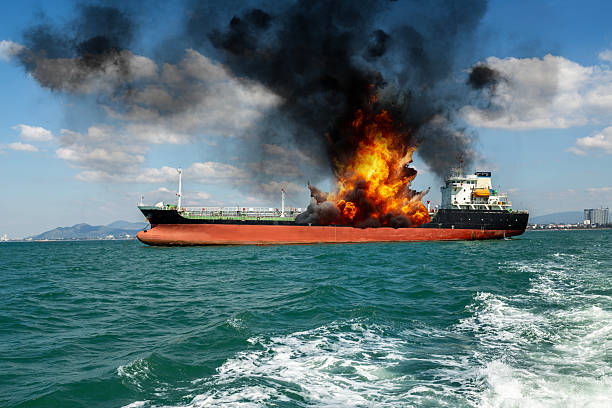
Since the 28th of February, 2026, the United States and Israel have been at war with Iran, following airstrikes that killed Supreme Leader Ali Khamenei. Iran responded by blocking the Strait of Hormuz, triggering the largest oil supply disruption in history. The conflict is being fought in the Middle East. Its consequences are being felt across Africa.
The Energy and Food Shock
Oil price spikes, shipping disruptions, and supply chain breakdowns are feeding directly into fiscal strain and rising food insecurity across the continent, especially in import-dependent economies like Egypt and Tunisia. Fertiliser inputs linked to Gulf supply chains have become scarce and expensive, with yield reductions of 20 to 30 per cent plausible in parts of the Sahel if shortages persist. The UN has warned that millions of families in sub-Saharan Africa could be priced out of staple foods.
Energy exporters Algeria and Libya are benefiting from short-term windfalls, with Algeria gaining new leverage in negotiations with European buyers as Gulf exports become unreliable. The risk, analysts warn, is that these windfalls entrench structural imbalances rather than enable reform.
The Security Vacuum
As Washington redirects attention and resources toward the Middle East, African governments fear reduced diplomatic engagement and security assistance. The Sahel is most exposed, where Russia and Turkiye are already positioned to expand their roles through military cooperation, arms transfers, and drone technology. The result may not be less foreign involvement in African security affairs, but more competition among outside powers for influence.
Sudan has become a focal point for regional power competition shaped by Red Sea rivalries, while a broader militarisation of the Horn risks deepening the subregion’s entanglement in the dynamics of the conflict.
Africa’s Strategic Opening
For several African nations, the conflict is accelerating conversations about reducing external dependency. Morocco has positioned itself as a green energy hub, with an $18 billion solar, wind, and green hydrogen agreement signed in early 2026. The DRC’s cobalt and coltan reserves are rising in strategic value as global supply chains face disruption, though that same value risks intensifying conflict over control of those resources.
The conflict is both a warning and an opening. A continent dependent on external partners for energy, food, and security will always absorb shocks others create. The crisis is forcing a conversation, long overdue, about what African self-reliance actually requires.
Africa Presents is a Pan-African digital magazine and monthly publication covering politics, business, economy, culture, tech, and the stories shaping Africa and its diaspora. Visit africapresents.com and follow @AfricaPresents for daily coverage and monthly themed magazine editions.





Leave a comment