

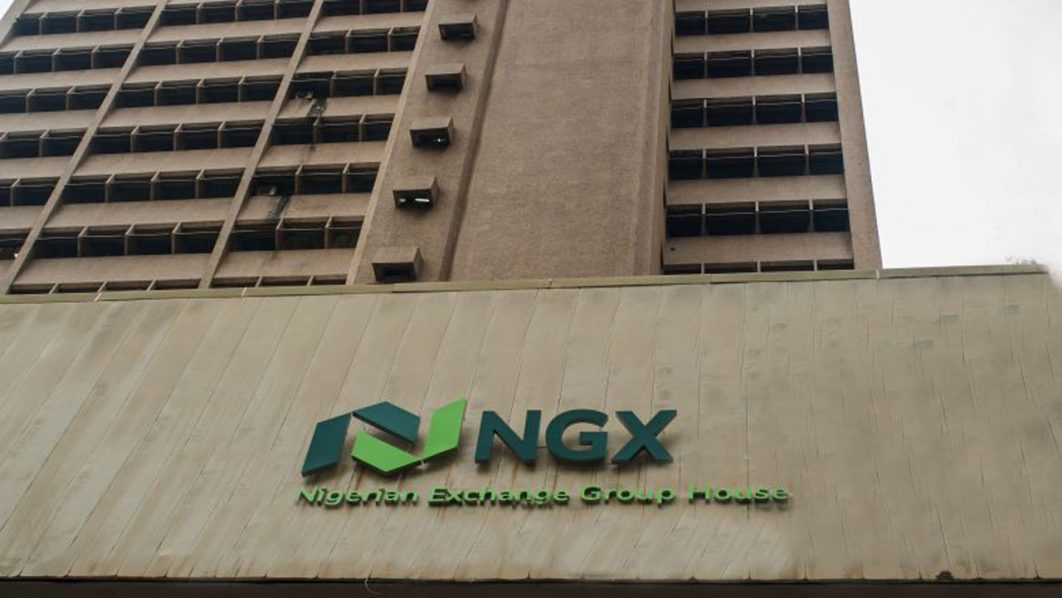
The Nigerian Exchange Group (NGX) has warned that weak data governance and unreliable digital systems could make it harder for African businesses to attract investment and increase the risks investors attach to funding them.Group Managing Director of NGX, Temi Popoola, made the remarks while delivering a keynote address on “Africa Capital Markets in a Data-driven Economy” at the seventh CIO and C-Suite Conference and Awards Africa 2026 in Lagos. He described the financial disadvantage associated with weak information and governance as a “trust discount,” noting that investors can demand greater assurances or factor perceived risks into their funding decisions.
He cautioned that the consequences of unreliable systems extend beyond IT failures, potentially delaying transactions, weakening liquidity and undermining investor confidence. NGX Invest was cited as an example of how reliable digital infrastructure can widen access to capital markets.
On data localisation, Popoola said keeping data within national borders does not automatically guarantee security, warning that overly restrictive policies could increase costs, limit access to advanced services and complicate cross-border business. “Domestic coverage alone does not guarantee security. A locally hosted system can still fail,” said Jumoke Olaniyan, Group Chief Strategy Officer, NGX Group, who represented Popoola.
Olaniyan stressed that the difference is not technology but trust, and trust has a price, arguing that effective data governance is essential to investor confidence and economic growth. She called for secure, interoperable digital systems that enable African businesses to operate across markets while complying with different national regulations, with trusted identities, reliable data and regulatory cooperation needed to make regional capital markets more accessible to investors.
The warning comes as research from Boston Consulting Group highlights that the lack of clear data governance in Africa leads to data access defaulting to maximum restriction, limiting system usability and constraining economic potential. The World Bank estimates that improving access to administrative data can reduce the cost of doing business in developing economies by as much as 25 per cent.
For African firms, the message is clear: data governance is no longer just a compliance question but an investment question, with weak frameworks costing the continent billions in lost investment, jobs and competitiveness. The challenge now is to build the legal certainty, institutional capacity and cross-border cooperation needed to turn data into an economic asset.
Africa Presents is a Pan-African digital magazine and monthly publication covering politics, business, economy, culture, tech, and the stories shaping Africa and its diaspora. Visit africapresents.com and follow @AfricaPresents for daily coverage and monthly themed magazine editions.







Leave a comment