

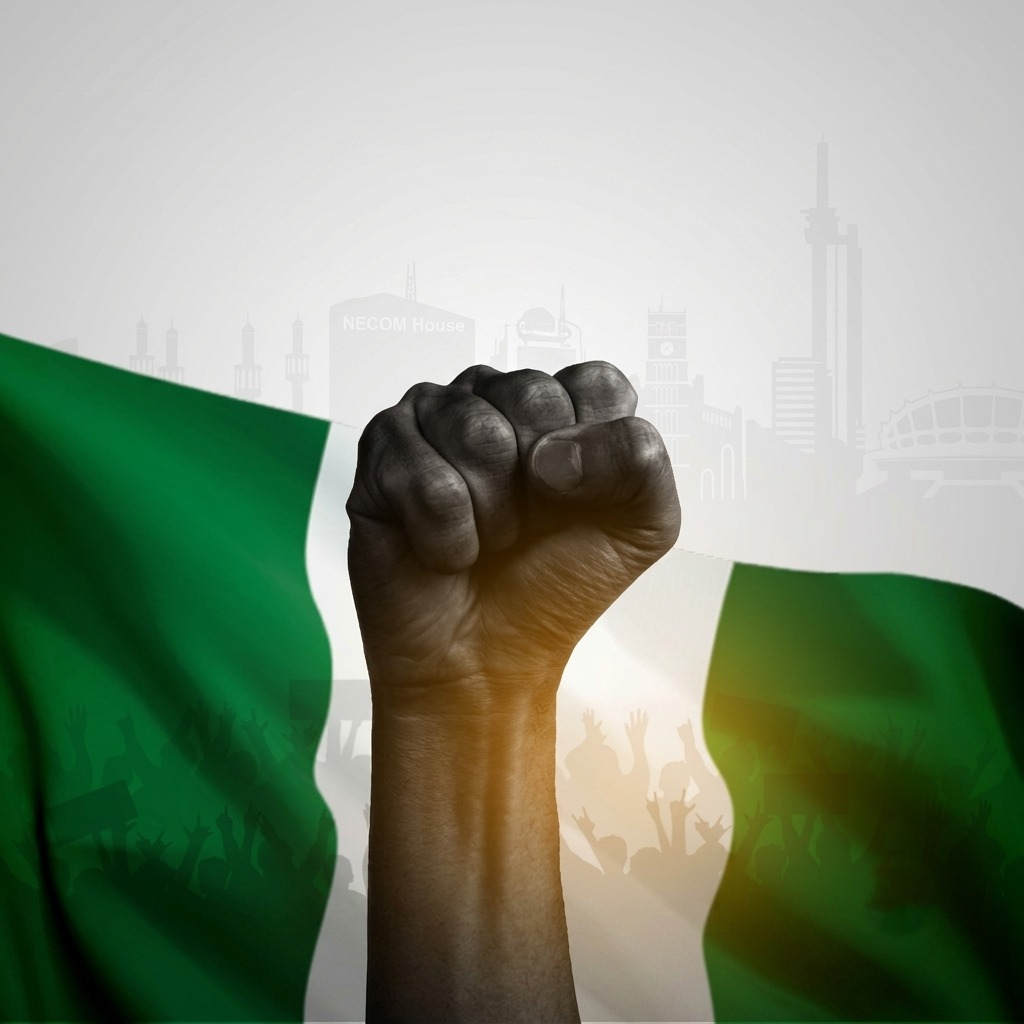
On June 12th 1993, Nigerians went to the polls in what remains the freest, fairest, and most peaceful presidential election in the country’s history. Chief Moshood Kashimawo Olawale Abiola won decisively and the military annulled the result. And a date was born into Nigerian consciousness that no amount of official erasure could diminish.
Today, 33 years after that election and 27 years after Nigeria’s return to civilian governance in 1999, the country marks its eighth consecutive Democracy Day on June 12th. It is a day that carries the full weight of Nigeria’s democratic story: the courage of those who fought for it, the cost paid by those who lost everything defending it, and the work that remains unfinished.
How June 12th Became Democracy Day
For years, democracy was celebrated on May 29th, the date of the handover to civilian rule in 1999, that changed in 2018, when President Muhammadu Buhari formally declared June 12th as Democracy Day, acknowledging that the real story of Nigerian democracy did not begin with a handover ceremony, but with 14 million Nigerians who overcame ethnic, class, and religious differences to vote for a shared future. The National Assembly gave the declaration legislative backing in 2019, institutionalising June 12th as the nation’s official day of democratic remembrance.
27 Years: What Has Been Built
Nigeria has successfully conducted eight consecutive general elections and witnessed peaceful transfers of power across political parties and regions, including a historic transition from a ruling party to the opposition in 2015. Under democratic governance, the country has recorded economic expansion, improved financial inclusion, and investments in critical infrastructure, alongside expanded access to education and healthcare.
President Tinubu, speaking in a nationwide broadcast, declared that Nigeria’s democratic journey must now translate into economic prosperity. “The struggle that culminated in the restoration of civilian governance secured political freedom,” he said. “The current generation must focus on achieving economic freedom and shared prosperity.”
The State of Democracy Across Africa
Nigeria’s democratic struggles are not unique. Across the continent, the picture in 2026 is one of progress shadowed by persistent fragility. Since 2020, coups have toppled governments in Mali, Burkina Faso, Guinea, Niger, Gabon, and Sudan, concentrated largely in the Sahel, where democracy’s failure to deliver security and economic progress opened the door to military alternatives. The warning is clear: democracy
Yet the continent also carries evidence of what is possible. Ghana has held successive elections widely regarded as models of democratic process. Botswana has maintained multi-decade institutional stability. Zambia’s 2021 election produced a peaceful and credible transfer of power. South Africa, despite deep governance challenges, has maintained a functioning constitutional democracy for three decades. And Senegal’s 2024 election, in which a sitting president accepted a constitutional court ruling against his attempt to extend his term, was one of the most important democratic moments on the continent in recent years.
The lesson Africa’s democratic nations are learning, sometimes painfully, is that elections alone are not enough. Democracy must be felt in lower food prices, in functioning hospitals, in children who can afford school, and in leaders who can be held to account. That is the standard. That is the unfinished work.
The Reason for Hope
Nigeria has not had a coup since 1999. That is 27 years of civilian rule in a country that spent much of its first four decades under military control. Every election held, however imperfectly, is a renewal of the democratic covenant. Every peaceful transition is proof that the institutions, however stressed, are holding.
June 12th represents a powerful statement about what Nigeria once achieved, what it lost, and what it can still become. Twenty-seven years of democracy is not a destination. It is a foundation. And foundations, however imperfect, can hold the weight of something far greater than what has been built on them so far.
Nigeria, and Africa, are still building. The best chapters of this story have not yet been written.
And from us here at Africa Presents,





Leave a comment