

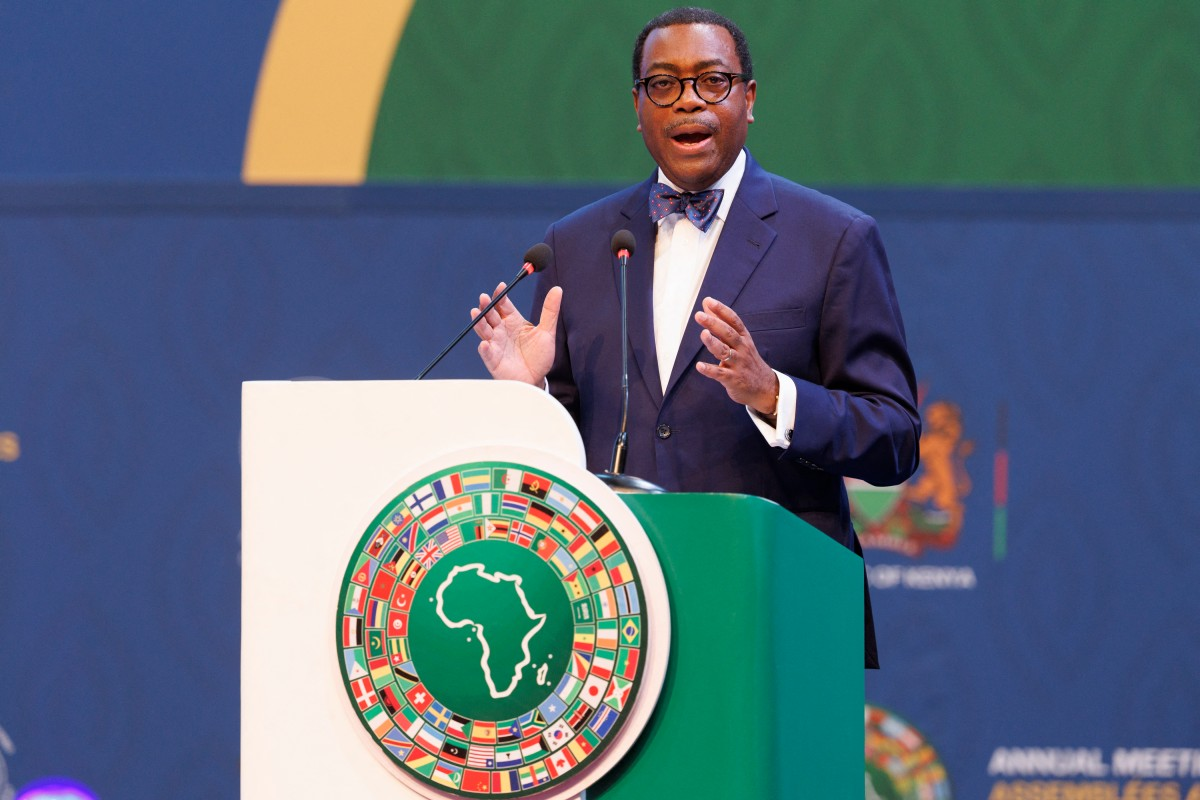
Former African Development Bank Group President Akinwumi Adesina has urged African countries to convert their natural resources, youthful population and expanding markets into productive capacity, competitive industries and broad-based prosperity.
Speaking at the BPI Iconic Awards in Johannesburg, Adesina said Africa must move beyond exporting raw materials and adopting technologies developed elsewhere. The continent should process and refine its resources locally, expand manufacturing and invest in research, innovation and home-grown technology, he argued.
Adesina said Africa’s place in the global economy will depend on how much value it creates from its own resources. Rather than remain a supplier of unprocessed commodities, he urged countries to build industries that carry resources further along the value chain—from extraction to processing, refining and manufacturing.
That shift, he said, would help retain more economic value within the continent, create jobs and strengthen Africa’s ability to compete internationally. It would also require stronger links between countries’ resources, energy supplies, processing facilities and manufacturing capabilities.
Adesina also called on African countries to develop their own technologies instead of relying mainly on imported innovations. He said investment in human capital, advanced computing and research would be essential if African businesses are to create solutions and industries that can compete globally.
His argument reflects a wider concern that adopting foreign technology without building local expertise can leave African economies dependent on external suppliers. Developing home-grown capabilities, he said, would help countries capture more value from their resources and expand their economic options.
In his keynote address, titled “Africa’s Next Leap: Visionary and Ethical Leadership for an Integrated and Prosperous Africa in the Global Economy,” Adesina said the continent has the people, resources and markets to become a much stronger force in the global economy. But realising that potential will require visionary leadership, economic integration and deliberate investment in productive capacity.
Closer integration could help businesses operate across borders, connect markets and achieve the scale needed to attract investment. Adesina’s message was that Africa’s challenge is not simply resource scarcity: it is building the capacity to transform those resources into higher-value products, jobs and prosperity.
Adesina’s remarks put productivity at the centre of Africa’s development debate. Increasing output and value creation will depend on moving from raw-material exports to local processing and manufacturing, while investing in skills, research and technology.
The task for governments and businesses is to turn that agenda into sustained investment and practical projects. If African countries can build stronger industries and retain more value from their resources, the continent will be better placed to create jobs and compete in global markets.
Africa Presents is a Pan-African digital magazine and monthly publication covering politics, business, economy, culture, tech, and the stories shaping Africa and its diaspora. Visit africapresents.com and follow @AfricaPresents for daily coverage and monthly themed magazine editions.







Leave a comment