

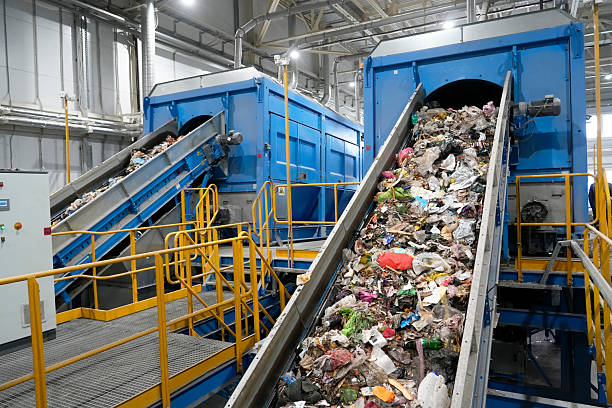
African businesses are increasingly driving the continent’s green economy, turning waste into products, deploying off-grid solar, restoring degraded land and creating jobs across renewable energy, agriculture and circular economy sectors.
From Ghana’s Envirotech Bamboo, which grows native bamboo and transforms it into bicycle frames, to Kenya’s Ecorich Solutions, which converts organic waste into fertiliser within 24 hours, entrepreneurs are proving that green business models can be both profitable and environmentally restorative. The 2026 FNF Afri GreenPitch Challenge attracted around 310 entries from six countries, with 18 finalists spanning circular economy, renewable energy, sustainable agriculture, mobility, water and wastewater.
Renewable energy, electric mobility, circular economy solutions and climate-smart agriculture are now among the fastest-growing sectors in Africa, supported by strong policy incentives and increasing investment flows. The Global Energy Alliance for People and Planet has mobilised over $1 billion to advance clean energy solutions, investing over $440 million in projects that have connected 1.2 million people to new or improved energy systems across nine countries and supported over 600,000 new jobs and livelihoods.
In Nigeria, the Energy Transition Plan aims for 30,000 megawatts of clean generation capacity and five million new jobs in renewable energy value chains by 2030. Across the continent, green technology opportunities are expanding in solar and wind jobs, mini-grids, solar-home systems, clean-cooking services and battery-based solutions, offering work in installation, maintenance, sales, finance and customer service.
African entrepreneurs are also building businesses around waste and sustainable agriculture, with companies like Inuka SARL in Rwanda transforming waste into fertiliser, briquettes and ecological paving stones while restoring degraded land. In Tanzania, Plant Natural Feed Limited converts waste biomass into activated biochar fertilisers, while Seta Farm Limited transforms agricultural waste into mushrooms and farmer income.
The private sector, particularly micro, small and medium-sized enterprises, is seen as critical to driving the green transition, with Mozambique’s Confederation of Economic Associations highlighting the need for innovative financing mechanisms, technical assistance programmes and blended finance solutions to turn green opportunities into bankable projects. For Africa, the transition to greener economies can stimulate innovation, strengthen domestic value addition, attract investment, create decent jobs and enhance competitiveness.
Access to finance remains one of the most critical challenges for green businesses, particularly for early- and growth-stage enterprises which face a significant funding gap despite rising global climate finance. Cameroon is targeting 120,000 green jobs by 2029 through a $35 million training initiative spanning solar energy, plastic waste recycling, organic farming, ecotourism and green digital technologies, while South Africa’s Just Energy Transition Skilling for Employment Programme aims to enable 100,000 green jobs by 2030.
The consensus across the continent is clear: the success of Africa’s green transition will depend not only on investment and regulation but also on whether households and vulnerable communities can participate in, and benefit from, the changes taking place. The challenge now is to ensure green businesses can move beyond local markets and scale regionally, turning Africa’s green potential into a foundation for inclusive growth.
Africa Presents is a Pan-African digital magazine and monthly publication covering politics, business, economy, culture, tech, and the stories shaping Africa and its diaspora. Visit africapresents.com and follow @AfricaPresents for daily coverage and monthly themed magazine editions.







Leave a comment