

United Nations and African officials have called for robust investment in data and statistical systems across Africa to help governments make informed decisions, anticipate emerging needs and spur development.
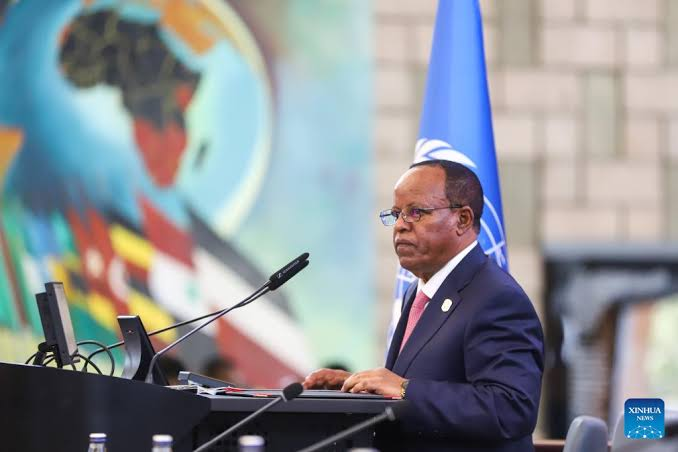
The call came during the joint session of the Statistical Commission for Africa and the Regional Committee of United Nations Global Geospatial Information Management for Africa, held in Addis Ababa, Ethiopia, under the theme “Unleashing the value of data in Africa: making official statistics a true mirror of the continent.” Claver Gatete, UN under-secretary-general and executive secretary of the UN Economic Commission for Africa, emphasised the need for African governments to modernise and adequately finance foundational data and statistical systems.
Gatete stressed that reliable data and statistics are essential for effective public policy, investment decisions and national development. He called on African countries to modernise their statistical systems, ensure sufficient and predictable funding, and better integrate statistical and geospatial data to address economic and social priorities.
The message was echoed by Rwanda’s Minister of Finance and Economic Planning, Yusuf Murangwa, who stressed the need to invest sustainably in statistical systems to enable governments to make evidence-based decisions. He warned that decisions made without quality data come at a high cost, calling for strong political commitment and sufficient resource allocation to statistical development.
The call for investment in data systems is part of a broader push for Africa to assert greater control over its data and digital infrastructure. At a high-level roundtable during the 58th session of the UN Economic Commission for Africa Conference of Ministers in Tangiers, Morocco, policymakers and technology leaders signalled a decisive shift in Africa’s digital ambitions, from being consumers of technology to becoming architects of their own digital infrastructure and data ecosystems.
Participants called for the development of “AI factories” — facilities capable of storing and processing large volumes of data locally — to support AI development and ensure that the economic value derived from data remains within Africa. However, such investments require reliable and affordable energy, as well as long-term financing, two persistent challenges across the continent.
For African governments, the message is clear: data is not just a technical tool but a foundation for sovereignty and development. The challenge now is to build the data systems, technical capacity and political will to turn Africa’s data into a driver of sustainable development.
The joint session in Addis Ababa reflects a growing recognition that reliable statistics and geospatial data are essential for tracking progress, targeting interventions and holding institutions accountable. The challenge is to move from recognition to investment, ensuring that African countries have the systems they need to make evidence-based decisions.
Africa Presents is a Pan-African digital magazine and monthly publication covering politics, business, economy, culture, tech, and the stories shaping Africa and its diaspora. Visit africapresents.com and follow @AfricaPresents for daily coverage and monthly themed magazine editions.







Leave a comment