

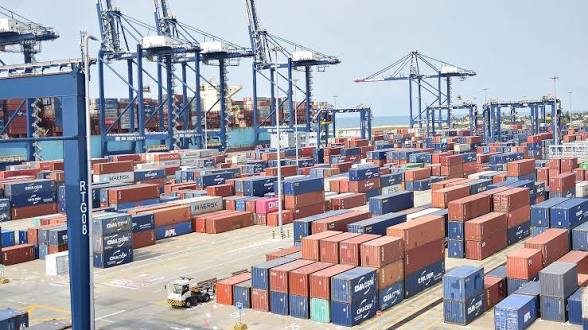
Nigeria and other African countries have been urged to address persistent risks in their maritime sectors if they hope to attract the investment needed to unlock the continent’s blue economy.
Industry experts say Africa’s ports, shipping routes and inland waterways offer enormous opportunities for trade, job creation and economic diversification. However, weak infrastructure, regulatory uncertainty, insecurity and inadequate funding continue to discourage investors.
Nigeria is regarded as one of the continent’s strongest maritime markets, with a long coastline, major seaports and extensive inland waterways. Yet stakeholders warn that the country could lose its regional trade advantage if it fails to invest in deep-sea ports, modern cargo facilities and efficient transport links.
The country’s maritime sector also faces challenges linked to piracy, armed robbery, smuggling and illegal fishing. These threats increase insurance costs, disrupt shipping operations and make it more expensive for companies to move goods through Nigerian waters.
Regulatory uncertainty is another concern. Investors often have to deal with overlapping agencies, changing policies, customs delays and unclear concession arrangements. Such difficulties can slow projects, raise operating costs and weaken confidence in long-term investments.
Despite these obstacles, Nigeria’s blue economy has significant potential. Recent estimates place the country’s untapped blue-economy value at about $296 billion, supported by its coastline, navigable waterways and position as a major West African trading hub.
Experts say governments must create clearer rules, improve port security and invest in roads, railways and inland connections. They also recommend stronger partnerships between the public and private sectors, transparent concession agreements and improved support for local shipping companies.
The warning extends beyond Nigeria. Across Africa, countries are competing to attract shipping lines, logistics companies and infrastructure financiers. Those that offer reliable ports, predictable regulations and secure maritime routes are more likely to benefit from the expansion of global trade.
For African governments, the challenge is to ensure that maritime investment produces broad economic benefits rather than isolated infrastructure projects. With better planning and accountability, the sector could become a major engine of growth. Without urgent reforms, however, Africa risks watching its maritime opportunities pass to better-prepared competitors.
Africa Presents is a Pan-African digital magazine and monthly publication covering politics, business, economy, culture, tech, and the stories shaping Africa and its diaspora. Visit africapresents.com and follow @AfricaPresents for daily coverage and monthly themed magazine editions.







Leave a comment