

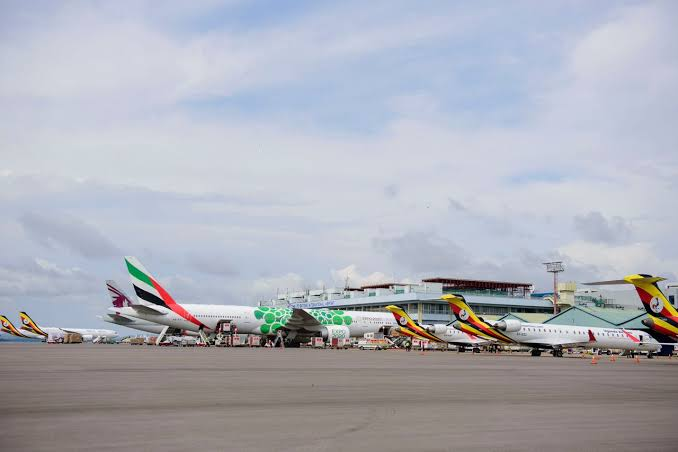
Africa’s ambition to integrate its economies through air transport is being undermined by some of the world’s highest flying costs and persistent safety and regulatory gaps, industry leaders and officials warn.
Despite representing 18% of the global population, Africa accounts for just 2% of world air traffic, according to an Atlantic Council report released in August 2026. The study describes the continent as the most expensive, least connected and most underserved aviation market, with high fares and poor connectivity limiting trade, tourism and labour mobility.
RwandAir CEO Yvonne Manzi Makolo says African airlines face fuel prices that are 20–40% higher than in other regions, while airport taxes, ground-handling charges and overflight fees add further pressure. Taxes, fees and charges now make up 35–40% of ticket prices in Africa, compared with about 20% globally.
Regulatory fragmentation compounds the problem. More than 70% of Africa’s air service agreements remain restrictive, limiting frequencies, aircraft types and routes, while many still block fifth-freedom rights that would allow airlines to build efficient regional networks. Only 19% of intra-African city pairs are served by direct flights, and as of March 2026, an estimated $774 million in airline revenues remained trapped in African markets due to currency controls and repatriation restrictions.
In West and Central Africa, passengers face 66 different charges and airlines 112 distinct levies, according to industry studies, inflating fares and discouraging regional travel.
Safety oversight remains uneven across the continent. Kenya’s Prime Cabinet Secretary Musalia Mudavadi, speaking in Nairobi on the 9th of September 2026, called for harmonised regulations, mutual recognition of standards and strengthened safety oversight as part of efforts to implement the Single African Air Transport Market (SAATM). He said many journeys between neighbouring African countries still require transit outside the continent, increasing travel time, raising costs and constraining economic integration.
The Atlantic Council report links weak safety harmonisation to higher insurance premiums and operational risks for airlines operating across multiple borders, further pushing up costs. Conflict-driven airspace closures across the Sahel, including a roughly 4,000 km no-fly corridor spanning Niger, Mali, Sudan and Libya, are forcing costly reroutings that add fuel burn and operating costs to already thin margins.
Makolo has called for a “coalition of the willing” to move beyond commitments and implement Africa’s open skies agenda through clear, measurable actions. AFRAA, the African airlines’ body, is urging governments to cut taxes and charges, unblock trapped funds and unlock financing as carriers face record demand but record costs.
For African leaders, the message is stark: without decisive action on costs, safety and regulatory harmonisation, SAATM and broader integration goals will remain more promise than reality, with air travel continuing to serve a small elite rather than the continent’s 1.4 billion people.
Africa Presents is a Pan-African digital magazine and monthly publication covering politics, business, economy, culture, tech, and the stories shaping Africa and its diaspora. Visit africapresents.com and follow @AfricaPresents for daily coverage and monthly themed magazine editions.






Leave a comment