

The International Court of Justice (ICJ) ruled in favour of Equatorial Guinea in its long-standing territorial dispute with Gabon, officially recognising Malabo’s sovereignty over the islands of Mbanié, Cocotiers, and Conga in the Gulf of Guinea in a judgment delivered on the 19th of May, 2025, bringing to a close one of Central Africa’s oldest border conflicts.
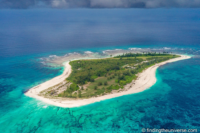
This dispute dates back to 1900, when colonial powers France and Spain signed a treaty in Paris setting out the borders between the two countries. The two nations have been squabbling over the 30-hectare island of Mbanie and two smaller low-lying islets, Cocotier and Conga, since the early 1970s. The islands themselves are tiny and virtually uninhabited, but lie in an area potentially rich in oil and gas.
The ICJ officially recognised Malabo’s sovereignty over the three islands, bringing to a close one of Central Africa’s oldest border conflicts, which was brought before the UN court in 2016 after both countries agreed to a peaceful resolution mechanism to avoid escalating tensions. While the sovereignty of the three islands now legally belongs to Equatorial Guinea, the ICJ emphasised that maritime boundaries between the two nations remain to be determined in a separate process.
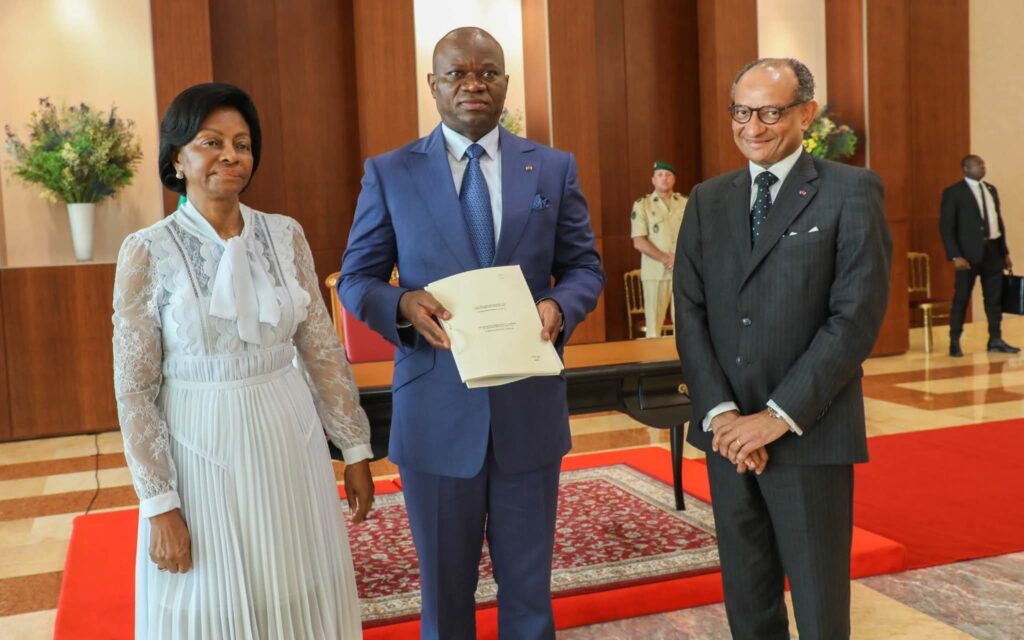
In Libreville, President Brice Clotaire Oligui Nguema acknowledged the ruling, reaffirming Gabon’s commitment to the peaceful settlement of disputes and expressing readiness to engage in “constructive discussions” with Equatorial Guinea, in the spirit of good neighbourliness and regional stability.
The Chairperson of the AU Commission, Mahmoud Ali Youssouf, facilitated a meeting between President Teodoro Obiang Nguema of Equatorial Guinea and President Brice Oligui Nguema of Gabon in February 2026, in the presence of representatives of Angola, Burundi, and the United Nations, aimed at advancing implementation of the ICJ ruling. Both countries agreed to work with the AU toward a peaceful, brotherly resolution.
The sovereignty question has been settled by the world’s highest court. What remains is the practical implementation: Gabon’s withdrawal of its military presence from the islands, the determination of the maritime boundary in a separate ICJ process, and the building of the bilateral economic relationship that both countries have signalled they want.
The three islands are small. The oil and gas beneath their surrounding waters is not. The manner in which Equatorial Guinea and Gabon manage that resource endowment, now that the legal question of ownership has been resolved, will determine whether a dispute that endured for more than 50 years becomes the foundation of a productive bilateral partnership or the source of a new set of frictions.
The early signals, from Gabon’s gracious acknowledgment of the ruling to the AU-brokered presidential meeting, suggest both governments understand what is at stake and are prepared to pursue the diplomatic path. In a region where border disputes have too often ended badly, that is itself a significant achievement.
Africa Presents is a Pan-African digital magazine and monthly publication covering politics, business, economy, culture, tech, and the stories shaping Africa and its diaspora. Visit africapresents.com and follow @AfricaPresents for daily coverage and monthly themed magazine editions.





Leave a comment