

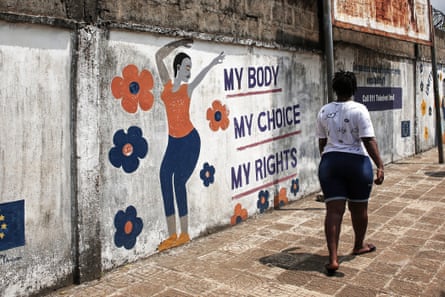
A coalition of conservative groups has drafted a proposed African Charter on Family, Sovereignty, and Values, which its critics say undermines gender equality by rejecting universal definitions of gender, sexuality, and sexual and reproductive health rights. The draft was tabled at an inter-parliamentary conference in Entebbe, Uganda, in 2025, and calls for African states to withdraw from international human rights instruments and shield themselves from obligations under the Maputo Protocol, the African Union’s legally binding women’s rights treaty adopted in 2003.
The Maputo Protocol guarantees women extensive rights, including participation in political processes, social and political equality with men, greater autonomy in reproductive health decisions, and an end to harmful traditional practices such as female genital mutilation. It is considered one of the most progressive human rights instruments in the world.
Two Visions, One Continent
Supporters of the proposed Family Charter frame their effort around sovereignty, tradition, and the protection of family structures they argue are under threat from external cultural influence. According to Sibongile Ndashe, Executive Director of the Initiative for Strategic Litigation in Africa, the draft Charter “prioritises family welfare, family cohesion and family authority above individual consideration” and introduces a “family impact lens” requiring laws and policies to be evaluated according to their effect on family stability. Ndashe and other critics argue this approach becomes dangerous when families themselves are sites of violence, coercion, or unequal power, since the draft provides no safeguards ensuring family cohesion cannot override individual rights.
Rights advocates describe the push as part of a broader, coordinated pattern. Equality Now has characterised reform on family law as increasingly obstructed by what it calls a coordinated anti-rights movement, including transnational conservative Christian organisations, populist political actors, conservative foundations, and legal advocacy groups, which it says have found fertile ground in Africa by forging alliances with conservative organisations, religious leaders, and politicians, often operating in the language of culture, tradition, and sovereignty. The group also points to applications for observer status at the African Commission on Human and Peoples’ Rights from organisations such as Alliance Defending Freedom as a sign of intent to influence the bodies meant to hold states accountable on equality.
The Reservations Already on the Books
The tension is not entirely new; it has, in some form, existed since the Protocol’s adoption, expressed through formal legal reservations several states have already lodged. The International Commission of Jurists has called for Algeria, Cameroon, Kenya, and Uganda to withdraw their reservations to Article 14 of the Maputo Protocol, which guarantees women’s right to health, including sexual and reproductive health, and obliges states to authorise medical abortion in limited circumstances such as rape, incest, or danger to the life of the mother. “Reservations that restrict women’s access to sexual and reproductive health services, including safe abortion, strike at the heart of the Maputo Protocol,” said Kaajal Ramjathan-Keogh, Director of the ICJ’s Africa Programme.
The ICJ notes that Algeria’s broad reservation effectively excludes it from obligations relating to women’s health and reproductive rights, while Kenya’s reservation to a related provision is, in the ICJ’s view, undermined by Kenya’s own Constitution and case law, which already recognise reproductive rights.
What Is at Stake on the Ground
Inter Press Service has documented the practical consequences of gaps in family law enforcement: a young woman in Kampala whose unregistered marriage means she does not legally exist as a wife; a woman in Lagos who lost custody of her children after a divorce she did not want, with the law backing her husband; and a Muslim widow in Nairobi unable to inherit the home she shared with her husband for thirty years because property passes to his male relatives under customary rules.
One of the patterns rights groups flag most often is the speed at which restrictive “family protection” legislation tends to move through parliaments compared to the slower pace of equality-focused reforms.
A UN Voice Joins the Debate
Dr Tlaleng Mofokeng, the UN Special Rapporteur on the Right to Health, has been among the most prominent international voices weighing in, describing the draft Charter as “yet another assault on sexual and reproductive health rights and justice, as well as bodily autonomy and human rights in general,” and urging African governments to “disengage with this draft Charter and instead honour and deliver on the promises they have made on gender equality.”
Where This Leaves the Maputo Protocol
Civil society groups have called on the African Union to advocate for universal ratification and implementation of the Maputo Protocol as a floor rather than a ceiling, push for the lifting of existing reservations, and resist attempts to weaken its provisions through model reservations crafted by what they describe as anti-rights legal networks.
The debate now playing out, between a treaty built on individual rights and a draft charter built on family sovereignty, reflects a tension that is not unique to Africa but is being contested here with particular intensity. Both sides claim to be defending something fundamental: one, the legal protections women have spent over two decades building; the other, a vision of family and cultural autonomy they argue deserves equal protection from outside interference. How African governments and the AU itself navigate that tension in the coming year will determine whether the Maputo Protocol’s next two decades look like its first.
Africa Presents is a Pan-African digital magazine and monthly publication covering politics, business, economy, culture, tech, and the stories shaping Africa and its diaspora. Visit africapresents.com and follow @AfricaPresents for daily coverage and monthly themed magazine editions.






Leave a comment