
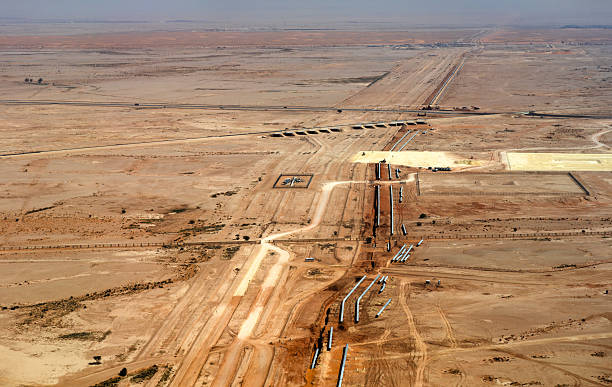
The United Nations has thrown its weight behind the Nigeria-Morocco Atlantic Gas Pipeline, describing the $25 billion project as a key driver of Africa’s energy security and a potential catalyst for industrialisation across the continent.The endorsement came during the “Financing the Future” high-level meeting co-organised by Morocco and the UN Development Programme in New York on the 23rd of September, where Morocco’s Foreign Minister Nasser Bourita cited the pipeline among Morocco-backed initiatives intended to connect African economies and markets. The project is now being positioned as a candidate for private and multilateral development capital as it enters a financing phase.
The pipeline, formerly known as the Nigeria-Morocco Gas Pipeline, would run about 6,800 kilometres through 13 countries from Nigeria along Africa’s Atlantic coast to Morocco, where it would connect with the Maghreb-Europe pipeline and potentially supply European markets. Designed with a total annual capacity of 30 billion cubic metres, the project would serve an estimated 400 million consumers across West Africa.
The pipeline is designed to transport Nigerian natural gas through West Africa toward Morocco and potentially onward to European markets, improving energy access across West Africa, strengthening regional energy security and deepening economic integration. It would also provide an alternative route for exporting Nigerian gas to Europe, bypassing more volatile transit routes.
In July 2026, member states of the Economic Community of West African States signed an intergovernmental agreement in Freetown, Sierra Leone, formally endorsing the project. The ownership of the project by ECOWAS member states strengthens its political and institutional foundation, reinforcing the founding impetus advanced by Nigeria and Morocco.
The endorsement marks a decisive geopolitical turning point, clearing the way for a transformational energy corridor that could reshape West Africa’s energy landscape. The project is seen as a fundamental driver of sovereignty, industrialisation and shared prosperity across the continent.
Nigeria and Morocco are targeting the fourth quarter of 2026 for a bilateral intergovernmental agreement, with a final investment decision also targeted for the same period. The two countries are also planning to create a joint venture to lead execution of the project.
For Africa, the UN’s endorsement signals growing international recognition of the pipeline’s strategic importance. The challenge now is to secure the financing needed to move the project from planning to construction.
Africa Presents is a Pan-African digital magazine and monthly publication covering politics, business, economy, culture, tech, and the stories shaping Africa and its diaspora. Visit africapresents.com and follow @AfricaPresents for daily coverage and monthly themed magazine editions.






Leave a comment