

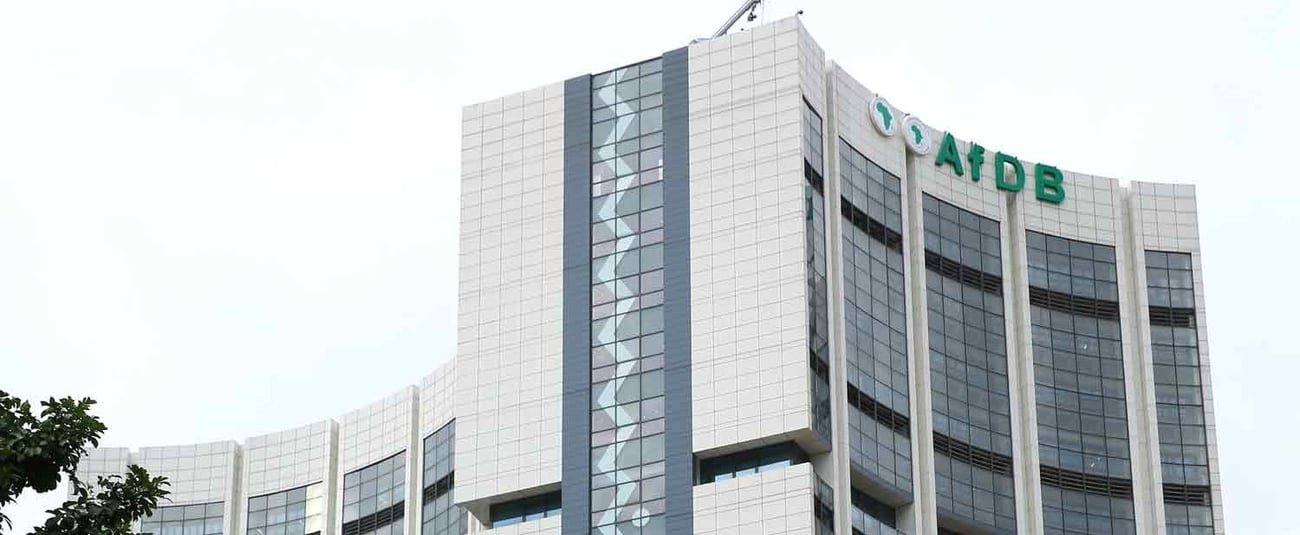
The African Development Bank Group and Rwandan commercial banks have met in Kigali to discuss how to close Africa’s $92 billion trade finance gap, one of the continent’s biggest obstacles to expanding trade, industrialisation and regional economic integration.The trade finance breakfast meeting brought together AfDB officials and Rwandan commercial banks to explore how to expand access to trade finance for African businesses, particularly small and medium-sized enterprises. The discussions come as unmet demand for trade finance in Africa ranged from $74 billion to $92 billion in 2024, according to the Bank’s 2025 Trade Finance Report.
The trade finance gap represents the shortfall between the money needed to support imports and exports and what banks are willing to provide. While the gap fell to an average of about $74 billion between 2021 and 2024, down from more than $92 billion in 2019, geopolitical tensions, foreign currency shortages and supply chain disruptions threaten to reverse a decade of gains.
The AfDB has warned that the gap could rise again to close to $100 billion by 2027 if global conditions worsen, with a moderate shock scenario pushing the gap to about $86.6 billion and a worse case scenario to about $95.6 billion. This would erase nearly a decade of progress in improving Africa’s access to trade finance.
A Focus on SMEs and Regional IntegrationThe AfDB has urged governments, commercial banks and development institutions to expand SME-focused trade finance programmes, accelerate digitalisation, strengthen foreign currency liquidity support and simplify trade procedures. The Bank argues that closing the gap is critical to boosting exports, strengthening regional value chains and fully realising the benefits of the African Continental Free Trade Area (AfCFTA).
The meeting in Kigali reflects a growing recognition that commercial banks must treat SME trade finance as a deliberate core business line rather than a residual activity. The AfDB has also been working to build a more resilient, digital and sustainable trade finance ecosystem that protects SMEs against global shocks while accelerating the continent’s economic integration.
The AfDB has been signing agreements with commercial banks across the continent to expand trade finance capacity, including a partnership with Mauritius Commercial Bank under its Trade Finance Transaction Guarantee Instrument. The Bank has also approved Mashreq as a confirming bank, extending its network of partners able to support trade finance transactions across Africa.
For Rwandan banks and African financial institutions, the discussions offer an opportunity to explore how to expand trade finance capacity and support cross-border commerce. The challenge now is to translate these discussions into concrete partnerships and financing that reach the businesses that need it most.
Africa Presents is a Pan-African digital magazine and monthly publication covering politics, business, economy, culture, tech, and the stories shaping Africa and its diaspora. Visit africapresents.com and follow @AfricaPresents for daily coverage and monthly themed magazine editions.







Leave a comment