

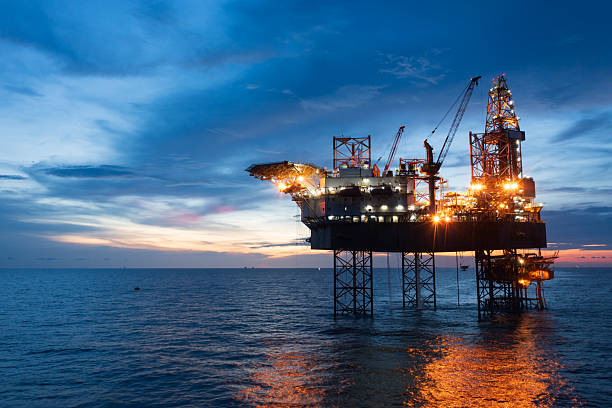
Africa is placing two big, contrasting bets this month: a $5 billion wager on oil through a new continental energy bank, and a $5 billion “shield” to cushion economies from soaring energy, food and fertiliser costs.
The African Petroleum Producers Organisation (APPO) and Afreximbank are moving toward the launch of the Africa Energy Bank, headquartered in Abuja, with an initial capital base of $5 billion. The bank is designed to finance oil and gas projects across the continent, at a time when more than 150 African oil and gas projects are stalled due to weak investment and retreating international financiers.
Backers argue that Africa still needs hydrocarbons to meet growing energy demand, fund development and monetise reserves estimated at up to 125 billion barrels. The Africa Energy Bank aims to raise $10 billion in its first phase and $15 billion by 2030, providing patient capital for exploration, production and midstream infrastructure that traditional lenders are increasingly avoiding.
Critics, however, warn that doubling down on fossil finance risks locking African countries into carbon-intensive pathways just as global markets shift toward renewables and climate finance tightens. The bank’s success will depend on its ability to attract capital without undermining Africa’s access to green investment or climate funds.
At the same time, the African Development Bank (AfDB) has approved a $5 billion-plus Global Energy and Fertiliser Crisis Response Framework to help countries cope with high import bills, fiscal strain and household pressure from elevated energy and food prices.
The framework, endorsed by the AfDB board on the 1st of September 2026, combines $4.1 billion in additional AfDB lending with up to $960 million from the African Development Fund, the bank’s concessional arm. It is intended to run for one year, raising the AfDB’s 2026 lending target to about $12.7 billion.
Support will focus on emergency financing for energy and fertiliser imports, reforms to reduce import dependence, and measures to protect vulnerable households. The bigger test, analysts say, is whether the framework can do more than absorb the immediate shock by reducing the structural vulnerabilities that keep African economies exposed to repeated crises.
Together, the two initiatives capture a central tension in Africa’s development debate: how to balance immediate energy security and revenue needs with long-term climate goals and diversification. The Africa Energy Bank represents a bet that oil and gas remain essential to industrialisation and fiscal stability, while the AfDB’s crisis framework acknowledges how exposed African budgets and households are to global commodity shocks.
How these $5 billion bets play out will shape not only Africa’s energy mix but also its credibility in global climate negotiations, its access to green finance and its ability to deliver affordable, reliable energy to a fast-growing population.
Africa Presents is a Pan-African digital magazine and monthly publication covering politics, business, economy, culture, tech, and the stories shaping Africa and its diaspora. Visit africapresents.com and follow @AfricaPresents for daily coverage and monthly themed magazine editions.






Leave a comment