

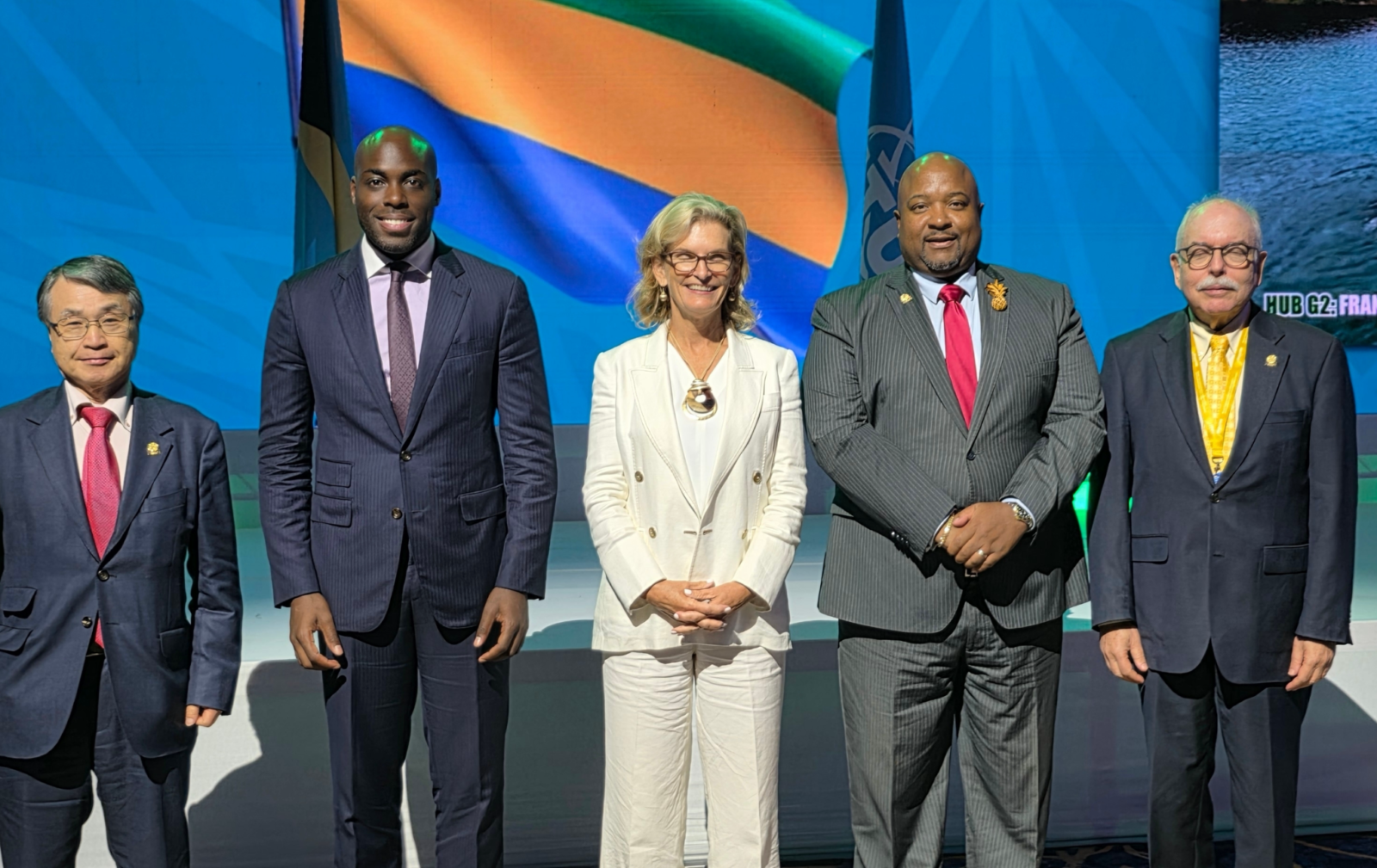
Gabon is positioning itself as a leading voice for African interests in global digital governance as the continent prepares for the International Telecommunication Union’s (ITU) Plenipotentiary Conference (PP-26) in Doha, Qatar, from the 9th to the 27th of November, 2026.
Through its candidacy for a seat on the ITU Council and active participation in regional preparatory meetings, Gabon is pushing for a digital policy agenda that prioritises connectivity, inclusion, innovation and African representation in key decision-making bodies.
Gabon’s push is anchored in its National Digitalisation and Innovation Strategy 2026–2030, which aims to modernise public services, expand digital infrastructure and foster a competitive digital economy. The government has committed about 82 billion CFA francs (roughly $133 million) to digital transformation projects, including the development of Gabix, a national digital platform, and investments in broadband and data centres.
Mark-Alexandre Doumba, Gabon’s Minister of Digital Economy, Digitalisation and Innovation, has framed the country’s international engagement as an extension of this domestic agenda. He has described Gabon’s participation in ITU structures as part of a broader effort to establish the country as a credible voice in global technology policy debates and to ensure that African priorities shape the rules governing connectivity, artificial intelligence, cybersecurity and digital inclusion.
Ahead of PP-26, Gabon and other African states have been coordinating positions through the African Telecommunications Union (ATU) and ITU regional forums. The African agenda centres on closing the digital divide by expanding affordable, reliable internet access, especially in rural and underserved areas, and ensuring that young people, women and marginalised groups can participate in the digital economy through skills development, entrepreneurship support and accessible services.
Gabon is also promoting investment in fibre optics, submarine cables, data centres, cloud services and emerging technologies such as AI and low-earth orbit satellite systems, while pushing for global norms on artificial intelligence, data protection and cyber resilience that reflect African realities and protect digital sovereignty. A further priority is defining the ITU’s role in the Global Digital Compact and the follow-up to the World Summit on the Information Society beyond 2025, so that the Union contributes effectively to broader UN digital governance frameworks.
Gabon’s regulatory authority, ARCEP, has submitted contributions to ITU forums emphasising interoperability, open and competitive markets, and resilient digital ecosystems as essential to sustainable transformation.
Gabon is among 13 African countries nominated for seats in Region D (Africa) on the ITU Council, the Union’s governing body between plenipotentiary conferences. The Council oversees strategic, financial and programme matters, making it a critical arena for influencing the ITU’s direction.
In campaign messaging, Gabon has stressed its ambition to “make Gabon’s voice heard and help shape a digital future that creates greater opportunities for our people and for Africa.” The country presents its candidacy as a way to translate national digital ambitions into influence over global decisions on connectivity, infrastructure, AI, cybersecurity and innovation.
Gabon’s approach reflects a wider African effort to present a united front at PP-26. At preparatory meetings in Abuja and Victoria Falls, African ministers and regulators have worked to align national positions with continental priorities, including the African Union’s digital transformation strategy and the Digital Transformation Strategy for Africa (2020–2030).
Officials from Nigeria’s communications regulator, for example, have called for stronger collaboration among African countries to enhance the continent’s influence in shaping global telecommunications and digital economy policies at PP-26. Similar messages have emerged from other capitals, underscoring the view that Africa’s ability to shape outcomes in Doha depends on coordinated positions and active participation in ITU governance.
For Gabon, success at PP-26 would mean more than a seat on the ITU Council; it would signal the country’s emergence as a digital diplomacy actor capable of bridging national reforms and continental advocacy. For Africa more broadly, a strong, coordinated presence in Doha could help ensure that global digital rules and investments reflect the continent’s connectivity gaps, innovation potential and sovereignty concerns.
As November approaches, Gabon’s blend of domestic investment, regulatory reform and international campaigning offers a model of how mid-sized African states can leverage global forums to advance both national and regional digital agendas.
Africa Presents is a Pan-African digital magazine and monthly publication covering politics, business, economy, culture, tech, and the stories shaping Africa and its diaspora. Visit africapresents.com and follow @AfricaPresents for daily coverage and monthly themed magazine editions.






Leave a comment