

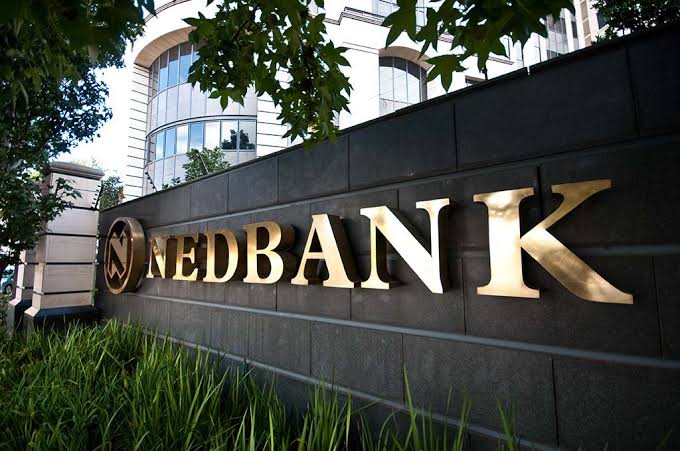
Nedbank is bidding for a 66 percent controlling stake in NCBA Group, valuing the Kenyan lender at about $855 million, in the boldest move yet of what analysts are calling a scramble for Kenya. The deal would hand two of Kenya’s most powerful families, the Kenyattas and the Ndegwas, a windfall of roughly $170 million from selling their NCBA shares, in a mix of cash and Nedbank stock. The tender offer closes on the 10th of July 2026, with results expected on the 21st of July.
Nedbank is not moving alone. Rival Absa has been spending heavily to tighten control of its own Kenyan subsidiary, while other South African financial firms are circling the market. Kenya offers faster growth and a ready regional footprint, drawing Johannesburg lenders whose home market has stagnated. Nigeria’s Zenith Bank has its gaze fixed on East Africa too, in the process of entering through acquisition, after launching its first-ever Francophone venture in Côte d’Ivoire last December. South Africa’s Nedbank and Nigeria’s Zenith have joined the likes of Access Bank, United Bank for Africa, and Guaranty Trust Bank already pursuing pan-African expansion.
Why Everyone Wants In
Kenya is East Africa’s financial hub, home to a deep stock market, a sophisticated banking sector, and the mobile-money revolution that M-Pesa began. Nairobi serves as the regional headquarters for multinationals and lenders alike, with the economy growing at around 5 percent a year, alongside a young population and fast-rising demand for credit and digital services. Kenya is also forcing consolidation by raising minimum core-capital requirements by 2029 from $7.7 million to $77 million, pushing smaller players toward mergers or acquisition.
The Tough Local Competitors
Here is where the contest gets interesting. In the first half of 2025, Kenyan-owned banks reported strong year-on-year profit increases, with I&M Group’s profits up 36 percent, Equity Bank’s up 17 percent, and NCBA’s up 12.6 percent. By contrast, foreign-owned banks Standard Chartered and Stanbic saw profit declines of 21 percent and 9 percent respectively, struggling with weaker non-interest income, higher costs, and slower loan growth.
Kenyan banks with regional operations are themselves a major part of the success story. For KCB Bank, subsidiaries contributed 30.7 per cent of the bank’s pretax profits, which stood at $527 million in 2025. Nairobi-based Equity Bank saw regional operations account for nearly half of its $582.6 million profits during the year. “Our regional subsidiaries now contribute approximately half of our banking profitability, demonstrating the value of our pan-African presence and the resilience that diversification provides,” says James Mwangi, Equity Group CEO.
Credit rating agency Moody’s gave Kenya’s big three banks, KCB, Equity, and Co-operative Bank, a vote of confidence in February by maintaining a stable outlook for all three despite rising non-performing loan levels, with strong capital buffers allowing them to absorb potential shocks.
A New Kind of Competitor Altogether
Banks are not only fighting each other. Telecom operators are moving deeper into financial services, with M-Pesa alone now boasting more than 35 million active monthly users in Kenya, offering credit, savings, insurance, and wealth management alongside dozens of mini-applications spanning agritech, e-commerce, and healthcare. M-Pesa’s share of Safaricom’s revenue rose from 31 percent in 2021 to 42 percent by 2025, evidence of a telecom operator evolving into a financial institution in under a decade.
What Happens Next
Beyond the regulatory question of whether Kenya’s authorities wave the Nedbank-NCBA transaction through, the bigger question is how rivals respond. A successful takeover would likely trigger further moves across the region. For investors, the scramble for Kenya is a signal that Africa’s own capital is increasingly setting the pace, rather than foreign money pouring in from outside the continent. Whether Nairobi’s homegrown banks can keep outperforming the foreign giants now lining up at their door is shaping up to be one of African finance’s most closely watched contests this year.
Africa Presents is a Pan-African digital magazine and monthly publication covering politics, business, economy, culture, tech, and the stories shaping Africa and its diaspora. Visit africapresents.com and follow @AfricaPresents for daily coverage and monthly themed magazine editions.







Leave a comment