

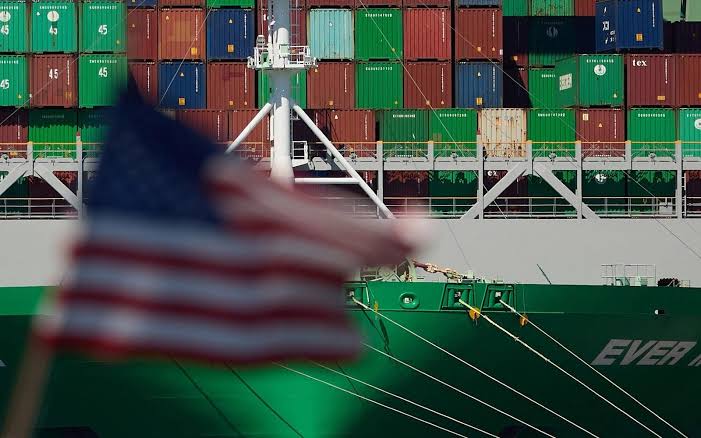
The United States has proposed additional tariffs of 12.5 percent on imports from eight African countries: Algeria, Angola, Egypt, Libya, Mauritania, Morocco, Nigeria, and South Africa, following findings that these economies have failed to ban or effectively enforce prohibitions on goods produced with forced labour. The proposal, unveiled on 2nd June by the Office of the United States Trade Representative, adds a new and uncomfortable dimension to an already strained trade relationship between Washington and the continent.
If approved, the penalty would sit on top of the 10 percent baseline tariff already imposed under Trump’s reciprocal trade framework, effectively raising total US tariffs on Nigerian exports to 27.5 percent.
The proposal is the outcome of 60 simultaneous Section 301 investigations launched by Washington in March 2026 to assess whether trading partners have legal frameworks in place to prevent forced-labour goods from entering US markets. Of the 60 economies investigated, 54 were found to have neither imposed nor effectively enforced such prohibitions. US Trade Representative Jamieson Greer framed the issue in terms of competitive fairness: “The failure of our most important trading partners to address the importation of goods made with forced labour is unacceptable. This creates a dynamic where American workers are forced to compete on an unlevel playing field.”
The eight countries named are not peripheral players. Nigeria and South Africa are the continent’s two largest economies. Egypt, Algeria, Morocco, and Angola are significant exporters of energy, minerals, and manufactured goods to the US. Petroleum, gold, platinum, and copper represent Africa’s primary export basket to Washington, and mineral-exporting countries had previously benefited from product carve-outs under earlier tariff frameworks. Whether those exemptions survive the new mechanism is a question African trade ministries are now urgently working to answer.
The USTR will accept public comments through 6 July 2026, with a public hearing scheduled for 7 July. That window gives affected governments a critical opportunity to contest the findings before any measures take effect. The proposal has not yet become law. But the direction it signals is unmistakable, and the continent cannot afford to respond slowly.
Africa Presents is a Pan-African digital magazine and monthly publication covering politics, business, economy, culture, tech, and the stories shaping Africa and its diaspora. Visit africapresents.com and follow @AfricaPresents for daily coverage and monthly themed magazine editions.





Leave a comment