

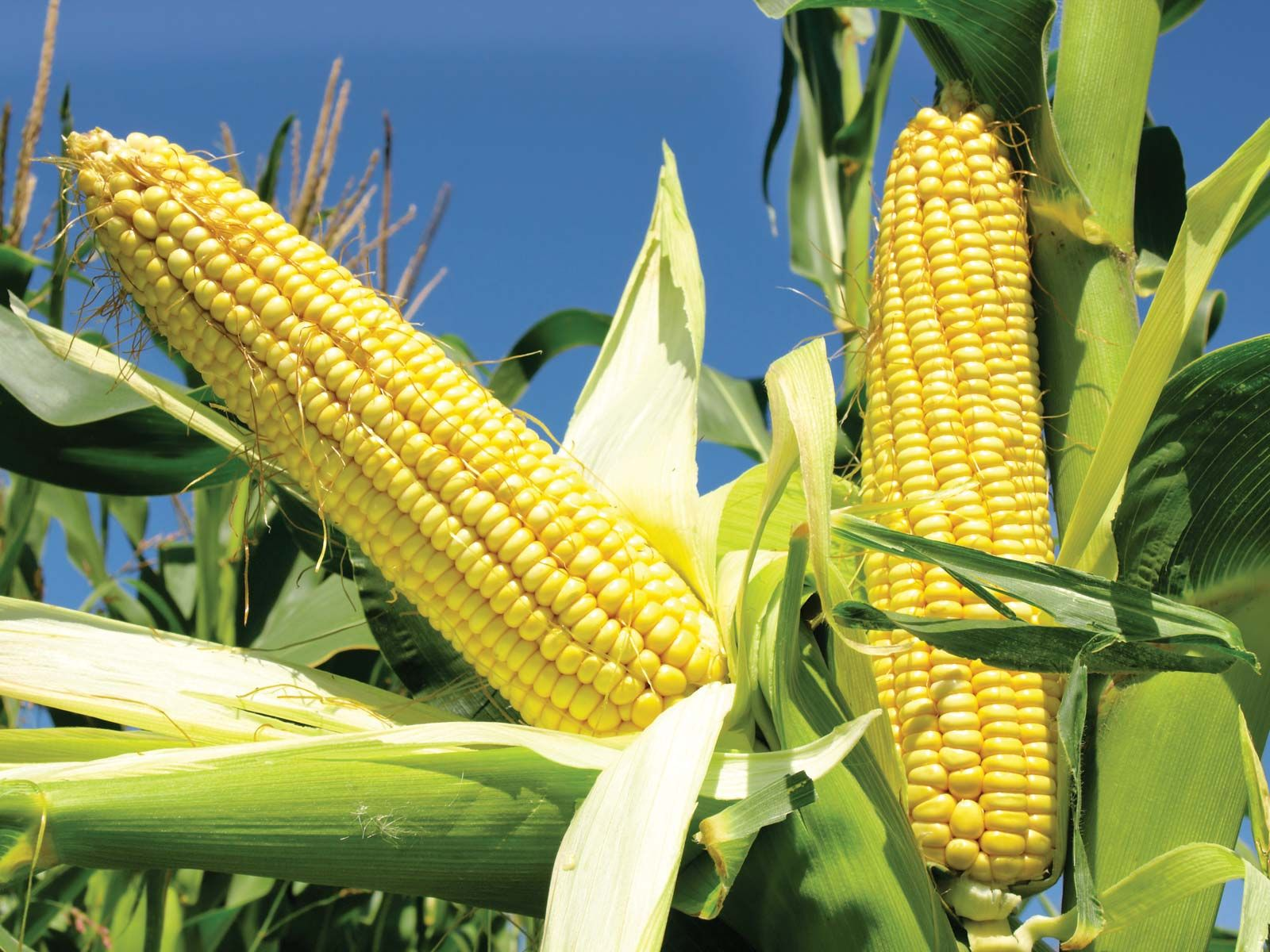
Corn markets have steadied as improved harvests and abundant supplies across Southern Africa continue to contain price pressures, even as concerns grow over a potential El Niño-driven dry spell in the 2026/27 season.
Record 2026 maize harvests in South Africa and Zambia, the subregion’s two largest producers and leading exporters, have increased domestic availability and weighed on both national and regional markets. In South Africa, the 2026 maize harvest, including both commercial and non-commercial sectors, was forecast at a record high of nearly 18 million tonnes, following another bumper crop in 2025.
Seasonal price increases began to emerge in July across Southern Africa after several months of decline, but abundant regional supplies have contained upward pressure, keeping prices at generally lower year-on-year levels. In South Africa, wholesale prices of yellow and white maize rallied in July and August, but the increases were largely attributed to firmer international quotations rather than domestic supply constraints.
In Zambia, the national average price of maize grain fell for the sixth consecutive month in August, driven by a record 2026 harvest of nearly 5 million tonnes and sizeable import volumes. The larger domestic harvest and imports have bolstered national availabilities and helped to soften prices in 2026.
Prospects of an El Niño-influenced drier-than-average 2026/27 cropping season, beginning in October, could curb domestic production and raise export demand from regional neighbours, adding upward support to prices. The most serious near-term concern is Southern Africa, where delayed and erratic rainfall, prolonged dry spells and above-average temperatures could reduce crop and pasture production and tighten regional maize supplies in 2027.
For now, however, maize prices in Southern Africa remain below six-month and year-earlier levels, indicating that improved harvests and better market supplies continue to support a broader medium- to long-term downward price trend. The market is caught between the comfort of current supplies and the risk of a tighter season ahead.
In Eastern Africa, maize prices showed mixed trends between August and September, with prices declining in South Sudan, Uganda and Kenya due to improved market supplies, stronger cross-border inflows and increased regional trade. Conversely, Ethiopia, Rwanda and Tanzania recorded price increases, reflecting tightening domestic supplies and sustained demand.
Kenya is forecast to see a recovery in grain production in the 2026/27 marketing year, with corn production expected to surge by 32.4 per cent to 4.5 million metric tons, driven by a return to normal rainfall. The recovery is expected to reduce imports and put downward pressure on prices.
Africa Presents is a Pan-African digital magazine and monthly publication covering politics, business, economy, culture, tech, and the stories shaping Africa and its diaspora. Visit africapresents.com and follow @AfricaPresents for daily coverage and monthly themed magazine editions.







Leave a comment