

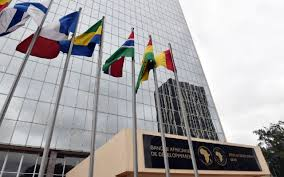
African civil society organisations are demanding a fundamental overhaul of the continent’s aid architecture, arguing that decades of donor-driven development have left foreign funders with too much control over priorities, project design and how success is measured.
The call came at the first-ever meeting of African civil society leaders, held in Accra, Ghana, from the 13th to the 15th of September, 2026, under the theme “Africa at the Centre: Leading Change, Shifting Power”. More than 200 representatives from civil society, donors, policymakers and experts from 30 countries gathered to discuss how to shift decision-making power and resources closer to African communities.
Organisers said traditional foreign aid from rich countries has concentrated power in the hands of donors, determining which African problems receive funding, how interventions are structured and which indicators define success. They argue this has contributed to failed projects, weak accountability, aid dependency, talent diverted from entrepreneurship and job creation, and in some cases corruption.
Now, as traditional foreign aid shrinks amid competing global crises and donor fatigue, African civil society is pushing for greater control over development spending. But the ambition goes beyond demanding that donors listen: groups are also looking to raise more funds from Africans and African governments, and to limit the amount of money that flows out of the continent in debt servicing and illicit financial flows.
Nana Afadzinu, executive director of the West Africa Civil Society Institute (WACSI), said changing the system does not mean simply replacing foreign money with other sources. It also means changing who decides how that money is used. She called for donors to provide more flexible, core funding that allows African organisations to strengthen their institutions instead of moving from one short-term, donor-designed project to another.
Charles Kojo Vandyck of WACSI urged civil society organisations to reduce dependence on donor grants and develop more diverse and sustainable income streams, including diaspora giving, social enterprise, digital fundraising, trading, investment income, government contracts and strategic partnerships. “Grants will always remain important, but grants should be one part of the financing architecture, not the entire architecture,” he said.
The Accra gathering fed into a broader global debate on localisation and shifting power from international funding agencies to local communities. In northern Ghana, civil society group NORSAAC is piloting a “Reverse Call for Proposals”, where communities identify their own needs, design proposals and invite donors to support them, rather than applying for funding based on predetermined donor priorities.
Humanitarian actors in Kenya’s arid and semi-arid lands are making similar arguments: localisation is not only about who delivers aid, but who gets to shape what counts as a priority, where resources go and how impact is defined.
The push for civil society-led reform comes amid growing tension between NGOs and some African governments over foreign aid. In Nigeria, a proposed “Foreign Aid (Regulation, Transparency and Disclosure) Bill” would compel NGOs to disclose foreign funds, register all donor projects and align them with government-defined priorities. Civil society groups warn this could be used to restrict civic space and tighten state control over independent organisations.
For African civil society leaders in Accra, the message was clear: the continent’s aid system was built by donors, but its future must be shaped by Africans themselves, with funding that strengthens local institutions, follows local priorities and is accountable first and foremost to communities.
Africa Presents is a Pan-African digital magazine and monthly publication covering politics, business, economy, culture, tech, and the stories shaping Africa and its diaspora. Visit africapresents.com and follow @AfricaPresents for daily coverage and monthly themed magazine editions.





Leave a comment