

African countries pay approximately $75 billion a year in excess interest rate payments because of persistent risk premiums, the Deputy Executive Secretary of the United Nations Economic Commission for Africa (UNECA), Hanan Morsy, has said.Speaking in Port Louis, Mauritius, Morsy said the “Africa risk premium” forces governments to pay more to borrow, makes investment harder to attract and diverts scarce resources away from development priorities such as health, education and infrastructure. The estimate, first put forward in a 2023 UN Development Programme (UNDP) report, has become a central argument in Africa’s push to reform global credit rating systems.
The risk premium refers to the additional cost African countries pay to borrow compared with peers elsewhere, driven by perceptions of higher default risk rather than actual default rates. According to Morsy, these premiums cost the continent more than $75 billion annually in excess interest, a figure that has been described as a “trust tax” on African development.
An IMF study cited by UN officials found that African governments pay an average of 50 basis points above global peers during normal times, rising to 120 basis points during periods of global stress, simply for issuing securities from Africa. This means African countries pay 3–5 times more to access capital than other parts of the world.
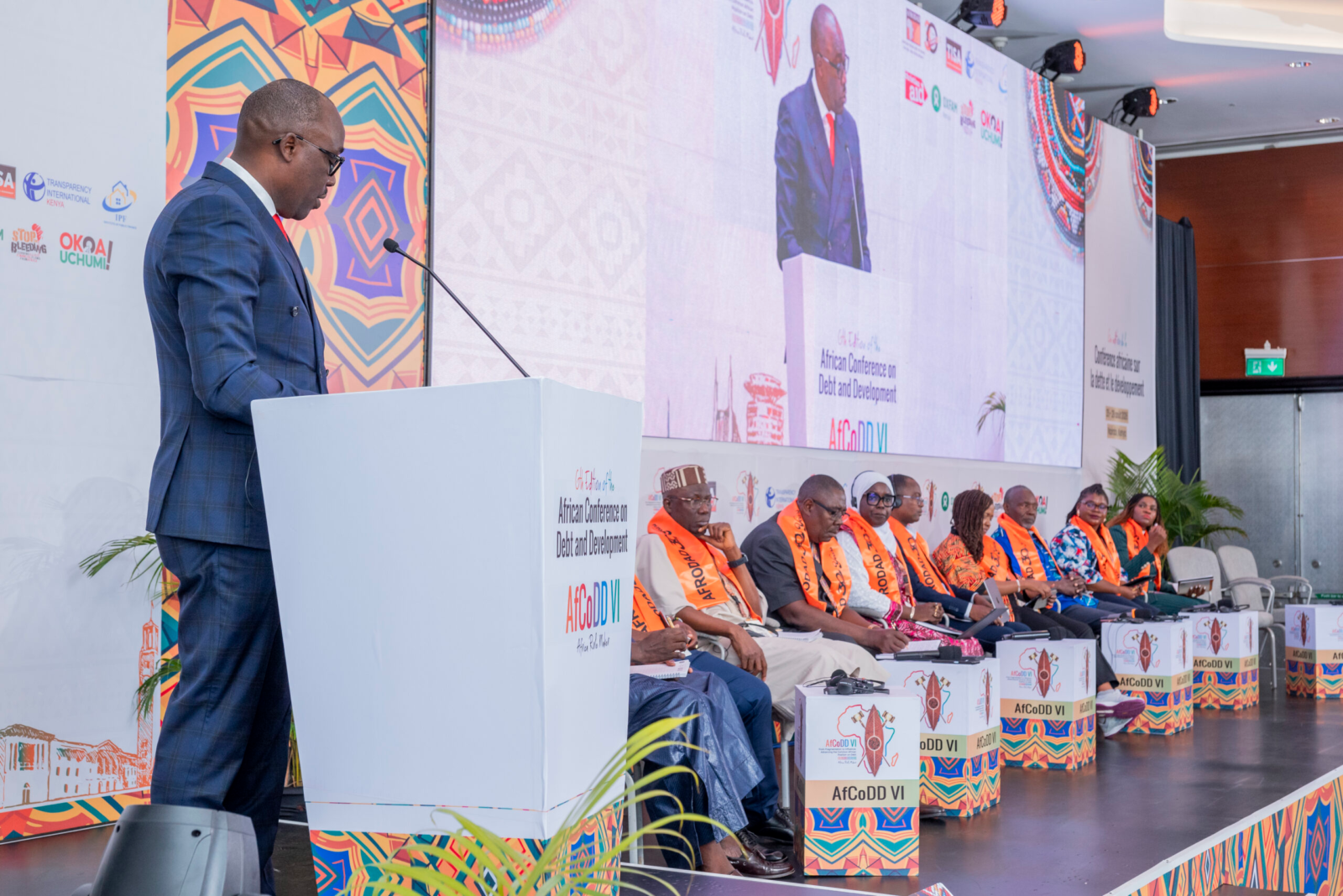
Kenya’s Principal Secretary for Foreign Affairs, Korir Sing’oei, described the additional $75 billion in interest as a “trust tax,” noting that Africa spends about $90 billion annually on debt servicing—more than it receives in aid and climate finance combined. He argued that African countries default less often than is commonly assumed, yet pay more because of inflated risk premiums.
The result, according to Sing’oei, is an unpleasant choice between servicing expensive debt and investing in health, education and climate resilience. With 22 African countries currently in debt distress, the burden of high borrowing costs is compounding the continent’s development financing crisis.
Sing’oei has proposed a 200-basis-point reduction in the borrowing premium over the next three to four years, estimating that this could free up about $20 billion to finance the African Union’s Agenda 2063 infrastructure programme. The proposal is part of a broader push by African leaders to overhaul the global financial architecture and address what they see as unfair risk assessments by credit rating agencies.
The launch of the Africa Credit Rating Agency (AfCRA) in Mauritius on the 7th of October 2026 is seen as a key step in this direction. By providing independent, Africa-focused credit assessments, AfCRA aims to challenge the dominance of the “big three” global rating agencies and reduce the risk premium attached to African debt.
For African policymakers, the $75 billion figure underscores the scale of the challenge in financing development. Reducing the risk premium could unlock significant resources for infrastructure, health, education and climate resilience, helping to close the continent’s estimated $400 billion annual financing gap.
The debate over the Africa risk premium is likely to intensify as AfCRA begins operations and African countries push for a fairer global financial system. Whether the continent can turn this momentum into lower borrowing costs will depend on the credibility and independence of new rating mechanisms and the willingness of global investors to reassess African risk.
Africa Presents is a Pan-African digital magazine and monthly publication covering politics, business, economy, culture, tech, and the stories shaping Africa and its diaspora. Visit africapresents.com and follow @AfricaPresents for daily coverage and monthly themed magazine editions.







Leave a comment