

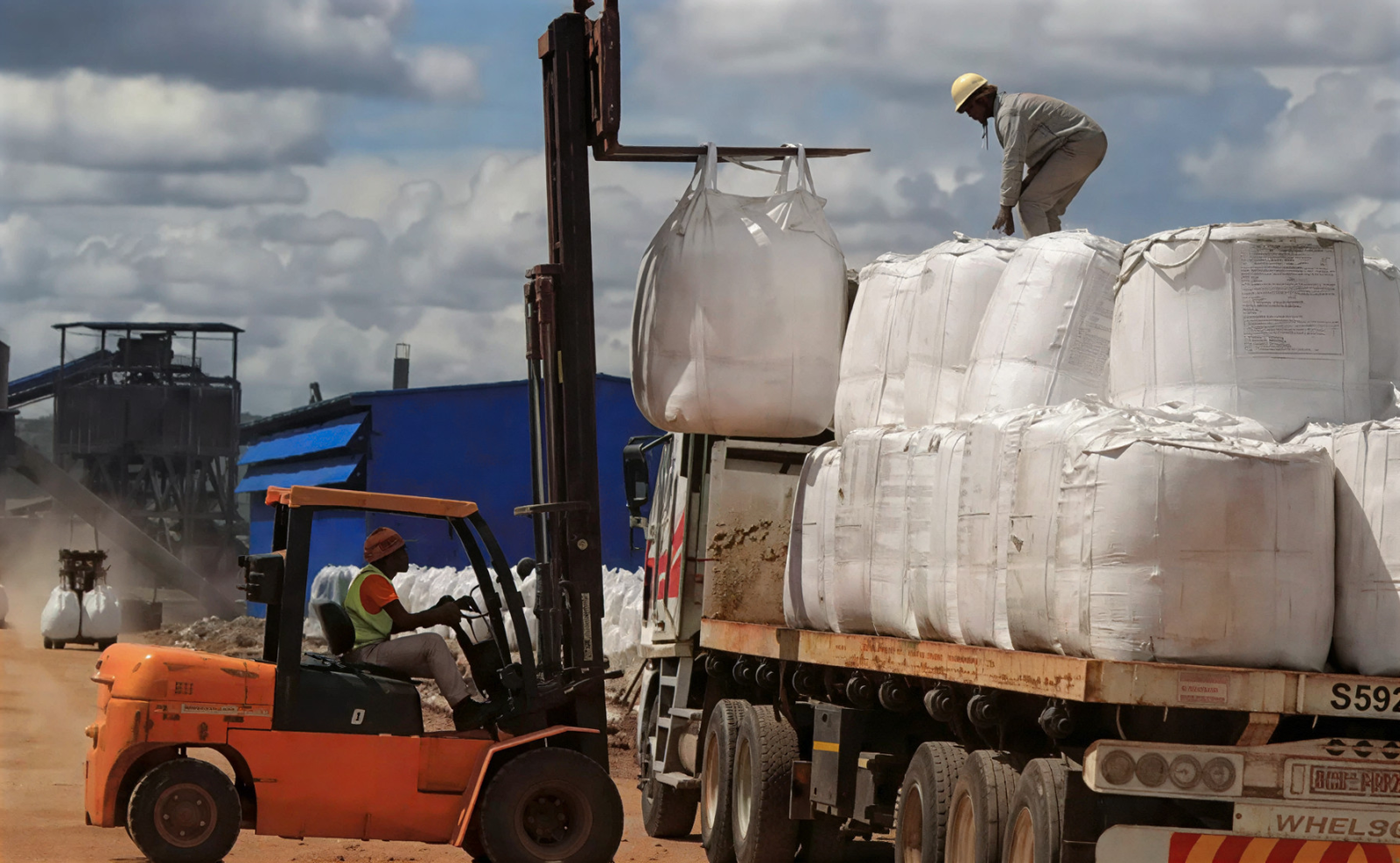
In a move that has sent shockwaves through global commodity markets, Zimbabwe’s government has imposed an immediate and indefinite ban on exports of all raw minerals and lithium concentrates. Announced on February 25, 2026, by its Minister of Mines and Mining Development; Polite Kambamura, the policy halts even shipments already in transit, citing national interest, rampant malpractices like underinvoicing and smuggling, and the urgent need for domestic value addition.
This dramatic step accelerates a previously planned lithium concentrate ban set for January 2027, extending it to all raw minerals amid concerns over revenue leakages that have long plagued the sector. Mining contributes 14.3% to Zimbabwe’s GDP, with the country emerging as Africa’s largest lithium producer, its vast Bikita deposits fueling global battery supply chains, mostly to China. By freezing raw exports, Harare aims to force beneficiation, create jobs, and retain economic value at home, echoing a pan-African push for resource nationalism.

Shaking Global Markets and Supply Chains
The ban’s timing couldn’t be more disruptive. Lithium prices, already volatile due to oversupply, spiked as investors eyed tighter supplies from this key player. Americas-based lithium miners saw shares surge, while Chinese processors scramble for alternatives. Gold, chrome, and other commodities face similar halts, potentially inflating prices and reshaping trade flows.
Analysts warn of short-term pain: Zimbabwean firms without refineries face cash crunches, and global EV makers confront delays. Yet proponents hail it as overdue sovereignty. Africa loses billions exporting raw wealth while others profit from processing. Videos and social buzz frame it as “revolutionary,” urging the continent to follow suit.
Pan-African Implications and Challenges Ahead
Zimbabwe’s gambit fits a trend: Indonesia’s nickel curbs and the DRC’s cobalt reforms show resource-rich nations reclaiming leverage in the green transition. For Africa, it spotlights the beneficiation imperative, turning minerals into batteries, alloys, and tech to fuel industrialization. Minister Kambamura pledged stakeholder engagement for smooth rollout, but critics fear enforcement hurdles and foreign investor flight.
As markets digest the “stunning” news, the ban tests Zimbabwe’s resolve. Success could inspire a resource renaissance across the continent; failure risks economic isolation. Either way, Africa’s mineral kings are no longer content playing second fiddle.







Leave a comment