

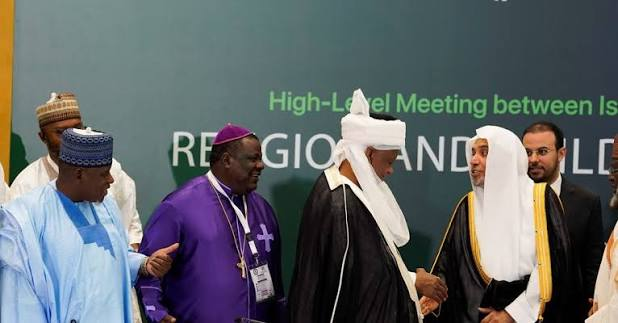
Muslim and Christian leaders in Nigeria have signed a new peace accord aimed at strengthening religious tolerance, preventing violence and promoting dialogue between faith communities.
The agreement comes as the country continues to face security challenges, communal tensions and disputes that can sometimes take on a religious dimension. Religious leaders say cooperation is essential to preventing misinformation, reducing suspicion and protecting vulnerable communities.
Under the accord, the signatories are expected to support peaceful coexistence, condemn violence and encourage their followers to resolve disagreements through dialogue. They also pledged to discourage hate speech and avoid statements that could inflame tensions.
The agreement is expected to create stronger channels of communication between Christian and Muslim organisations. These channels could help religious leaders respond more quickly to local disputes before they escalate into wider violence.
Nigeria’s faith communities play an influential role in public life. Churches and mosques often provide education, humanitarian assistance and social support, particularly in areas where government services are limited. Their leaders can therefore help promote reconciliation and community resilience.
The accord also highlights the importance of involving young people and women in peacebuilding efforts. Young Nigerians are often the most affected by insecurity, while women frequently bear the greatest burden during communal conflicts and displacement.
However, observers say the success of the agreement will depend on implementation. Religious leaders will need to take the message beyond formal ceremonies and work with communities, schools, civil society groups and government authorities.
They will also need to address the underlying causes of conflict, including poverty, unemployment, political manipulation, criminality and competition over land and resources. Religious dialogue alone cannot resolve these problems, but it can help create the trust needed for broader peace efforts.
The new accord offers a hopeful sign at a time when Nigeria needs stronger cooperation across religious and ethnic lines. Its lasting impact will be measured by whether it helps communities prevent violence and build a more inclusive culture of peace.
Africa Presents is a Pan-African digital magazine and monthly publication covering politics, business, economy, culture, tech, and the stories shaping Africa and its diaspora. Visit africapresents.com and follow @AfricaPresents for daily coverage and monthly themed magazine editions.







Leave a comment