

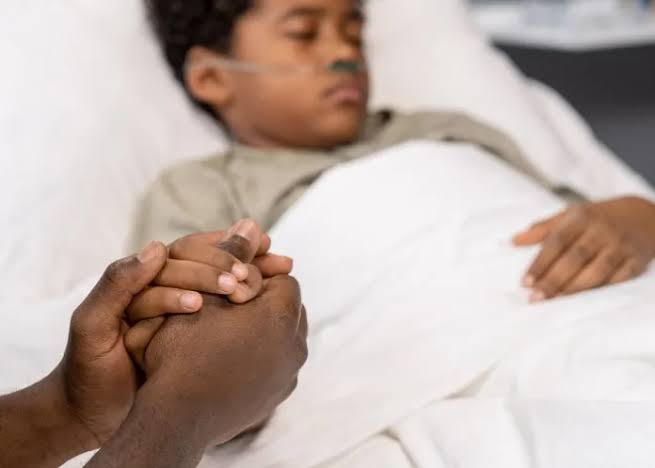
African hospitals are facing significant new costs as they scramble to replace the main anaesthetic used for child operations, set to run out entirely in 2027, a leading charity has warned. Halothane remains widely used across sub-Saharan Africa because it can be seven to ten times cheaper than the newer alternative, sevoflurane, but the last halothane manufacturer shut down its production line in India in 2023, and stocks are now rapidly running dry.
“We don’t know exactly when, but I don’t think we will have any halothane left by the end of 2027,” said Elizabeth Igaga, an anaesthesiologist in Uganda and senior director for programme safety at Smile Train, a charity that carries out more than 100,000 surgeries each year for cleft lips and palates, 90 per cent of them for children.
Crisis Years in the Making
While high-end hospitals have already switched to sevoflurane, they represent only a tiny fraction of facilities in sub-Saharan Africa. The transition has exposed years of underfunding in anaesthesia systems, with many facilities discovering that machines need to be replaced at a cost of tens of thousands of dollars each.
The announcement that halothane was no longer being produced “set off nationwide panic” in Zambia, said Sompwe Mwansa, president of the country’s Society of Anaesthetists. “We’re playing catch-up on equipment needs and training needs,” she said, noting that anaesthetics in many facilities are administered by non-doctor health workers who will need fresh training to avoid expensive wastage.
Why the Stakes Are So High
Children born in sub-Saharan Africa face an 85 per cent risk of requiring surgical care by the age of 15, yet children’s surgery has been largely neglected by global health policies. Almost five times as many people die each year globally from a lack of access to surgical care and anaesthesia than from HIV/AIDS, tuberculosis, and malaria combined, according to the Lancet Commission on Global Surgery, a crisis driven by hospitals that often lack basic infrastructure and face a severe shortage of anaesthesiologists.
Whose Responsibility Is It Now?
Smile Train says it cannot solve the problem alone, and wants African governments to take ownership. “We are happy to support, but we also need them to take responsibility,” Igaga said.
A regional roadmap is being developed to bring increased healthcare spending, expanded surgical training, and national anaesthesia policy to the African Union for formal adoption. The halothane shortage is not an isolated supply problem. It is a symptom of a surgical care system long under-resourced relative to its burden, now facing a hard 2027 deadline that charities alone cannot meet.
Africa Presents is a Pan-African digital magazine and monthly publication covering politics, business, economy, culture, tech, and the stories shaping Africa and its diaspora. Visit africapresents.com and follow @AfricaPresents for daily coverage and monthly themed magazine editions.







Leave a comment