

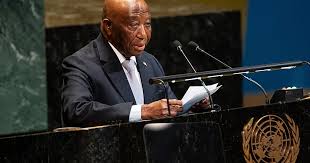
Liberia has agreed to accept as many as 1,200 deportees from the United States under a migration arrangement with the administration of President Donald Trump.
The agreement is expected to cover people being removed from the US who are not Liberian citizens. It forms part of Washington’s wider effort to secure deportation partnerships with countries willing to receive migrants from third countries.
The arrangement has generated debate in Liberia, where concerns have been raised about the legal status, security implications and humanitarian needs of those who may arrive. Critics are also questioning whether the agreement was reached with sufficient public consultation.
Supporters say the deal could strengthen Liberia’s relationship with the United States and potentially bring economic or diplomatic benefits. Liberia has historically maintained close ties with Washington, including cooperation in development, security and governance.
However, receiving deportees from other countries could place pressure on Liberia’s already limited resources. Authorities would need to provide accommodation, documentation, healthcare and legal support while determining the status of each person.
Human-rights organisations are expected to scrutinise the arrangement closely. They have called for assurances that deportees will not be sent to places where they face persecution, torture or other serious risks, and that each case will be reviewed fairly.
The deal also raises questions about how deportations will be managed. Transparency over the agreement’s terms, funding, duration and oversight will be important in preventing confusion and protecting the rights of those affected.
For Liberia, the arrangement could become a test of its ability to balance foreign-policy interests with domestic concerns and international obligations. The government is likely to face pressure to explain how the programme will operate and what safeguards will be in place.
The first arrivals, if the agreement proceeds, will show how Washington and Monrovia interpret their commitments. Until then, the deal remains politically sensitive, with its impact likely to extend beyond migration policy to Liberia’s relations with the United States and the wider region.
Africa Presents is a Pan-African digital magazine and monthly publication covering politics, business, economy, culture, tech, and the stories shaping Africa and its diaspora. Visit africapresents.com and follow @AfricaPresents for daily coverage and monthly themed magazine editions.







Leave a comment