
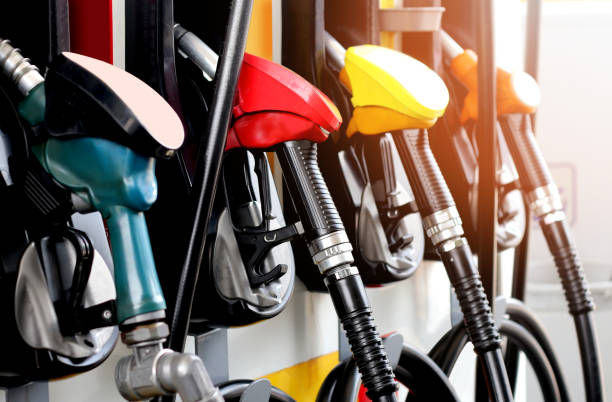
West African petroleum regulators have called for harmonised fuel quality standards, improved infrastructure and stronger regulatory coordination to facilitate cross-border trade and reduce market barriers across the region.
The push, led by the West Africa Regulators’ Forum (WARF), comes as ECOWAS negotiations to establish a unified fuel quality standard have reached an advanced stage, with the Nigerian Midstream and Downstream Petroleum Regulatory Authority (NMDPRA) confirming that discussions on an integrated regional energy market are well underway. The framework builds on ECOWAS Directive C/DIR.1/9/2020, adopted in September 2020, which set common specifications for gasoline and diesel, including a 50 parts-per-million sulphur limit.
NMDPRA Chief Executive Rabiu Umar, who also chairs WARF, said differences in fuel specifications across countries made it difficult to compare products and ensure fair competition, citing the disparity between diesel specifications of 50 ppm and 1,500 ppm. “If you don’t have the same quality, then it’s difficult, because each quality has a price,” Umar said, explaining that standardising product quality must come before establishing a regional price benchmark.
A common specification would make petroleum products more fungible, allowing marketers to move products between countries without being restricted by different quality requirements, and would help Nigeria position itself as a petroleum products trading hub. Effective implementation of the harmonised standards is expected to reduce harmful vehicle emissions, protect public health, facilitate cross-border petroleum trade and discourage the circulation of substandard fuels.
The challenge now is enforcement, with a regional validation workshop in Dakar in July 2026 bringing together regulators from ECOWAS’ 12 member states, refineries, ARDA, APPO and UNEP to review a draft revision of the directive. The meeting recognised that setting a regional sulphur limit was easier than aligning the institutions, industrial investments and national rules needed to enforce it.
In July, ECOWAS organised a study tour in Accra, Ghana, where regulators from member states learned from Ghana’s National Petroleum Authority’s fuel quality enforcement system, sharing best practices and identifying common implementation challenges. The engagement is expected to strengthen regional capacity and accelerate progress in implementing the directive.
Regulators are also pushing for the harmonisation of fuel standards, licensing requirements and trade rules across West African countries, arguing that regulatory fragmentation was increasing the cost and complexity of regional energy trade. The next challenge is ensuring sufficient market liquidity, as a functioning regional benchmark would require adequate volumes of petroleum products to support transparent trading.
For West Africa, the goal is a more integrated, competitive and sustainable regional petroleum market, with harmonised standards as the foundation for cleaner fuels, lower costs and stronger cross-border trade.
Africa Presents is a Pan-African digital magazine and monthly publication covering politics, business, economy, culture, tech, and the stories shaping Africa and its diaspora. Visit africapresents.com and follow @AfricaPresents for daily coverage and monthly themed magazine editions.






Leave a comment