

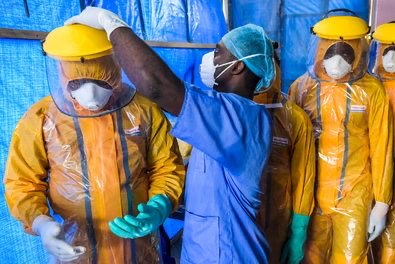
Health authorities in eastern Democratic Republic of Congo have opened a second Ebola treatment centre in North Kivu, a province that has long been one of the country’s hardest-hit areas during outbreaks of the deadly virus. The move is part of a wider response to an epidemic that has spread across parts of Ituri, North Kivu and South Kivu, placing extra strain on an already overstretched health system.
The new centre is especially significant because North Kivu is not new to Ebola. The province was one of the main battlegrounds during earlier outbreaks, and many communities there have lived through repeated waves of violence, displacement and disease. That history matters because it shapes how people respond to health alerts, whether they trust medical teams, and how quickly they seek treatment when symptoms appear.
The World Health Organization said a new Ebola treatment centre had opened in eastern Congo as part of the expanding response, while news reports and humanitarian updates show that facilities are being added or refurbished across the affected zone to improve patient care and isolation capacity. In Bunia, for example, WHO handed over a refurbished Ebola treatment centre to local health authorities, while other facilities have been established or expanded in nearby provinces.
Ebola remains one of the most feared viral diseases in Africa because it spreads through direct contact with infected bodily fluids and can cause severe bleeding, organ failure and death. The current outbreak in eastern Congo is particularly difficult to manage because several of the affected areas are insecure, with armed group activity, displacement and attacks on health facilities making response work far more dangerous. Reuters reported earlier in June that armed men removed a woman and child from an Ebola clinic in eastern Congo, an incident that highlighted the risks facing treatment teams and patients alike.
The opening of a second treatment centre in North Kivu also reflects a shift in strategy. Instead of relying on one location to handle a growing caseload, health workers are building a wider network of care points so that suspected and confirmed cases can be isolated closer to where they are found. That approach can help reduce delays in treatment, improve the chances of survival, and limit the spread of infection to families and caregivers.
For residents in North Kivu, however, the new centre is only one part of a much bigger struggle. Ebola outbreaks in Congo are never just medical events; they are also social and political emergencies shaped by insecurity, mistrust, weak infrastructure and limited access to healthcare. The success of the response will depend not only on beds and medicines, but also on community engagement, safe burials, contact tracing and the ability of health workers to operate without interruption.
There have also been signs of hope. WHO reported recoveries among Ebola patients in eastern Congo in late May, including a first documented recovery from the current Bundibugyo-type outbreak, showing that treatment and early care can save lives. Still, health officials continue to warn that the situation remains serious and that more resources are needed if the spread is to be brought under control.
The opening of the North Kivu centre is therefore both a practical response and a reminder. It shows that health authorities are trying to stay ahead of the outbreak, but it also underlines how often eastern Congo must fight the same battles again: against Ebola, against insecurity, and against the conditions that let both spread.







Leave a comment