

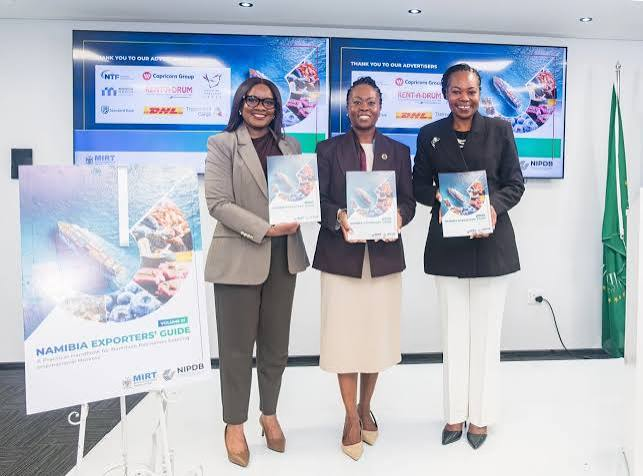
Namibia has launched the Namibia Step-by-Step Guide to Trading in Goods under the African Continental Free Trade Area (AfCFTA), a practical resource designed to help exporters, importers and producers navigate the documentation, regulatory procedures and institutional requirements needed to access preferential markets across Africa.
Launched in Windhoek on November 9th, 2026, under the theme “Bridging the Trade Information Gap: Empowering Namibian Businesses to Trade Effectively under the AfCFTA”, the Guide was developed by Namibia’s Ministry of International Relations and Trade (MIRT), the Namibia Chamber of Commerce and Industry (NCCI), the United Nations Economic Commission for Africa (ECA) and with financial support from the Government of Japan, with the resource designed to translate AfCFTA commitments into actionable steps for the private sector.
The Guide consolidates trade procedures and regulatory requirements into a single, user-friendly resource, mapping general and product-specific regulatory requirements, outlining the procedural steps involved in cross-border trade, and providing practical illustrations of export and import procedures for selected products of importance to Namibia’s economy. It provides guidance on tariff classification, rules of origin, exporter registration and procedures for obtaining the AfCFTA Certificate of Origin, while also directing businesses to continental trade information platforms including the AfCFTA e-Tariff Book, African Trade Observatory and Non-Tariff Barriers Reporting Mechanism.
The publication was reviewed during a stakeholder validation workshop held in Windhoek from February 5th to the 6th, 2026, where participants collectively reviewed and validated the draft Guide and the AfCFTA component of the Namibia Trade Portal, confirming the accuracy of regulatory and procedural requirements, identifying gaps, clarifying processes, and ensuring that the Guide is practical, user-friendly and responsive to the needs of its primary users. The Guide’s content will be integrated into Namibia’s Trade Information Portal, with training provided to ensure effective maintenance and use, while ECA has encouraged linking the Portal to the SADC Online Trade, Technology and Investment Platform (SOTIP) to enhance continental visibility and access.
Limited export readiness, inadequate access to trade finance, fragmented market information and complex regulatory requirements continue to prevent Namibian businesses from fully benefiting from the AfCFTA, with businesses facing difficulties navigating export procedures, meeting product standards, securing buyers and accessing logistics services despite preferential access to continental markets. The Guide is designed to address these challenges by reducing information asymmetries, enhancing transparency and facilitating greater participation of Namibian businesses, particularly micro, small and medium-sized enterprises (MSMEs), women and youth entrepreneurs, in opportunities arising from the AfCFTA.
Namibia recorded its first export consignment under the agreement in June 2025, when it shipped salt to Nigeria, while the Meat Corporation of Namibia has already completed three shipments to African markets under the Agreement, including Kenya, with Namibian products now entering the Kenyan market at preferential tariff rates that were not available prior to the Agreement. The next phase of implementation will focus on helping businesses identify markets, comply with export requirements, establish commercial relationships and secure financing, with the Guide serving as a foundational tool for building enterprise readiness across the private sector.
Namibia’s Minister of International Relations and Trade, Ambassador Jerobeam Shaanika, stressed the importance of bringing practical trade information closer to entrepreneurs, exporters and producers so they can navigate procedures, meet requirements and access markets across the continent, noting that Africa’s single market must translate into real opportunities for businesses. The Namibia Chamber of Commerce and Industry’s First Vice-President, Patty Karuaihe-Martin, emphasised that the next phase of AfCFTA implementation must focus on enterprise readiness, with the Guide’s success measured by how effectively businesses, particularly MSMEs and women- and youth-owned enterprises, use it to access new African markets and expand trade.
The launch of the Guide represents an important step towards promoting wider dissemination, practical application and sustained uptake of AfCFTA preferences by businesses, traders and public- and private-sector trade-support institutions, with the initiative positioning Namibia to help businesses compete in Africa’s emerging single market of 1.3 billion people. The challenge now is to ensure that the Guide reaches businesses in remote and rural areas, with targeted capacity-building initiatives and active utilisation of the resource by the private sector needed to convert policy commitments into tangible trade outcomes.
Africa Presents is a Pan-African digital magazine and monthly publication covering politics, business, economy, culture, tech, and the stories shaping Africa and its diaspora. Visit africapresents.com and follow @AfricaPresents for daily coverage and monthly themed magazine editions.







Leave a comment