
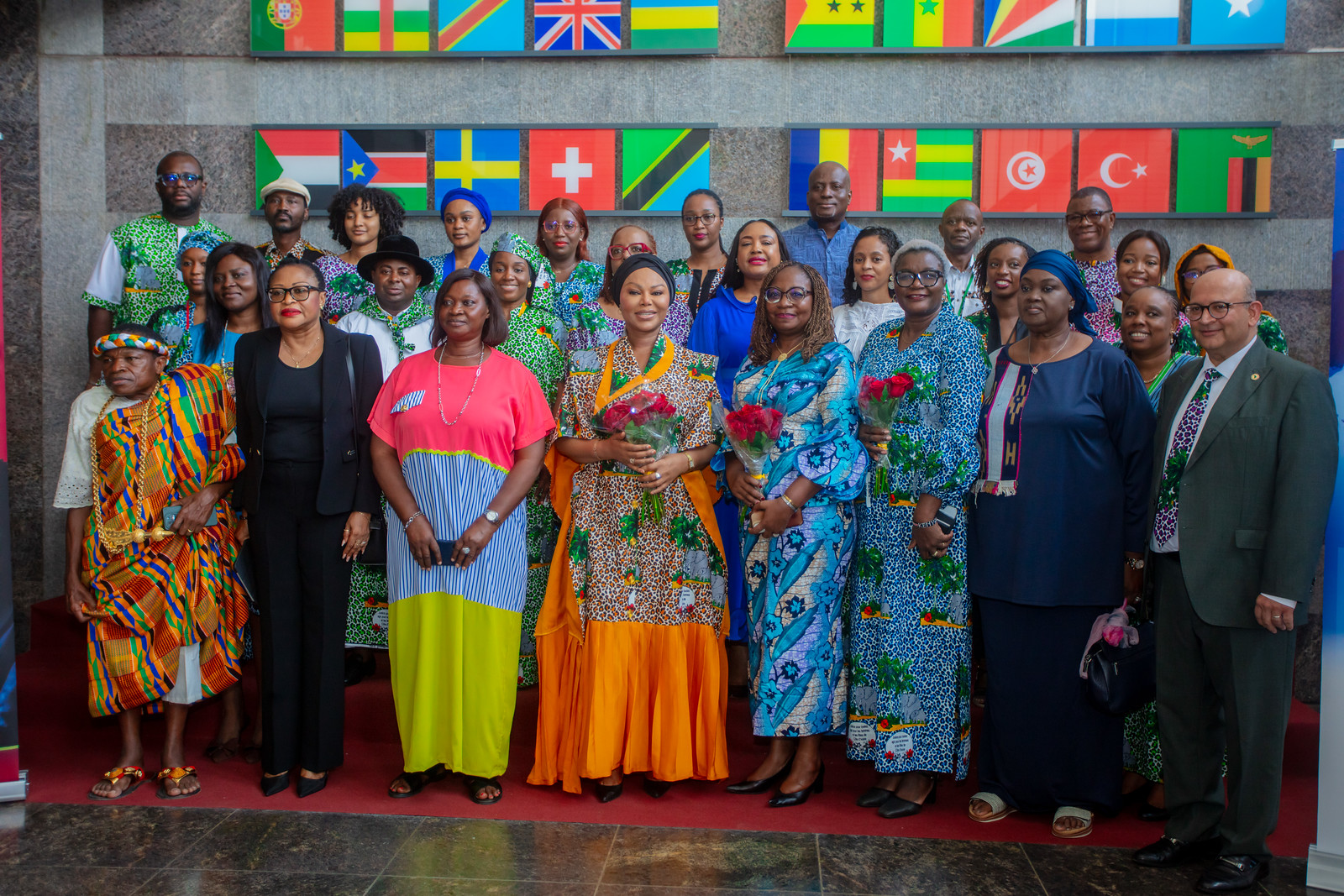
Women in Management Africa (WIMAFRICA) is holding a two-day conference in Lagos from November 10th to 11th, 2026, under the theme ‘The Power Shift: Women Driving Africa’s Global Economic Influence’, seeking greater access to finance, markets and economic decision-making for African women.The maiden African edition of the Women in Management Global Economic Forum brings together women leaders, entrepreneurs and business executives from across the world, with WIMAFRICA Chairperson Dr Ngozi Oyewole saying the organisation seeks to move women beyond participation in economic activities to positions where they could influence business decisions, trade and the allocation of resources. “The power shift is about where women make decisions, especially economic decisions as they affect them,” Oyewole said, noting that African women already contribute significantly to manufacturing, agriculture, trade and entrepreneurship but lack adequate access to capital, markets and decision-making platforms.
The conference will explore opportunities under the African Continental Free Trade Area (AfCFTA), particularly in local manufacturing, backward integration and the development of African supply chains, with Oyewole stressing that women-owned businesses must become more involved in manufacturing and investment rather than remain largely confined to trading and other economic activities. She identified limited access to finance, inadequate infrastructure, poor understanding of AfCFTA procedures, cultural restrictions and land ownership challenges as major obstacles to women’s economic advancement across Africa.
Oyewole said many women-owned businesses struggled to secure working capital despite having confirmed purchase orders because they lacked funds to procure raw materials, pay workers and meet production costs before receiving payments from customers, urging financial institutions to develop financing products that reflected the operational needs of women-owned enterprises, particularly manufacturers and small businesses. She also called on government agencies and corporate organisations to improve access to procurement opportunities for qualified women-owned businesses and ensure prompt payment for completed contracts, while advocating stronger protection of women’s property rights.
Inadequate data on women’s skills, businesses, and economic activities is limiting the effectiveness of government empowerment programmes and efforts to expand their participation in Nigeria’s economy, with Oyewole calling for a comprehensive identification of women’s economic activities across the country to enable government and development partners to design interventions that address their actual needs rather than rely on broad policy commitments. Her Business Women of Influence initiative is developing a Community Skills Census to identify women across Nigeria’s 36 states, the Federal Capital Territory and local government areas, documenting women’s skills, occupations, businesses and levels of enterprise development to guide government policies and development interventions.
Tinubu-led administration for initiatives aimed at strengthening women’s economic participation, citing skills acquisition programmes through the Industrial Training Fund, inclusive public procurement initiatives and interventions under the Ministry of Women Affairs, while welcoming the designation of 2026 as the Year of Families and Social Development. She also referenced the Power of 10 Million initiative, which seeks to mobilise women across different sectors and strengthen their economic capacities, though she maintained that the effectiveness of these interventions would depend on reliable information to identify beneficiaries, establish their needs and ensure that government policies translated into access to finance, skills, productive assets and sustainable business opportunities.
The WIMAFRICA conference comes amid a broader push for women’s economic inclusion across Africa, with Women in Mining Africa (WiM-Africa) separately calling for African countries to move beyond the extraction and export of raw minerals and develop the processing, market intelligence, financial and commercial infrastructure required to influence the value and pricing of the continent’s mineral resources, with WiM-Africa’s 2025–2030 Action Plan focusing on gender inclusion, economic empowerment and sustainable mining across artisanal, small-scale and industrial mining value chains. The challenge now is to convert the commitments and partnerships announced at the Lagos forum into concrete policy changes, financing mechanisms and procurement reforms that can translate women’s economic participation into sustainable business growth and leadership.
Africa Presents is a Pan-African digital magazine and monthly publication covering politics, business, economy, culture, tech, and the stories shaping Africa and its diaspora. Visit africapresents.com and follow @AfricaPresents for daily coverage and monthly themed magazine editions.






Leave a comment