

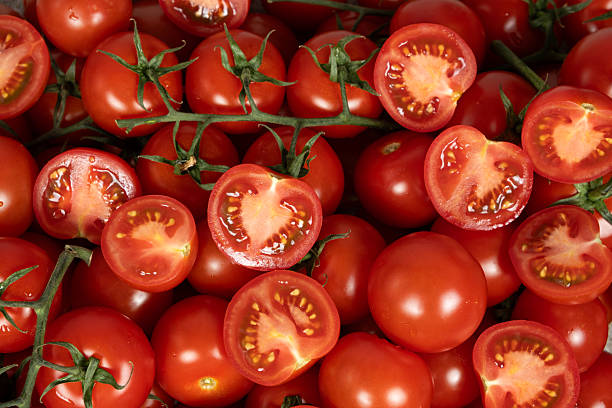
Morocco has temporarily paused tomato exports to African markets to ensure steady domestic supply and help lower prices at home, with exports to Europe, where prices are considerably higher, exempt from the decision.The decision, communicated to exporters serving African destinations on Thursday, November 5th, follows a surge in local tomato prices caused by lower productivity in Souss Massa, Morocco’s main tomato-producing region, alongside higher fertiliser and fuel costs. “The halt is temporary and aims to help organise the market,” a government source told Reuters, adding that exports “would resume soon,” though no specific date for resumption was provided.
High temperatures in September, which is the planting period, lowered yields and pushed a considerable number of growers to postpone planting while they waited for better conditions, with the heat also fostering pest outbreaks such as thrips and mites that affected tomatoes and peppers. Growers in Souss Massa reported supply drops of up to 70 per cent in their own operations, with farm-gate prices reaching levels rarely seen on both local and export markets.
The suspension is expected to redirect volumes previously destined for African markets to the domestic market, with tomato prices in Casablanca falling from 12 dirhams per kilogram to about 8 dirhams following the export halt, according to market officials. However, industry representatives have disputed the link between export restrictions and price declines, with the president of the Moroccan Association of Exporters of Various Goods to Africa and Abroad, Mohamed Zemrani, arguing that the suspension had not directly contributed to the price drop.
Morocco is the European Union’s second-largest tomato exporter, but its African export market is relatively small, with the suspension affecting a comparatively minor share of the country’s overall tomato trade. The exemption for European shipments reflects the higher prices and binding contracts governing volumes and delivery schedules to European markets, in contrast with the more flexible arrangements governing African exports.
The decision follows a similar move in April 2026, when Morocco halted tomato exports to both European and African markets after domestic prices climbed to nearly 15 dirhams per kilogram, with wholesale prices in southern markets falling sharply after the move. The government has maintained transport subsidies to help keep food prices stable and plans to establish regional distribution companies to reduce intermediaries and lower food costs, with government spokesman Samir Belfquih stating that the government gives priority to “food sovereignty.”
Exporters have warned that the suspension could allow competitors to gain ground in African markets while destination countries boost local production to become self-sufficient as Morocco retreats, with the Moroccan Association of Exporters of Various Commodities to Africa describing the current collapse of exports to African markets as the sharpest exporters have faced in years, hitting tomatoes, watermelon, courgettes, peppers and onions alike. The association’s president, Mohamed Zemrani, called on authorities to address structural issues in the production chain and align trade policies with partnerships with African markets.
The challenge now is to balance the immediate need to stabilise domestic prices against the longer-term risk of losing market share in Africa, with growers expecting the tomato market to return to normal by the end of the month as weather conditions improve and harvests reach full swing.
Africa Presents is a Pan-African digital magazine and monthly publication covering politics, business, economy, culture, tech, and the stories shaping Africa and its diaspora. Visit africapresents.com and follow @AfricaPresents for daily coverage and monthly themed magazine editions.







Leave a comment