

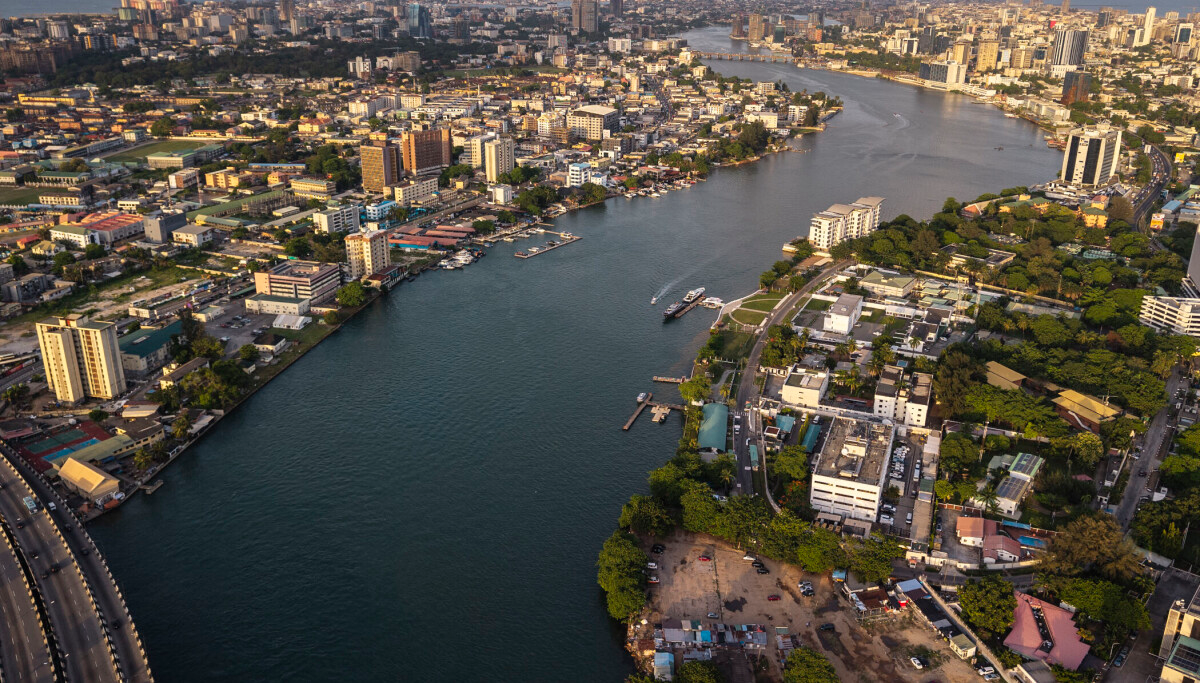
Angola’s capital, Luanda, is projected to overtake Lagos as sub-Saharan Africa’s most populous city by 2050, as the region’s urban population surges and new megacities emerge across the continent.
A World Bank report, Sub-Saharan Africa’s Urban Awakening: Catalyzing Economic Growth and Job Creation, projects Luanda’s population will rise 78 per cent from 11.4 million in 2025 to 20.3 million in 2050, while Lagos grows more than 25 per cent from 12.8 million to 16.2 million, dropping to second place. Johannesburg is expected to fall from fifth to eighth, growing from 7.1 million to 8.9 million as other cities expand faster.
By 2050, sub-Saharan Africa is set to host five megacities, with Kinshasa, Dar es Salaam and Addis Ababa all expected to house more than 10 million people, the generally accepted definition of a megacity. The region’s urban population is projected to rise by 748 million by 2050, reaching approximately 1.7 billion when peri-urban areas and towns are included, with the urban population having already grown from 170.2 million in 1975 to 912.6 million in 2025.
The 15 largest cities in sub-Saharan Africa by 2050 are projected to be Luanda, Lagos, Kinshasa, Dar es Salaam, Addis Ababa, Abidjan, Khartoum, Johannesburg, Onitsha, Yaoundé, Nairobi, Kampala, Bamako, Accra and Mogadishu. Bamako and Mogadishu are expected to join the top 15, with Bamako’s population rising 80 per cent to 7.6 million and Mogadishu’s 64 per cent to 7.2 million, while Cape Town and Kano drop out despite growing by 36 per cent and 31 per cent respectively.
For these cities, the central question is not iconic architecture but water, sanitation, transport and secure land for self-built housing, with much of Luanda’s growth taking place in musseques, the informal neighbourhoods surrounding the colonial core and bay. Oxford Economics projects that Africa’s 12 megacities alone will account for more than 20 per cent of global urban population growth over the next 25 years, with Cairo and Kinshasa becoming the fourth- and fifth-most-populous cities in the world by 2050.
The challenge for African governments is to ensure that urban growth translates into economic growth and job creation, with the World Bank report highlighting the need to catalyse economic growth and job creation alongside urban expansion. The challenge now is to build the infrastructure, housing and services needed to support populations that will grow faster than almost anywhere else in the world.
Africa Presents is a Pan-African digital magazine and monthly publication covering politics, business, economy, culture, tech, and the stories shaping Africa and its diaspora. Visit africapresents.com and follow @AfricaPresents for daily coverage and monthly themed magazine editions.







Leave a comment