

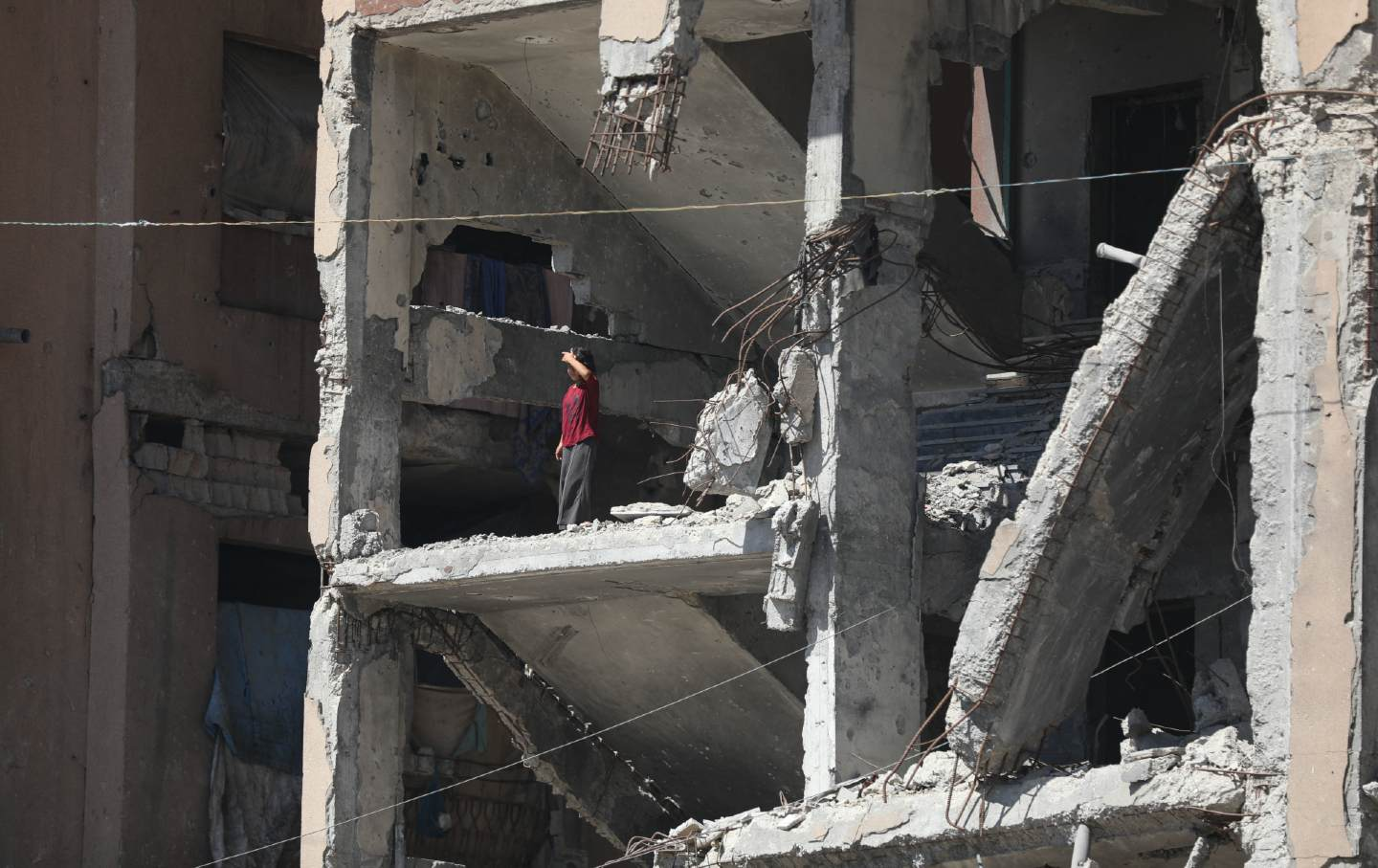
As Israelis prepare to vote on the 27th of October, African governments from Pretoria to Rabat are weighing what the result could mean for their foreign and domestic policies.
The war on Gaza has exposed sharp differences across the continent, with some governments pursuing diplomatic measures against Israel while others maintain commercial and security ties. The outcome of the election will test whether Israel’s ties with African countries can withstand the fallout from the conflict.
South Africa has emerged as one of Israel’s most vocal critics, bringing the country before the International Court of Justice (ICJ) on charges of genocide and withdrawing its ambassador from Tel Aviv. In November 2023, South Africa’s National Assembly adopted a motion calling on the government to close the Israeli embassy and suspend diplomatic relations, though the motion did not itself implement those measures.
The country’s stance reflects the strength of political opposition to Israel’s military campaign in Gaza. For South Africa, the election outcome will be closely watched for any signals of a shift in policy that could ease or intensify tensions.
Morocco offers a contrasting example, having restored relations with Israel in 2020 under a US-backed arrangement linked to Washington’s recognition of Moroccan sovereignty over Western Sahara. Despite public demonstrations opposing normalisation, Rabat has continued to pursue closer ties with Israel.
On the 16th of September, Israeli Foreign Minister Gideon Sa’ar and Moroccan Foreign Minister Nasser Bourita met in New York at a trilateral summit hosted by US Ambassador to the United Nations Mike Waltz. The three countries reaffirmed plans to upgrade diplomatic relations, elevate their respective missions to embassies and appoint ambassadors.
The October 27th election will be pivotal, as a new government’s stance on the Palestinian cause will shape how far Africa cooperates with Israel on agriculture, trade, security and technology. The outcome will be guided by principles of self-determination and international law, as well as bilateral interests.
For Israel, the election will test whether a new government can ease diplomatic tensions across Africa without fundamentally changing the policies that have fuelled them. For African countries, the result will influence the balance between political pressure and pragmatic engagement.
Africa Presents is a Pan-African digital magazine and monthly publication covering politics, business, economy, culture, tech, and the stories shaping Africa and its diaspora. Visit africapresents.com and follow @AfricaPresents for daily coverage and monthly themed magazine editions.






Leave a comment