

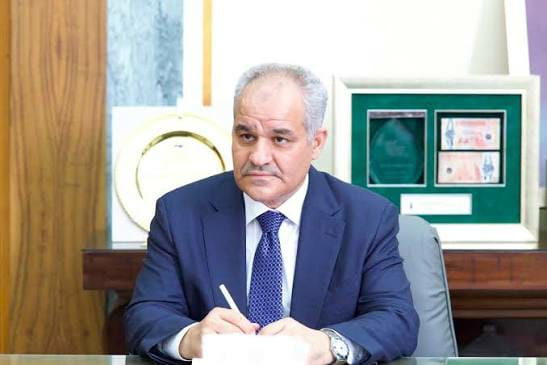
Libya’s central bank governor has resigned without giving a public explanation, raising fresh questions about the country’s financial management and political stability.
The unexpected departure comes as Libya continues to face deep divisions between rival authorities and institutions. The central bank plays a crucial role in managing public finances, regulating the banking sector and overseeing the distribution of oil revenues, the country’s main source of income.
The governor’s resignation could increase uncertainty in financial markets and complicate efforts to maintain confidence in Libya’s currency and banking system. Businesses and citizens are likely to watch closely for signs of changes in monetary policy, foreign-exchange management or government spending.
Libya’s economy remains heavily dependent on oil exports, while political disputes have repeatedly disrupted production and public revenue. Disagreements over the control and allocation of oil income have also contributed to tensions between competing centres of power.
The central bank has previously been caught in wider institutional and political disputes. Rival claims over leadership and authority have raised concerns about the independence of monetary institutions and their ability to operate effectively.
Authorities are expected to announce an interim replacement while considering a permanent successor. The appointment process will be closely monitored, particularly by banks, investors and international partners seeking clarity over Libya’s financial direction.
The resignation also highlights the broader challenges facing Libya’s economy. Without political agreement and stronger institutions, the country will continue to face difficulties in managing its resources, improving public services and supporting private-sector growth.
For now, the absence of an explanation has added to the uncertainty. The new leadership will face pressure to reassure the public, preserve the stability of the banking system and protect the central bank’s role as an independent financial institution.
Africa Presents is a Pan-African digital magazine and monthly publication covering politics, business, economy, culture, tech, and the stories shaping Africa and its diaspora. Visit africapresents.com and follow @AfricaPresents for daily coverage and monthly themed magazine editions.







Leave a comment