

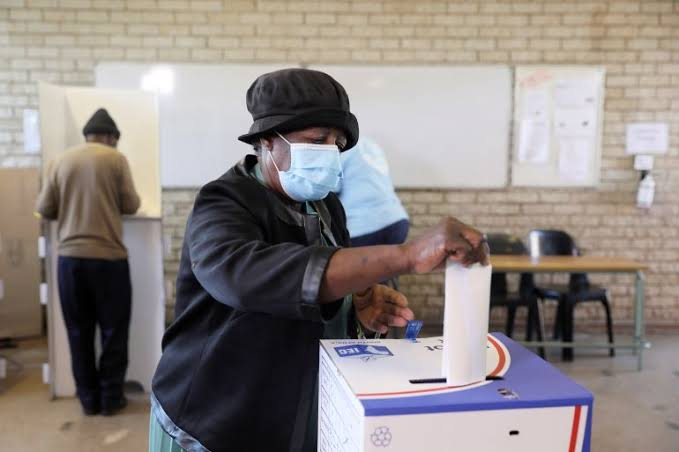
Zambians vote on Thursday, the 13th of August, 2026, in a closely watched presidential election that will test whether recent economic gains can offset frustration over the high cost of living in one of Africa’s most stable democracies. Incumbent Hakainde Hichilema faces Brian Mundubile, a former ally of the late President Edgar Lungu, who has surged to the front of a fragmented opposition after being backed by a coalition of rival parties. Up to 8.7 million voters, a majority of them women, will decide whether Hichilema’s economic reforms deserve another term or whether the opposition can turn widespread discontent into a comeback.
Hichilema is seeking re-election on a platform of economic revival, improved service delivery, and youth employment. He faces 13 other contenders. The election is a continuity of Zambia’s relatively outstanding history of conducting fairly credible democratic elections, with three peaceful transfers of power since 1991.
The macro picture favours Hichilema. He inherited a country in sovereign default in 2021, successfully completed a $13 billion debt restructuring under the G20 Common Framework, and restored GDP growth to a projected 5% in 2026. Inflation has fallen to 6.5%, its lowest in more than eight years.
But voters are more likely to prioritise social and economic concerns such as the rising cost of living, unemployment, and unreliable electricity supply. In 2024, approximately 72% of citizens reportedly had either no or irregular access to electricity. The macro recovery and the lived experience are telling different stories, and that gap is where Mundubile’s campaign is landing.
Zambia’s 2026 elections test whether democratic and economic reforms can withstand shrinking civic space. There is a danger that voters see the August election outcome as shaped by legal manoeuvring rather than the ballot. Observers have noted growing restrictions on dissent and a narrowing political space that has given credibility to some of Mundubile’s claims about electoral fairness.
Zambia has changed governments peacefully at the ballot box three times since 1991. Thursday is the test of whether that record holds, and whether the country’s democratic reputation proves more durable than its economic anxieties.
Africa Presents is a Pan-African digital magazine and monthly publication covering politics, business, economy, culture, tech, and the stories shaping Africa and its diaspora. Visit africapresents.com and follow @AfricaPresents for daily coverage and monthly themed magazine editions.







Leave a comment