
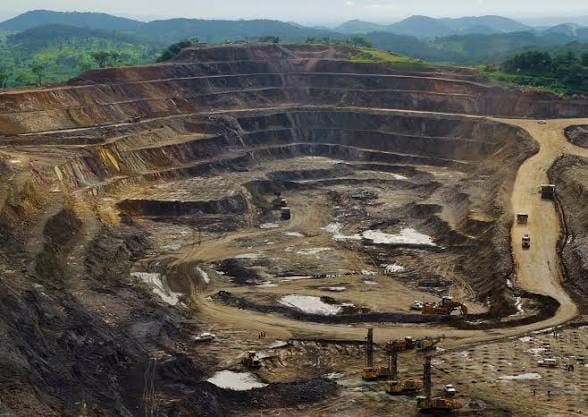
The Democratic Republic of Congo (DRC) has banned exports of copper and cobalt concentrates in a major escalation of its drive to force domestic processing and retain more value from its vast mineral resources, according to a new government order.
The June 29th order, signed by Mines Minister Louis Kabamba Watum, Foreign Trade Minister Julien Paluku Kahongya, and Economy Minister Daniel Mukoko Samba, states that “the export of copper and cobalt concentrates is prohibited.” The ban takes effect immediately, while a new by-product tax regime has a three-month transition period. The Mines Minister may grant one-year export waivers under strategic circumstances.
The DRC is the world’s largest cobalt producer and second-largest copper supplier globally. The mining sector accounts for roughly half of the country’s GDP, estimated at $10.9 billion.
Most of the DRC’s copper already leaves the country in refined form, primarily as cathodes. Official figures for the first quarter of 2026 show exports of 696,725 tonnes of copper cathodes compared to just 53,926 tonnes of copper concentrates. Analysts said the ban is therefore unlikely to severely disrupt most mining companies, since the bulk of copper and cobalt is already processed domestically.
The new order supersedes a previous 2023 regulation and its exemptions, and introduces a broader set of rules covering mineral exports and the taxation of mining by-products. Similar restrictions were implemented in 2013, 2019, and 2023, often accompanied by temporary authorisations when local processing capacity was limited.
Major operators in the DRC include China’s CMOC, the world’s largest cobalt producer, Glencore, Huayou Cobalt, Zijin Mining, Ivanhoe Mines, and Eurasian Resources Group.
The DRC’s move reflects a growing continental pattern. Guinea has banned bauxite raw exports, Zimbabwe has restricted lithium ore shipments, and Tanzania has moved against unprocessed gold. The policy aims to incentivise mining companies to market and export higher-value processed mineral products rather than unrefined concentrates, building industrial capacity and retaining economic value in the countries where the minerals are extracted rather than the countries where they are refined.
Africa Presents is a Pan-African digital magazine and monthly publication covering politics, business, economy, culture, tech, and the stories shaping Africa and its diaspora. Visit africapresents.com and follow @AfricaPresents for daily coverage and monthly themed magazine editions.
Trending
- Rwanda to Bring Formula 1 Back to Africa With New Grand Prix From Early 2030s
- Angola Gains Sovereign Satellite Connectivity as Q-KON and SISTEC Launch Luanda PoP
- Africa’s Youth Network Expands as 13 New World Food Forum Chapters Launch
- African Markets Deepen, But Thin Trading Still Limits Capital Access
- TotalEnergies Backs Africa’s Right to Shape Its Own Energy Future
- US Moves to Counter China’s Grip on Africa’s Telecom Networks
- Egypt Bets on Rail to Shield Trade From Suez Canal Disruption
- Africa’s Cancer Fight Needs Better Data Before AI and Precision Medicine Can Work
- WAUG 2026: Sports Bring West African Universities Together in Ile-Ife
- AfDB and Family Bank Unlock $10m in Foreign-Currency Trade Finance for Kenyan Businesses
- Sagal Abdi-Wali Takes Holborn and St Pancras Seat, Making Housing Her Priority
- Flutterwave and EbonyLife Bring African Culture and Payments Together in London
- Dangote Refinery Extends IPO to October 27th to Widen African Investor Access
- Kabila Takes Lead of New FRN Coalition as AFC/M23 Reorganises
- Israel Flight-Crew Restrictions Could Affect Crew from 10 African Countries
- Kipchoge Ends Three-Year Marathon Wait With Record Melbourne Win
- Kibera Turns Plastic Waste into Chess Sets, and into New Opportunities for Children
- Adesina Calls for Africa to Turn Its Resources into Productive Industries
- Mozambique Warns Illegal Gun Holders as December Amnesty Deadline Approaches
- Achi and Banda Call for Competent, Inclusive Leadership in Africa
- African Bar Association Hails Navi Pillay’s Nobel Peace Prize as Tribute to Justice
- Museveni Tells African Defence Chiefs: Security Must Serve Development
- Afreximbank: AfCRA Must Define Its Own African Standards for Credit Ratings
- Infantino Pledges More FIFA Resources to Lift African Football to Global Summit
- ITU: Enabling Policies Key to Unlocking Africa’s ICT Investment Potential
- Zambia Signs $1.5bn US Health Deal After Stripping Data-Sharing Clauses
- Africa’s $75bn Risk Premium: A “Trust Tax” Draining Development Finance
- South Africa Enters Race to Host Africa’s First Olympics in 2036
- West African Leaders Turn to Private Sector to Drive Regional Investment and Jobs
- African Food Regulators Unite to Tackle Cross-Border Food Safety Threats
- West African Countries Roll Out Digital Platform to Track Demographic Dividend Progress
- CAF’s Coaching Drive Pays Off as Africa Looks to Build a Stronger Technical Future
- Africa Launches Its Own Credit Rating Agency to Reshape Debt Markets
- AfDB and ODI Global Partner to Cut Africa’s Cost of Capital
- Africa Gains Direct Access to Next-Generation Weather Satellite Data
- Messi Signs Off in Tears as Argentina Beat Benin 3-0 in His Final Match
- Benin’s Wadagni Secures Nearly €100m in Paris as He Meets Macron on First Official Visit
- Guinea Frees Opposition Leader Aliou Bah in Independence Day Pardon
- Nigeria Emerges as Africa’s Biggest Investability Gainer in 2026 Bloomberg Ranking
- Luanda Biennale to Put Water Governance at the Heart of Africa’s Peace Agenda
- Gabon’s Education Minister: “Education Is the First Pillar of African Sovereignty”
- Africa’s Leaders Call for Investment and Governance to Power a Stronger Digital Economy
- African Leaders Push for Faster Integration and Economic Transformation at AU Mid-Year Meeting
- Benin Nears Return to Global Oil Market With First Sèmè Crude Cargo in 28 Years
- African Leaders Set 2027 Deadline for New Investment Platform to Boost AUDA-NEPAD Funding
- EU Unveils New Funding and Projects to Empower Nigerian and African Artists
- Ghana’s Freezy Macbones Dethrones Appah to Claim WBO Africa Light-Heavyweight Title
- AU Calls for Restraint as Ethiopia, Eritrea and Egypt Slide Toward Diplomatic Rupture
- Luanda Summit to Drive Africa’s Financial Integration and Domestic Capital Mobilisation
- Salako: Africa Must Build Intelligent Health Infrastructure Before Rolling Out AI
- Stablecoins Emerge as African Businesses’ Answer to Cross-Border Payment Delays
- ECOWAS Warns West Africa Faces Escalating Cross-Border Security Threats
- Mnangagwa Touts Economic Gains but Warns Zimbabwe Faces New Drought Threat
- Burkina Faso Inaugurates First Gold Refinery to Capture More Value at Home
- Ethiopian Airlines Orders 10 Boeing Freighters to Expand Cargo Fleet
- Finland Throws Weight Behind African Seats on UN Security Council
- Abuja to Host 1,800 Delegates for Second African Raw Materials Summit
- Benin Secures €500m in Landmark Financing Backed by African Development Fund
- ECA Mobilises West African Firms to Unlock Rice Value Chains
- Dangote Pledges Additional $50 Billion to Drive Africa’s Industrialisation
- Africa’s Space Sector Shifts from Policy to Practice
- FAO Calls for Bigger Push on Agroecology to Boost Africa’s Food Security and Climate Resilience
- Grey Broadens African Payout Network as Cross-Border Payments Surge
- Sub-Saharan Africa’s Research Boom Is Leaving Industry Behind
- Could the CAR–Kribi Iron Ore Corridor Become the Next Major Source of Capesize Demand?
- Kganyago Warns Cyberattacks Could Trigger Next Financial Crisis, Urges Stronger African Guardrails
- TEF Says It Has Backed More Than 27,000 African Entrepreneurs Since 2015
- Ruto Hails Dangote Refinery as “Masterpiece” Ahead of Lamu Project
- NGO Calls for “Speech to Action” Diplomacy as African Leaders Gather at UNGA
- Africa and Gulf Ministers to Forge Action Plan on Labour Mobility in Dar es Salaam
- Gabon Champions African Digital Priorities Ahead of ITU PP-26
- ECOWAS Court Pressed to Become Africa’s Commercial Dispute Hub
- Niger Strikes New Uranium Deal with Australia’s Atomic Eagle
- Road to AFCON 2027 Begins as Africa’s Heavyweights Enter Qualifiers
- Davido and Rema Top First Wave of Afro Nation Portugal 2027 Line-Up
- Nigeria’s Bid for Permanent UNSC Seat Faces Stiff African Rivalry
- Voter Apathy Dominates Morocco’s 2026 Parliamentary Election
- Veritas University to Stage 2026 Pan-African Universities Debate Championship in Abuja
- AfDB Approves $34m Loan for Seychelles Reforms
- President Ruto Calls for Overhaul of Global Finance to Unlock Africa’s Capital
- Kiir Dissolves South Sudan’s Transitional Government Ahead of Contested December Poll
- Nigeria Now Africa’s Fourth-Largest Aviation Market, FAAN Says
- China and African Partners Push TVET Transformation with Digital Learning
- ECOWAS Parliament Warns Climate Crisis Is Fueling Displacement and Insecurity
- APRA Honoured with Inaugural Africa PR Legacy Award
- Guterres: Africa’s Minerals Must Create Local Jobs, Not Just Exports
- AU Seeks Permanent UNSC Seats and Stronger Global Voice at UNGA
- African Central Banks Hold the Line on Rates to Guard Against Shocks
- ANC Riven by List Disputes and Factional Battles Ahead of Local Elections
- MCB Completes Africa’s First Electronic Bill of Exchange Under Mauritian Law
- Sahara Group Calls for Climate Finance Surge to Close Africa’s $247bn Gap
- Ethiopia Shifts From Vision to Execution as PM Unveils Seven Mega-Projects
- Nigeria’s Africa Exports Hit N10.72tn, But “Naira Illusion” Masks Reality
- How Israel and Morocco Are Remaking North Africa’s Strategic Map
- Oil Operations Linked to Pollution and Crop Failures in Congo’s Kouilou
- MTN Media Fellowship Is Quietly Reshaping Nigeria–South Africa Ties, Fellows Say
- Ramaphosa Steps Back from Public Duties After Falling Ill Post-BRICS
- ECOWAS Biometric Card Set to Simplify West African Travel, Officials Say
- Russia in Africa: Policies, Systems and the Price of Partnership
- Lusophone African Countries Step Up Emergency Medical Readiness
- African Civil Society Calls for Overhaul of Donor-Designed Aid System
- ECA and DHL Partner to Boost African SMEs’ Cross-Border Trade
- New Partnership between Korea and Africa put AI and Digital infrastructure at the Centre.
- ACCORD Takes Part in 5th Continental Dialogue on Youth and Women, Peace and Security in Africa
- Oneremit Says It’s Redefining Success in African Cross-Border Settlement
- Africa’s Youth Elite Converge in Abidjan for 2026 CAHB Men’s Youth Handball Championship
- Dangote Set for $23bn Fortune Jump in Africa’s Biggest IPO
- Guinea and Ivory Coast Pledge Deeper Ties in Security, Trade and Politics
- Nigeria Aims to Lead African Defence Manufacturing, Says DICON-D7G CEO
- High Costs and Safety Gaps Are Holding Back African Aviation Integration
- ATU Brings Industry Into Africa’s WRC-27 Spectrum Talks
- Ceuta: Morocco Denies Any Role in Mass Migrant Crossing
- Chinese Electric Motorcycle Imports to Africa Jump 60%
- Devex Invested; Africa’s $5B Oil Bet and a $5B Shield
- 9/11 Still Shapes Africa’s Migration, 25 Years On
- UN Hails Libyan Deal Paving Way for Elections Within Two Years
- Mali’s Information War Is Increasingly Shaped by AI
- Experts Urge African Leaders to Close Gap Between Policy and People’s Lives
- EU Boosts Africa Initiatives, Targets Entrepreneurship
- Can Africa Take Ownership of the AU–US Infrastructure Deal?
- AU Chairperson Calls for Unity and Action on African Union Day
- Ballon d’Or 2026: Here Are the Africans That Got Nominated
- Senegal Lawmakers Challenge Prime Minister Lo Over IMF Deal
- CCDA-XIV: Negotiators Chart Four-Pillar Path to Genuine African Climate Agency
- France Deepens African Space Ties as Europe Pursues Strategic Autonomy
- US Imports More Congo Copper as Consumer Acceptance Grows
- UK Appoints Alastair Long as Trade Commissioner for Africa to Deepen Ties
- Carbon Credit Financing Becomes Africa’s Top Bet for Scaling Clean Cooking
- African Parliaments Forge Common Front on Security, Climate and Migration
- Niger Signs Deal for Country’s Largest Solar Power Plant
- Nigerian-Built Otiya Brings Interactive Learning to a Global Audience
- Ten African Countries Sign Pact to Strengthen Cross-Border Health Security
- Dangote Says Refinery IPO Will Open Within Days
- UN Set to Vote on New World Map That Shows Africa’s True Size
- Guinea-Bissau Voters Back New Constitution Expanding Presidential Powers
- Global Initiative Launched to Improve Access to Monkeypox Vaccines
- Uber Exits Nigeria After 12 Years as Costs and Competition Bite
- Senegal and IMF Reach Staff-Level Agreement on $2.2 Billion Loan Programme
- Xi Jinping Begins Egypt State Visit with Focus on Energy and AI
- Africa Requires $200 Billion Annual Energy Investment, Says IPPG
- Shoprite Reports Strong Payout as Vida Acquisition Boosts Growth
- MTN, UJ and TAEF Welcome 42 Journalists to Pan-African Media Programme
- Zambia’s Hichilema Begins Second Term as Rival Faces Treason Charges
- African Medicine Day 2026: Advancing Access to Health for All
- Asian Diesel Exports to Africa Rise as Middle East Supply Declines
- African Leaders Call on Youth to Drive Continental Development
- Only Nine African Countries Back Borrowers’ Platform Amid Debt Concerns
- African Union and World Bank Launch New Integration Initiative
- Yaya Touré Makes History as First African Coach in Champions League
- Senegal’s Teranga Pharma Produces Africa-Made Sickle Cell Treatment
- Ethiopia’s Health Minister Elected to Lead WHO Africa Committee
- Kenyan Farmers Turn to Insect-Based Fertiliser to Restore Degraded Soil
- African Leaders Push for Stronger Tax Systems and Better Development
- Tanzania’s Vice President Resigns Amid Leadership Transition
- African Health Ministers Unite on Continent’s Health Challenges
- Africa Sets Agenda for Minerals Summit in New York
- Uganda’s Proposed Gaza Stabilisation Role Triggers African Debate
- Moscow to Host Third Russia–Africa Summit in October 2026
- Africa’s Space Race: SANSA and NASRDA Deepen Cooperation
- Shades of Life Takes Autism Awareness Ride Across West Africa
- Egypt Calls for Sustainable Epidemic Financing
- BRG Hosts Inaugural Arise Africa Summit
- New Protests in Tunisia Demand President Kais Saied’s Removal
- Kenya Government Recognises Africa’s Next Supermodel Initiative
- Africa Unites to Accelerate Great Green Wall Investment
- China Urges Africa to Maximise Zero-Tariff Trade Opportunities
- Senegal Opposition Urges President to Set Date for Local Elections
- Angélique Kidjo Makes History With Hollywood Walk of Fame Star
- Africa Records Strongest Participation Yet at UN Geospatial Information Session
- Liberia Agrees to Receive Up to 1,200 US Deportees Under Migration Deal
- Terra Industries Raises $52 Million to Take African Defence Technology Global
- Afreximbank Completes Record $1.5 Billion Bond Issuance
- EU Releases €2.3 Million to Fight Cholera in West and Central Africa
- AfCFTA and E-Commerce Drive New West African Logistics Expo
- Klasha and EasyTransfer Partner to Solve African Students’ Tuition Payment Problem
- AfDB, Italy’s CDP Invest $35 Million in North African Businesses
- Mastercard and TeamApt Partner to Expand Digital Payments for African Businesses
- Nigeria’s Muslim and Christian Leaders Sign Fresh Peace Accord
- IFC Commits $25 Million to Help Jumia Expand E-Commerce Across Africa
- Korea–Africa Conference Seeks Deeper Economic Cooperation
- Sidi Bou Said Celebrates UNESCO Recognition as Cultural Heritage
- Six African Countries Back Precautionary Pause on Deep-Seabed Mining
- Financial Times Unveils Africa Summit 2026
- RSF Claims Strategic Victory in Sudan’s Blue Nile Region
- Cocoa Prices Fall as Favourable West African Weather Boosts Supply Outlook
- Africa50 Raises New Capital to Speed Up Infrastructure Development
- AI Now Powers More Than Half of Africa’s Cybercrime, Interpol Warns
- US Senate Extends AGOA Until 2028, Giving Africa’s Exporters Two More Years of Certainty
- Madagascar Moves to Reclaim Colonial-Era Land in Sovereignty Drive
- Libya’s Central Bank Chief Resigns Amid Political Uncertainty
- Tanzania’s Tundu Lissu Back in Court as Treason Trial Resumes After Five Months
- Nigeria’s NDPC Hosts Nine African Nations to Build Continent-Wide Data Protection Network
- Zambia Votes Thursday as Hichilema and Mundubile Fight for the Presidency
- Morocco and Algeria Secure Early Spots in Race to 2027 FIFA Women’s World Cup
- Nigeria’s FDI Surges 148% as African Investment Falls
- Ivory Coast Celebrates the Djidji Ayôkwé’s Return After 110 Years in France
- Godofreda Launches Initiative to Link African Traders with Manufacturers
- DRC Bans Copper and Cobalt Concentrate Exports in Major Value-Addition Push
- Sierra Leone’s Ex-President Returns After Two Years in Exile Thanks To ECOWAS
- Gabon Emerges as Investors’ Preferred African Debt Bet
- Mohamed Salah Lands in Istanbul as Trabzonspor Move Nears Completion
- SIGNIS Africa Elects New Leadership at Kigali Congress
- Africa’s Maritime Investment Opportunity Faces Growing Risks
- Cameroon’s President Rules by Decree From Geneva as Two-Month Absence Fuels Uncertainty
- Cape Verde’s Bubista Joins RS Berkane After Impressive World Cup Campaign
- Port Harcourt International Marathon 2026 to Draw 10,000 Runners From Across Africa
- Mayor of Melilla Urges Morocco to Create 500-Meter Neutral Zone at Border
- Africa Bears Heavy Burden of Biodiversity Loss, UN Report Warns
- The UAE’s Imperial Push Into Africa
- Washington Signals Renewed Africa Commitment at Luanda Defense Conference and Addis Trade Summit
- UN Tax Summit: Africa and Asia United Against Global Rules That Have Failed Developing Nations
- Egypt’s Central Bank Launches Africa’s First Financial Stability Digital Portal for 40-Nation Network
- Nigeria Finishes Seventh at Glasgow 2026 Commonwealth Games, Africa’s Top Nation
- World Public Summit Closes in Addis Ababa With Call for Human-Centred African Leadership
- Guinea Becomes First ECOWAS Member to Reject the ECO Single Currency
- Africa’s Congo Basin, Vital to Earth’s Climate, Is Critically Understudied
- Oprah Winfrey to Close South Africa Girls’ Academy in 2027
- South Sudan’s President Kiir Dismisses South Sudan’s Central Bank Governor for Third Time in Four Years
- Ghana Backs Five-Year Presidential Term in Constitutional Reform Shift
- NADF Advocates Demand-Driven Research to Transform Africa’s Agriculture
- DRC Constitutional Court Clears Referendum Path as Opposition Accuses Tshisekedi of Power Grab
- UN Security Council Unanimously Extends CAR Sanctions Through 2027
- First Person Vaccinated During Trial of New Ebola Jab
- Senegalese President Arrives for Talks with Junta Leader
- Algerian Parliament Elects Khalida Boufedeche Its First Woman Speaker
- Uganda Is Officially Ebola-Free After 42-Day Countdown Ends Without a Single New Case
- Equatorial Guinea and Gabon Move to Resolve 50-Year Island Dispute After ICJ Ruling
- ECOWAS Parliament Raises Alarm: 90% of West Africa’s Economy Is Still Informal
- AITEC World Pushes for Visa-Free Travel and Tourism-Led Integration Across Africa
- African Achievers Awards 16th Edition Celebrates Excellence and Leadership at House of Lords
- MTN CEO Ralph Mupita: Africa’s Future Lies in Integration, Not in Borders
- Ugandan Diplomat Olara Otunnu Joins Race to Lead the United Nations
- Climate Experts Warn ‘Super’ El Niño Could Cost Africa $10–$20 Billion
- Protesters in Togo Call for Return to 2024 Constitution After Opposition Rally
- Vodacom Ends High-Dividend Era as Safaricom Deal Fuels $300bn Africa Growth Push
- 42 African Nations Pledge to End Learning Poverty by 2035 at Lilongwe Summit
- Nigerian Aquaculture Expert Foluke Areola Becomes First African President of World Aquaculture Society
- CAF Boosts WAFCON Prize Money as Motsepe Shares AFCON 2027 Update
- Africa Launches ATLAS Network to Preserve Indigenous Languages Through AI
- CAF Confirms AFCON Expansion to 28-Teams in 2027
- ECOWAS ECO Single Currency: West African Leaders Reaffirm 2027 Launch
- AfDB Grants Côte d’Ivoire €200 Million to Produce Cleaner Fuels for West Africa
- Africa Has $4 Trillion in Domestic Savings. The Push to Redirect It Into Infrastructure Is Now Urgent
- Egypt Win Three Team Titles at 2026 ITTF Africa Youth Table Tennis Championships in Accra
- GCI Seeks Stronger Online Gambling Regulation in Africa
- Gabon Secures First Manganese Processing Commitment From France During Paris State Visit
- UNAIDS Chief Calls for “Radical Change” in How Africa Funds Its Health Systems
- Namibia Reaffirms Commitment to Africa’s Digital Future at ATU Conference in Abuja
- Sánchez Visits Algiers in First Trip in Four Years as Spain and Algeria Chart a New Chapter
- Morocco Prepares for 2030 FIFA World Cup with Major Hotel Expansion
- WHO Urges Africa to Break Barriers to Hepatitis Care
- Maersk Returns West Africa Service to Red Sea, Cutting Weeks Off Transit Times
- ECOWAS Condemns Xenophobia: Nigeria Leads Call for Continental Action
- Montreal’s Nuits d’Afrique Marks 40 Years as North America’s Largest Pan-African Music Festival
- Spain Are The World Cup Champions: Ferran Torres’ Extra-Time Strike Ends Argentina’s Dream
- ECOWAS Gives the Green Light to Africa’s Most Ambitious Energy Project
- Luchia Travels Cements Its Position as a Leading African Travel Brand
- ATU Calls for Unified African Action as Nearly One Billion People Remain Offline
- Africa Loses $7 Billion Every Year to Medical Tourism. The Continent Is Done Watching.
- Victims’ Groups Condemn Macky Sall’s Return to Dakar as Former President Seeks Support for UN Bid
- African Development Bank Approves $110 Million for Ethiopia’s Largest Wind Power Project
- French PM Lecornu Arrives in Rabat for Talks Amid Diplomatic Reset
- AfCFTA Backs Nigeria’s Customs Platform to Build Africa’s First Interoperable Trade System
- Uganda Discharges Last Ebola Patient, Starting a 42-Day Countdown to Virus-Free Status
- Africa’s First White Head of State in Decades, Guy Scott, Dies at 82
- African Risk Capacity Confirms David Maslo as Permanent CEO
- Africa Risks Losing Out in Renewable Energy Boom
- Airtel Africa to Extend Free Internet Access to 5,000 Schools Across Africa
- UN Warns Terrorist Threat Is No Longer Contained to the Sahel
- AEC 2026: Africa Closes Abidjan Conference With Call to Build Its Own Economic Strength
- Libya Rival Military Chiefs Meet to Discuss Reunifying Armed Forces
- China Pledges Full FOCAC Implementation as Africa Pushes for Equal Partnership
- Nyaho-Tamakloe Urges GFA to Keep Queiroz as Black Stars Coach
- Ethiopian Airlines Launches Direct Addis Ababa-Mauritius Route After a Decade of Trying
- Detroit’s African World Festival Marks 43 Years at Hart Plaza
- EAAIF Backs Egypt’s 1GW Minya Solar Project in One of Africa’s Biggest Clean Energy Deals
- Peter Obi to Africa’s Diaspora: Your Voice Matters and You Should Use It
- Nigeria Invites 44 Players to Camp Ahead of African Junior Volleyball Championship in Egypt
- The IMF, the World Bank, and the Hidden Cost of Borrowing in Africa
- Senegal Court Dismisses Bill to Limit Presidential Powers
- World Cup 2026: Morocco Exit With Pride as France End Africa’s World Cup Quarter-Final Dream
- IMF Lowers Global Growth Forecast Amid Geopolitical Tensions
- Tanzania Purchases 28 Tons of Gold Over 18 Months
- Lavrov Visits Niamey as Russia and Sahel Alliance Deepen Military and Diplomatic Ties
- African Development Bank Group and Germany Advance Development Finance Reform Agenda
- Russian Foreign Minister Lavrov Kicks Off Africa Tour With High-Level Talks in Ethiopia
- World Cup 2026: Argentina Survives Egypt’s Scare to Reach World Cup Quarter-Finals
- How the US-Iran War Is Reshaping Africa’s Geopolitical Landscape
- Dangote Confirms $17 Billion Refinery for Kenya’s Lamu Coast
- Nigeria’s Dr. Doro Appointed to African Humanitarian Agency Governing Board
- Customs and Afreximbank Expand Alliance to Fast-Track AfCFTA Trade Facilitation and Border Reforms
- Guinea-Bissau to Hold Referendum on Expanding Presidential Powers
- The World Cup the Greatest Never Won: Cristiano Ronaldo’s Final Chapter Ends in Dallas
- West Africa’s Fishermen Are Losing Their Seas to Foreign Trawlers
- Uganda’s Coffee Export Earnings Fall 38% in May as Global Prices Slide
- Ebola Response Expands as Second Treatment Centre Opens in North Kivu
- Nigeria Leads Africa for Third Consecutive Year With 89 EU Erasmus Scholarships
- World Cup 2026: Colombia End Ghana’s World Cup Run to Reach the Round of 16
- World Cup 2026: Morocco Beat Canada 3-0 to Reach World Cup Quarter-Finals
- Cape Verde’s World Cup Team Returns Home to a Hero’s Welcome
- Amazon-Backed Carbon Project to Create 11,000 Jobs in South Africa’s Eastern Cape
- World Cup 2026: Algeria Exit World Cup In Match Against Switzerland
- Nigerian Talking Drummer Kira Africa Showcases African Culture in Scotland
- Mali Ratifies AfDB Loan to Strengthen Bamako’s Electricity Supply
- Mali, Burkina Faso, and Niger Begin Year-Long Process to Leave the ICC
- African Union Convenes Second Pan-African Conference on Girls and Women’s Education
- World Cup 2026: England Survive Stiff DR Congo Challenge as Kane Delivers Late Winner
- Google Bets $90.6 Billion on Africa’s AI Future at Inaugural Cloud Summit
- 2026 World Cup: Senegal’s World Cup Dream Dies in Seattle as Belgium Stage Stunning Comeback
- Zimbabwe Parliament Approves Bill to Extend Presidential Term to 2030
- UN Warns Ebola Outbreak Could Cost Africa $3.6 Billion
- Switzerland Returns 18 Benin Bronzes to Nigeria After 129 Years
- World Cup 2026: Haaland’s Late Strike Ends Ivory Coast’s World Cup Dream as Norway Reach Round of 16
- Gnaoua Festival 2026: Morocco’s Essaouira Celebrates Africa’s Musical Soul
- Foreigners Stranded, On Edge as Anti-Immigrant Protests Rock South Africa
- Guinea PM Rejects China “Debt Trap” Label, Says Africa Must Own Its Choices
- DRC Opposition Leader Delly Sesanga Banned From Leaving the Country
- Egypt Gets Issued JPY 80 Billion Samurai Bond Backed by $620M AfDB Guarantee
- Kenyan Banks Outmuscle Foreign Competitors as Nedbank Eyes NCBA Takeover
- One Year After Washington Deal, Peace in Eastern DRC Remains Just 35% Implemented
- World Cup 2026: South Africa’s World Cup Run Ends due to Canada’s Stoppage Time Strike
- CAF’s Motsepe Hails Africa’s Record 9-Team World Cup Knockout Run
- Ramaphosa Vows Firm Response Ahead of South Africa’s Anti-Migrant Marches
- Maputo Protocol Faces New Challenge From Proposed “Family Values” Charter
- World Cup 2026: Ivory Coast Reach World Cup Knockout Stages for First Time After Beating Curaçao
- Nairobi to Expand Airport Capacity Under $1.2 Billion China Road and Bridge Deal
- Intra-African Trade Hits $213.8bn as Afreximbank Confirms 5.5% Rise
- Tunisia’s RoboCare Secures Funding to Scale AI Farming Across Africa
- PwC: African Family Businesses Show Resilience and Drive Growth Despite Uncertainty
- Tinubu Says Africa Holds the Key to the World’s Industrial Future
- World Cup 2026: South Africa Reaches World Cup Round of 32 for the First Time in History
- Africa’s SDG Sprint: What HLPF 2026 Must Deliver
- China Pledges Deeper Africa Ties With Zero-Tariff Trade Deal
- IMF Says Africa Must Look Inward as Foreign Aid Falls Fast
- Lungu Family Wins Right to Bury Former Zambian President in South Africa
- Libya’s Eastern Government Bans Entry From Sudan, Eritrea, Ethiopia, and Somalia
- How the Internet is Rewriting African Identity(Unpacking the global perspective of Africa and Africans, differentiating what is true from what isn’t, correcting misconceptions about Africa)
- Addis Ababa to Host First World Public Summit in Africa
- Lusaka to Host Africa Creative Market Summit 2026
- Nigeria’s SEC Signs Pact With Rwanda to Boost African Capital Market Integration
- World Cup 2026: Senegal’s hopes hang by a thread after 3-2 defeat to Norway
- Africa’s Child Surgery Crisis Deepens as Halothane Anaesthetic Supply Nears Total Collapse
- World Cup 2026: Tunisia Becomes the First African Nation Eliminated After 4-0 Loss to Japan
- From Liberation To Leadership: Have Africa’s Independence Dreams Been Fulfilled?
- Africa’s Contribution to Global Trade and Economic Development (Economic Freedom, Continental Sovereignty and Debt Management)
- Ford Foundation’s Aniagolu-Okoye Urges Africans to Embrace “Positive Tribalism” for Development
- World Cup 2026: Teboho Mokoena’s Late Penalty Earns South Africa 1-1 Draw With Czechia
- FAO Urges Africa to Scale Up Fish Farming as Aquaculture Demand Outpaces Supply
- Day of the African Child 2026
- Africa’s Health Financing Crisis Sparks a Push for Domestic Funding and Self-Reliance
- France vs Senegal FIFA World Cup 2026: Can the Lions of Teranga Repeat the Greatest Upset in African Football History?
- Abdullah Ibrahim, South African Jazz Pianist and Anti-Apartheid Icon, Dies at 91
- UN Secretary-General Appoints Africa Adviser to Strengthen Policy Coordination
- World Cup 2026: Ivory Coast Beat Ecuador 1-0 Thanks to Amad Diallo’s Last Minute Score
- Nigeria’s Democracy Day: 27 Years On, the Promise Is Still Worth Fighting For
- Mexico Defeats South Africa 2-0 in World Cup 2026 Opener
- AfCFTA Projects $250 Billion in Intra-African Trade for 2026: AfCFTA Secretary-General
- Kenya Becomes First African Country to Secure Climate Loss and Damage Funding
- IMF Authorizes $250 Million Credit Facility for Rwanda
- ECOWAS Regional Cybersecurity Hackathon 2026 brings Together West Africa’s Best Young Talent in Accra
- 2026 FIFA World Cup Travel Ban: How US Visa Restrictions Are Locking Out African Fans
- Ramaphosa Announces South Africa’s Immigration Crackdown: New Measures, No Xenophobia
- Tunisia’s Migration Crisis Deepens as Protesters Demand Deportations and UNHCR Exit
- Namibia’s former First Lady Delivers Workforce Challenge to African Universities at FUNAAB Visit
- The Rankings Are In: These Are Africa’s Best-Performing Nations in 2026
- The First London-Africa Business Summit Marks a New Chapter in UK-Africa Relations
- Washington’s Forced Labour Tariffs Are Coming for Africa
- Africa Now Has a Seat at the Table of Global Payment Security
- YouSend Is Transforming the Way People Send Money Back Home.
- Morocco Shows How the Future of African Football Is Taking Shape
- US Slashes Visa-Processing Embassies in Africa from 50 to 20
- Bafana Bafana’s World Cup Dream Almost Ended Before It Began
- Beyond the Rankings: What Dangote’s Brand Dominance Says About Africa’s Economic Rise
- Don’t Touch the Central Bank: Lagarde’s Warning to the World
- Africa’s Startups Are Building a New Funding Playbook
- AFRIMA and the AU Bring the Diamond Party to Lagos
- Africa Is No Longer Just Playing…It Is Building the Game
- 12 of world’s top 20 fastest-growing economies in Africa
- African Development Bank Unlocks $20 Million to Open Global Trade for Zambia’s Small Businesses
- Children’s Day: National Theatre to Host Africa’s Largest Children’s Production
- Africa Day 2026: A Continent Celebrating How Far It Has Come
- Trump Welcomes Nigeria’s Envoy Lateef Kayode, Signals Stronger US–Nigeria Ties
- Iran-US Negotiations Trigger Fresh Volatility in Oil Markets
- Keeping the Legend Alive: Latoya Ekemode Takes Orlando Julius’ Legacy on Tour
- Africa Responds Urgently as Global Malaria Funding Declines
- Togo Just Made It Easier to Be African in Africa
- Washington Backs 1,500 Base Stations Across West Africa — But This Is About More Than Connectivity
- She’s Online, She’s Building, and Africa Is Still Not Paying Attention
- The $21.8 Billion Lifeline: How Africa’s Diaspora Is Holding the Continent Together
- Dangote Bets $4 Billion on Africa Feeding Itself
- Ebola Crisis in the DRC and Uganda: US Mobilises $13 Million
- Government Magic: Nigeria’s Looters Built Empires in Plain Sight. The EFCC Is Finally Tearing Them Down.
- Together We Make History: Why AFCON PAMOJA 2027 Could Redefine African Football Forever
- Nairobi Hosted Africa’s Biggest Diplomatic Moment of the Year. Here’s What Came Out of It.
- We Don’t Want Extractors’: Tinubu’s Africa First Push and the Continent’s Wealth Problem
- Pan-African Unity: Why Registration and Documentation Are the Path to a United Africa
- Tragic Recovery of Missing Florida Soldier in Morocco
- Africa’s Fintech Boom: Leveling Up from Payments to Credit and Full Financial Services
- Africa Trading with Itself: How a $230 Billion Boom Is Reshaping the Continent’s Future
- Beyond Payments: Why Africa’s Next Wave of Tech Is Building the Intelligence Layer for Creators
- East African Leaders Ignite Trade Revolution with Unified Customs Bond
- African Startup Funding Jumps 56% to $272 Million; A Signal That the Continent’s Innovation Engine Is Far From Stalling
- African Union adopts a landmark resolution describing slavery, deportation and colonial rule as genocide and crimes against African peoples.
- DR Congo Votes: Democracy and the Future of a Nation
- Fueling the Grassroots: Africa’s Business Heroes Launches 8th Edition
- The Global Shift: How Africa is Rewriting the Rules of the Global Economy
- Global Conflict, Local Consequences: Why Africa Could Feel the Economic Impact of the Middle East War
- E.J. Anosike: Carrying Nigeria Into The World
- Bridging the Gulf: Ramaphosa’s Vow to End Racial Wealth Apartheid in South Africa
- Zimbabwe’s Bold Raw Minerals Export Ban: A Game-Changer for Africa’s Resource Sovereignty
- Youth Unemployment Crisis in Africa
- BAFTAs 2026: A Night Where Global Storytelling and African Talent Took Centre Stage
- Maryam Bukar Hassan Makes History as First Nigerian to Carry Olympic Flag
- When Everyday Products Carry Cancer Risks
- Dangote Refinery Says It Can Exceed Nigeria’s Daily Fuel Demand
- Five Things You Didn’t Know About Airport Behaviour
- Stranger Things: The Series That Grew Up With Its Audience
- When Political Rallies was a Neighborhood Movement
- AFCON 2025: A Final Defined by Glory, Tension and Unfinished Questions
- Davido Rejects Paternity Claim, Says Multiple DNA Tests Already Cleared Him
- US Halts Visa Processing for 75 Countries, Nigeria Among Nations Affected
- Nigeria–UAE Deal Signals New Investment Gateway for Africa as Lagos Set to Host Investopia
- AFCON Semifinal Showdown with Morocco
- Africa’s Youth and the Sustainable Development Goals: Driving Change from the Ground Up..
- Canada Deports 366 Nigerians In 10 Months As Immigration Crackdown Intensifies By Ngozi Ibe
- Africa’s 2025 Outlook: Between Global Pressure and Local Ingenuity
Home
Economy and Finance
DRC Bans Copper and Cobalt Concentrate Exports in Major Value-Addition Push
Economy and FinancePolitics and Governance DRC Bans Copper and Cobalt Concentrate Exports in Major Value-Addition Push
 Joseph JohnstonAugust 7, 20261 Mins read104
Share





Leave a comment