

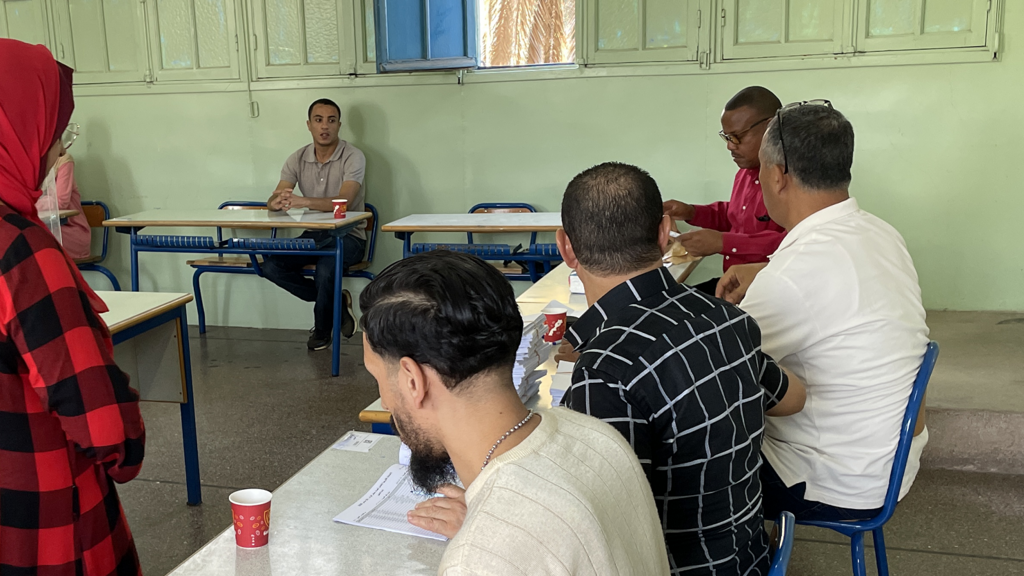
Morocco’s 2026 legislative elections have produced a new parliament amid a sharp drop in voter participation, with final turnout at 38.02 per cent, the lowest in nearly two decades and a steep fall from the 50.35 per cent recorded in 2021.
The interior ministry said about 15.8 million Moroccans were registered to vote, down from around 18 million in 2021, after roughly two million names were removed from the electoral rolls mainly due to deaths and changes of residence. Only about 4 per cent of registered voters were aged 18–24, while more than 29 per cent were over 60, underscoring a pronounced age imbalance in the electorate.
Wednesday’s 38.02 per cent turnout is just above the 36.8 per cent recorded in 2007, then the lowest in Morocco’s modern electoral history. The decline marks a clear break with the post-2011 reform period, when constitutional amendments and promises of greater parliamentary powers were expected to re-energise civic engagement.
Turnout updates during election day showed sluggish participation: 4.23 per cent by 10 a.m., 11.34 per cent by noon and 28.05 per cent by 5 p.m., before closing at 7 p.m. The final figure confirms a trend of growing abstention, with analysts describing non-voters as the “first party” in Moroccan politics.
The low participation comes against a backdrop of social frustration despite macroeconomic stability. Inflation has fallen from 6.6 per cent in 2022 to 0.8 per cent in 2025, yet many Moroccans report eroding purchasing power. Unemployment hovers around 13 per cent, with youth joblessness significantly higher, and demands for better schools, hospitals, housing and public services remain acute.
Surveys and civic reports indicate that urban residents and young people are the least likely to vote. One in five young Moroccans said they did not intend to vote in 2026, citing disillusionment with political parties, scepticism about the impact of their vote and disappointment with previous reform promises.
The election determines the composition of the 395-seat House of Representatives and will shape the next governing coalition. However, the legitimacy of the outcome is likely to be questioned by critics who argue that a parliament elected by less than four out of ten registered voters cannot claim strong popular mandate.
For the monarchy and political elites, the result raises difficult questions about the credibility of the electoral process and the effectiveness of political parties in connecting with citizens, especially the youth. Low turnout also complicates Morocco’s image as it prepares to co-host the 2030 FIFA World Cup, with authorities keen to project stability and inclusive governance.
Unless addressed through deeper political reforms, improved service delivery and genuine efforts to engage young voters, the pattern of abstention risks entrenching a cycle of disengagement that could weaken Morocco’s democratic trajectory in the years ahead.
Africa Presents is a Pan-African digital magazine and monthly publication covering politics, business, economy, culture, tech, and the stories shaping Africa and its diaspora. Visit africapresents.com and follow @AfricaPresents for daily coverage and monthly themed magazine editions.






Leave a comment