

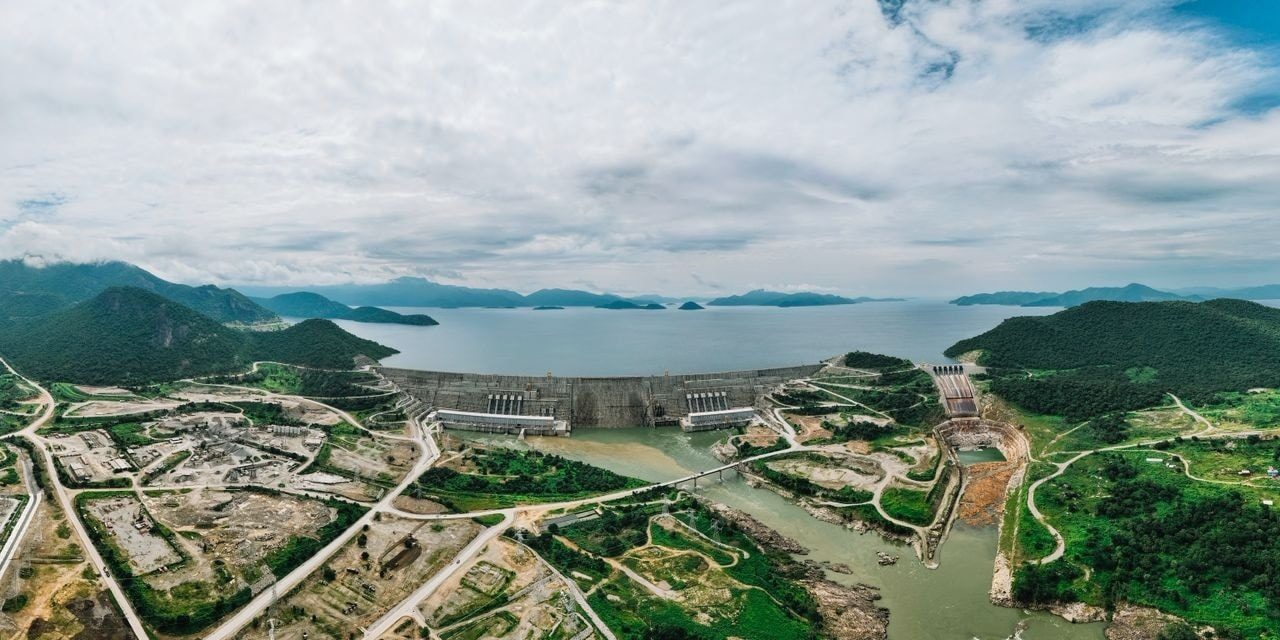
Ethiopia is moving from announcements to large-scale implementation, with Prime Minister Abiy Ahmed declaring the 2019 Ethiopian year (2026–2027 Gregorian) the start of a five- to six-year drive to deliver seven flagship national projects spanning energy, industry, infrastructure and housing.
Speaking during the Ethiopian New Year period in September 2026, Abiy said the country’s “resurgence is no longer a vision; it is carved into the GERD, the corridor developments, the Bishoftu Airport mega project, and our bold macroeconomic reforms.” He presented a new set of seven major initiatives designed to accelerate development and lock in gains from ongoing reforms.
The projects outlined by the Prime Minister include:
- A nuclear energy development facility, marking Ethiopia’s entry into advanced nuclear technology for power and research.
- Two gas plants to expand domestic gas processing and supply.
- An oil refinery to reduce dependence on imported petroleum products.
- Africa’s largest airport, centred on the Bishoftu (Debre Zeit) international airport mega-project, intended to make Ethiopia a continental aviation hub.
- A fertiliser production facility to support agricultural productivity and food security.
- Construction of 1.5 million homes nationwide as part of an ambitious urban and social housing programme.
The initiatives are planned for implementation over the next five to six years, with 2026–2027 positioned as the launch phase for practical execution.
Even as the new mega-projects take shape, the government is pointing to recent completions as proof that delivery is underway. On the 10th–12th of September, 2026, Abiy inaugurated the first phase of the expanded Mojo Logistics Center, a 60-hectare hub near Addis Ababa developed with Chinese contractor CCECC. The facility, with an initial capacity of around one million containers and modern rail cranes, is designed to strengthen Ethiopia’s role as a logistics gateway for the African Continental Free Trade Area (AfCFTA) and the wider region.
The Prime Minister described Mojo as a model for how Ethiopia intends to use corridors, dry ports and integrated transport to attract investment, lower trade costs and connect farmers and manufacturers to regional and global markets.
Abiy’s announcement ties physical infrastructure to broader economic reforms, including liberalisation in key sectors, efforts to secure debt relief and new partnerships under the BRICS framework. At the 18th BRICS Summit in India earlier in September, he pitched Ethiopia as a base for new industrial, mineral and renewable-energy collaborations across the bloc.
For the government, the message is clear: after years of setting out visions, the next phase will be judged by completed projects, operational plants and delivered homes. Whether Ethiopia can execute such an ambitious slate on time and within budget will be a key test of its reform agenda and state capacity.
Africa Presents is a Pan-African digital magazine and monthly publication covering politics, business, economy, culture, tech, and the stories shaping Africa and its diaspora. Visit africapresents.com and follow @AfricaPresents for daily coverage and monthly themed magazine editions.







Leave a comment