

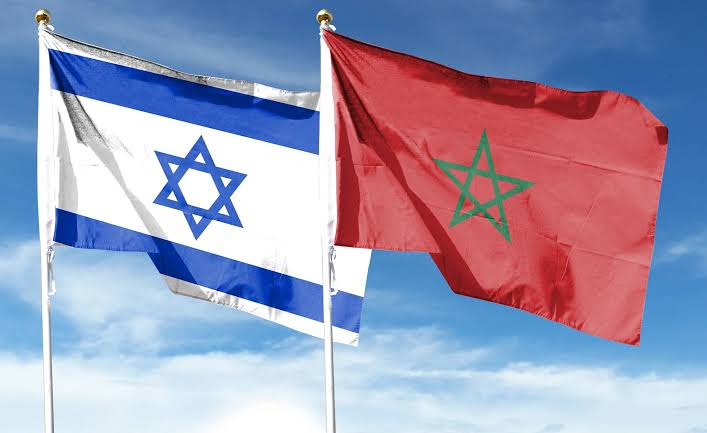
Israel and Morocco are quietly redrawing the strategic map of North Africa, upgrading their ties from symbolic normalization to a full-fledged partnership that spans embassies, advanced weaponry, intelligence sharing and regional diplomacy.
On 16 September 2026, during a US-backed meeting in New York, Israeli Foreign Minister Gideon Sa’ar, Moroccan Foreign Minister Nasser Bourita, and US UN Ambassador Mike Waltz agreed to elevate their diplomatic missions to full embassies and appoint ambassadors by the end of 2026. The two sides also committed to finalize investment-protection and double-taxation agreements, expand direct commercial flights, and conduct reciprocal high-level visits in the coming months.
The move completes a step left unfinished when Morocco restored relations with Israel in December 2020 under the Abraham Accords. What began as a largely symbolic gesture has evolved into an institutionalized security and economic partnership with direct implications for the Maghreb, the Sahel and the wider Mediterranean.
Since the 2020 normalization, Israel has become a key supplier of air-defence systems, drones, precision munitions and intelligence capabilities to Morocco. In 2021, the two defence ministries signed a Memorandum of Understanding establishing a formal framework for intelligence sharing, joint training, defence procurement and industrial cooperation. That framework has since been deepened through annual military action plans and expanding co-production arrangements.english.
Morocco has acquired Israel’s Barak MX air- and missile-defence system, deployed as a kind of “desert iron dome” over the Sahara at a cost of around €430 million. Israeli sources say Rabat is planning to acquire additional Israeli-made systems, further modernizing its armed forces in areas ranging from air defence and artillery to space-based reconnaissance and loitering munitions.english.
While there is no mutual defence treaty or NATO-style alliance, the security relationship has become increasingly structured: formal agreements, joint work plans, regular military exchanges and long-term procurement pipelines tie the two countries’ defence establishments together in ways that were unthinkable before 2020.
For Israel, Morocco offers a strategically located partner linking the Mediterranean, the Atlantic, sub-Saharan Africa, Europe and the Arab world. For Morocco, the partnership provides access to cutting-edge military technology, stronger US backing and diplomatic leverage in disputes over Western Sahara and regional influence.
The deepening Israel–Morocco axis is already reshaping regional alignments. Algerian analysts describe an emerging triangle of Israel, Morocco and the United Arab Emirates that they see as targeting Algeria’s traditional influence in the Maghreb and the Sahel. At the same time, the partnership complicates Spain’s position in the western Mediterranean and adds another layer to competition over energy, migration and security in North Africa.
The new agreement also widens cooperation beyond security. The two governments listed trade, finance, technology, tourism, water, agriculture, food security, energy, telecommunications and regional security as priority areas for joint work. Direct flights operated by both Israeli and Moroccan airlines are expected to resume before the end of 2026, boosting people-to-people links and business travel.
By upgrading diplomatic representation, locking in economic safeguards and embedding defence ties in long-term plans, Israel and Morocco are turning normalization into a durable strategic alignment—one that is steadily altering the balance of power across North Africa.
Africa Presents is a Pan-African digital magazine and monthly publication covering politics, business, economy, culture, tech, and the stories shaping Africa and its diaspora. Visit africapresents.com and follow @AfricaPresents for daily coverage and monthly themed magazine editions.






Leave a comment