

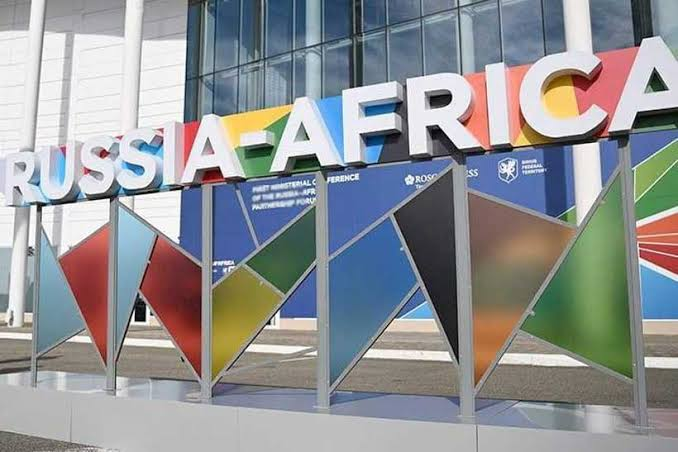
Russia’s engagement in Africa is increasingly defined by a mix of security partnerships, resource-backed deals and diplomatic outreach, but questions are mounting over how much African governments and citizens are gaining and what they are paying – for closer ties with Moscow.
Ahead of the third Russia-Africa Summit in Moscow at the end of October 2026, the Kremlin is seeking to consolidate dozens of bilateral agreements and shift from declarations to concrete cooperation in trade, investment, nuclear energy, food security, digitalisation and independent payment systems. Yet critics note that rhetoric and signed MoUs have so far produced limited tangible results on the ground.
In the Sahel, Russia’s model is increasingly transactional: personnel, airstrikes and equipment in exchange for resource access and basing rights, with few conditions attached to governance or human rights. This contrasts with continental diplomatic engagement, which carries no binding enforcement mechanism and therefore imposes little real cost on military juntas that have already exited ECOWAS and exposed themselves to limited international legal risk.
Moscow has supplied weapons, military instructors and Africa Corps personnel to Mali, Niger and Burkina Faso, giving it direct access to governments that have turned to Russia for security assistance as French and other Western forces withdrew. The Confederation of Sahel States is increasingly using a security-for-resources barter model to fight growing terrorism, cementing Moscow’s influence in the region.
Russian officials say bilateral trade with Africa reached $27 billion as of June 2026, but that still places Moscow well behind established competitors in a market opened up by the African Continental Free Trade Area to over 1.4 billion people. Russian Foreign Ministry spokesperson Maria Zakharova said a “substantial package” of intergovernmental documents and commercial contracts is planned for signing at the October summit, with a focus on economic matters.
Lavrov’s July 2026 tour – visiting the AU in Addis Ababa, the Sahel, southern Africa and Burundi – was groundwork for the summit and for a declaration of the 2027–29 AU Strategic Action Plan. Pledges cover food, fertiliser, mining, energy and health, but experts say the financial mechanism remains thin.
Russia has rejected allegations that African nationals are being deliberately deceived into participating in the war in Ukraine. At the same time, investigations and media reports have documented cases of Africans who travelled to Russia for employment or study and subsequently became involved in military activities.
Commentators argue that African governments should strengthen systems for providing information to citizens before they travel abroad for work or study, investigate complaints involving deceptive recruitment or unauthorised military involvement, and ensure recruitment programmes are transparent.
Analysts say African countries need clear policies for managing relationships with major international powers. They recommend bringing together scholars, journalists, experts and civil society to examine international agreements and cooperation programmes, and developing national frameworks for assessing the benefits and potential risks of external partnerships.
Trade agreements, scholarships, infrastructure projects and other programmes should have measurable objectives and regular assessments so governments can determine what problems a partnership has helped solve and whether expected benefits are reaching citizens. Accountability, transparency and citizen protection are framed as essential if Africa is to avoid paying a high political, economic and human cost for engagement with Russia and other global powers.
Africa Presents is a Pan-African digital magazine and monthly publication covering politics, business, economy, culture, tech, and the stories shaping Africa and its diaspora. Visit africapresents.com and follow @AfricaPresents for daily coverage and monthly themed magazine editions.




Leave a comment