

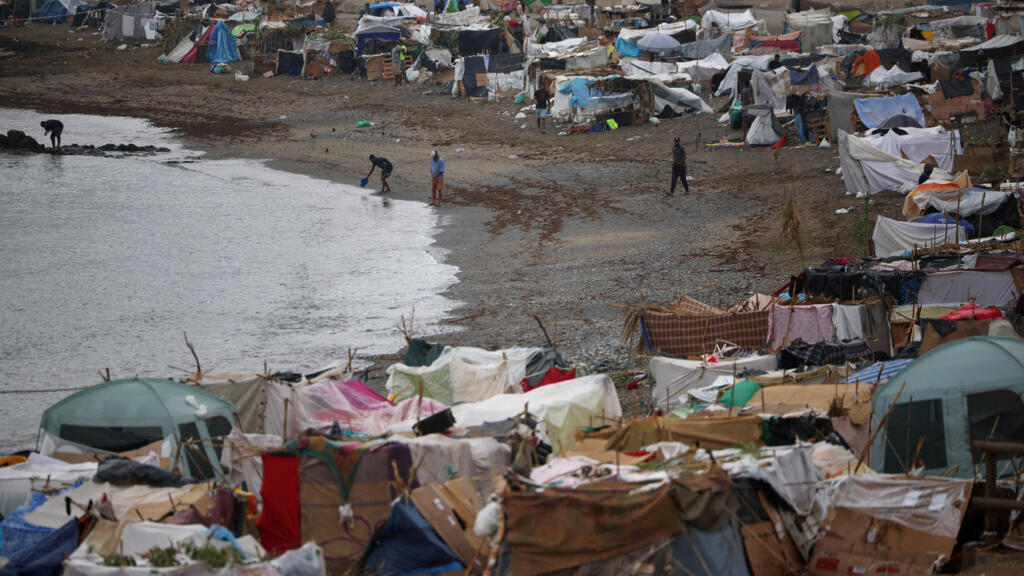
Morocco has firmly rejected accusations that it was involved in organising or facilitating the mass migrant crossing into Spain’s North African enclave of Ceuta in late July, insisting there is “no evidence” of Rabat’s involvement.
In a statement on Thursday, 10th of September, 2026, the Moroccan foreign ministry said there were “no facts or reports proving any involvement by the Moroccan authorities” in the incident, which saw more than 70,000 people surge across the border over two days, leaving dozens dead and triggering a political crisis in Spain and the EU.
Spanish Prime Minister Pedro Sánchez has also said Madrid has found no solid evidence that Moroccan authorities planned or orchestrated the crossing, despite a leaked police report in July alleging “total permissiveness” from Moroccan police during the peak of the crisis. Sánchez told parliament that no institution – not Spain’s diplomatic service, the European Commission or any international body – had provided the Spanish government with proof that Morocco planned or carried out the incident.
However, Sánchez acknowledged that for a 10-hour period on 30 July, when migrant arrivals peaked, Morocco’s Gendarmerie “allowed the border to be crossed” before later regaining control. He described this as a temporary breakdown in border control rather than evidence of deliberate orchestration.
Declassified documents released this week show that Spain’s intelligence service, the CNI, warned both Madrid and Rabat on the 29th of July about social media calls for a mass border exodus into Ceuta. A CNI assessment on the 30th July said it was “highly likely that the Moroccan authorities are not actively encouraging the migratory wave, but have so far acted in a negligent and passive manner”.
Spain has launched a criminal investigation into the influx, but officials say there is still “no conclusive evidence” that Rabat was responsible for the mass entry.
Rabat has repeatedly denied any permissiveness or coordination, blaming the crossing on traffickers, the misinterpretation of a Spanish court ruling that appeared to open a legal loophole for arrivals by sea, and the use of social media to spread information about a mass crossing. The foreign ministry questioned why accusations continue to be levelled against Morocco “when no evidence, facts, or reports establish any involvement on the part of Moroccan authorities”.
The incident has strained already delicate relations between Madrid and Rabat, with migration a recurring flashpoint. Both sides now face pressure to prevent a repeat while managing domestic and EU expectations over border security and migrant flows.
Africa Presents is a Pan-African digital magazine and monthly publication covering politics, business, economy, culture, tech, and the stories shaping Africa and its diaspora. Visit africapresents.com and follow @AfricaPresents for daily coverage and monthly themed magazine editions.







Leave a comment