

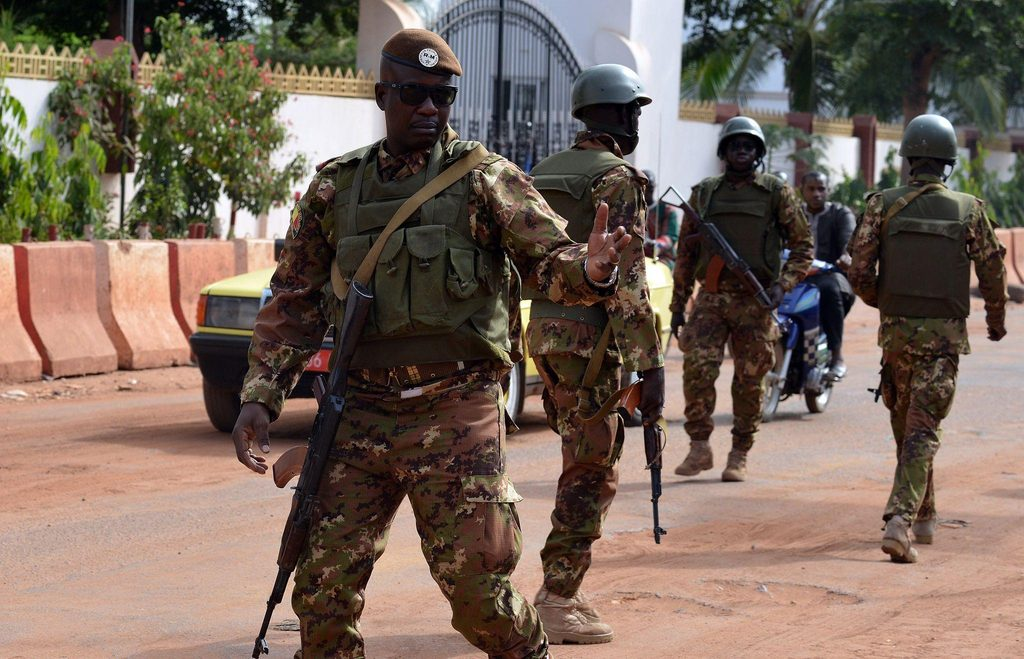
Generative artificial intelligence is becoming a new front in Mali’s information war, with all major factions in the country’s conflict using AI tools to amplify propaganda, deepen divisions and manipulate public opinion, according to a new study.
The report, Algorithms at War: How Generative AI Is Reshaping the Malian Conflict, published on Wednesday, 9th of September, 2026, by the Dakar-based Timbuktu Institute, describes Mali as an “open-air laboratory” for AI-assisted information warfare. Bakary Sambe, director of the institute, said generative AI is now a central feature of the propaganda battle between jihadists, separatists, Mali’s transitional authorities and their Russian partners.
The study finds that different actors are adopting AI at varying levels of sophistication. Jihadist group JNIM, linked to al-Qaeda, is using AI in a relatively basic way, producing AI-generated propaganda posters distributed through its media channels on Telegram and Signal. Separatist networks linked to the FLA (Front de libération de l’Azawad) are going further, with several TikTok accounts featuring AI-generated characters presented as real people broadcasting messages favourable to the group.
Mali’s transitional authorities and Russia’s Africa Corps, which succeeded the Wagner mercenary group, are deploying AI in a more systematic and professionalised manner. The Timbuktu Institute says they are using “state-level, professional and systemic adoption of generative AI”, including fake videos, anti-Western deepfakes and large-scale generation of social media comments. Researchers have counted 19 Russian disinformation campaigns across Mali, Burkina Faso and Niger since 2022, with AI now integrated into an already extensive operation.
According to the institute, AI is enabling “industrial-scale” production of disinformation, with some content reaching nearly 5 million views. These materials are used as a mechanism for political control and manipulation of information and opinion, diverting attention from the real security situation and distorting public understanding of events on the ground.
One example cited is AI-generated propaganda posters promoting real videos filmed during attacks on 25 April that killed Mali’s defence minister Sadio Camara and drove Malian forces and their Russia Corp partners out of Kidal in northern Mali. The study warns that such content is designed to amplify existing fault lines in Malian society, from ethnic tensions to distrust of foreign actors.
The Timbuktu Institute warns that Mali risks becoming a testing ground for AI-assisted information warfare, with techniques trialled there potentially exported to other conflict zones. Sambe said the country’s fragmented media environment, weak regulation and high levels of social media use make it particularly vulnerable to AI-driven manipulation.
The report calls for greater awareness, media literacy and regional cooperation to counter AI-fuelled disinformation, but notes that technical solutions alone will not be enough. Without stronger governance and accountability, Mali’s information war could become a blueprint for how AI is used to wage conflict in the digital age.
Africa Presents is a Pan-African digital magazine and monthly publication covering politics, business, economy, culture, tech, and the stories shaping Africa and its diaspora. Visit africapresents.com and follow @AfricaPresents for daily coverage and monthly themed magazine editions.






Leave a comment