

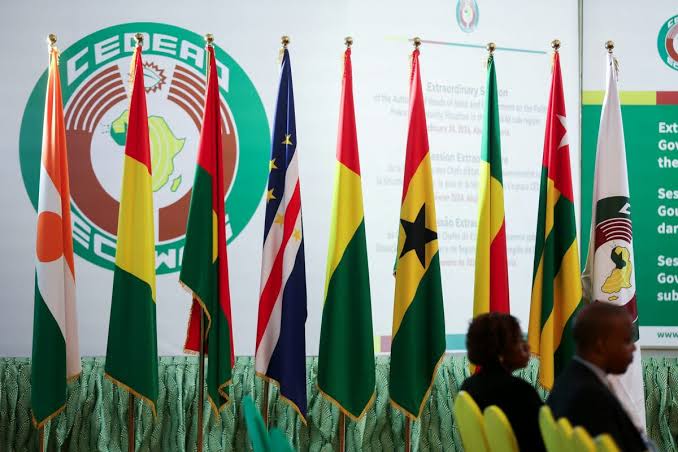
The ECOWAS Parliament has raised the alarm over the dominance of the informal sector in West Africa, warning that nearly 90% of economic activities and at least 60% of the region’s workforce remain outside the formal economy, a situation lawmakers said is undermining economic growth, job creation, and regional competitiveness.
The warning came at the opening of a Joint Committee meeting of the ECOWAS Parliament in Cotonou, Republic of Benin, where lawmakers, policy experts, private sector operators, and development partners began deliberations on strategies to integrate millions of informal businesses into the formal economy.
Hon. Alhagie Darbo, Co-Chairperson of the Joint Committee, said Micro SMEs (MSMEs) remain the backbone of West African economies but continue to face structural barriers that hinder their growth. “While this demonstrates the entrepreneurial spirit of our people, it also highlights the urgent need to create enabling policies that encourage formalisation, improve productivity and integrate MSMEs into regional and continental value chains,” he said, urging lawmakers to move beyond identifying challenges and focus on practical policy recommendations.
The parliament called for far-reaching policy reforms to formalise and strengthen MSMEs, describing the sector as central to achieving economic transformation, reducing poverty and addressing insecurity across the sub-region, with the objectives aligned with ECOWAS Vision 2050, the regional bloc’s long-term development agenda.
The broader macroeconomic context gives the Cotonou meeting added urgency. Average inflation in West Africa fell to 16.8% in 2025, a decline of nearly nine percentage points, and the public deficit narrowed from 3.7% of GDP in 2024 to 2.6% in 2025, driven by stronger revenue collection and tighter fiscal management. The macroeconomic fundamentals are improving. The structural foundations, beginning with the 90% of economic activity that exists outside the formal system, are not.
ECOWAS officials have stressed that without deliberate, gender‑responsive and youth‑friendly reforms, the promise of the African Continental Free Trade Area (AfCFTA) to drive inclusive and sustainable growth across West Africa may remain unrealised. Lawmakers are now urging member states to accelerate reforms to formalise informal trade, protect vulnerable traders and dismantle barriers to formal markets.
Africa Presents is a Pan-African digital magazine and monthly publication covering politics, business, economy, culture, tech, and the stories shaping Africa and its diaspora. Visit africapresents.com and follow @AfricaPresents for daily coverage and monthly themed magazine editions.






Leave a comment